
 FI
FI  EN
EN  DE
DE  NL
NL  IT
IT  FR
FR  ES
ES  PT
PT  DA
DA  SV
SV  CS
CS  EL
EL  HU
HU  ET
ET  BG
BG  PL
PL  JA
JA  KO
KO Viimeksi päivitetty: kesäkuu 2026
Australia is not one single cycling rulebook in practice. National product concepts, state road rules, local council paths, national parks, and shared-path etiquette can all affect your ride. That sounds complicated, but a tourist can keep it simple: use a legal rental e-bike, wear a helmet, ride on the left, obey bicycle signs, and slow down around pedestrians.
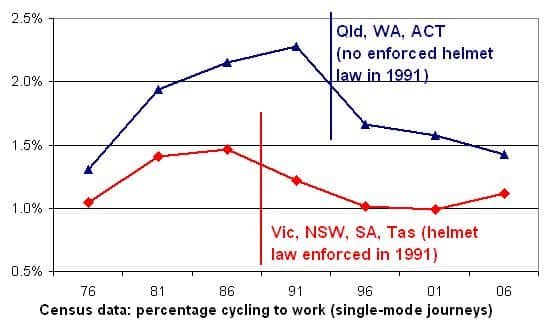
The biggest difference from many European countries is helmet use. In Australia, cycling helmets are not just a cultural suggestion. They are a normal legal expectation across the country.
Are Electric Bikes Legal in Australia?
Yes. Electric bikes are legal in Australia when they meet the relevant state and territory requirements. For tourists, the most practical standard is a compliant pedal-assist e-bike or EPAC that assists while pedaling and cuts assistance at 25 km/h.
Some Australian rules distinguish between lower-powered motor-assisted bicycles and pedalecs. Some states or enforcement materials may describe different wattage categories, and New South Wales has had updated discussion around higher assisted power. Because visitors are not usually buying or modifying bikes, the safer advice is to rent a road-legal e-bike from a local operator and avoid high-powered or derestricted models.
Do You Need a License or Registration?
For a compliant e-bike, tourists generally do not need a motorcycle license, vehicle registration, or compulsory motor insurance. The bike is ridden under bicycle-style rules.
That changes if the vehicle is too powerful, too fast, lacks working pedals, or behaves more like an electric motorcycle. If a rental or tour bike looks like a small motorbike, has a large throttle, or is advertised mainly by speed, ask the operator to confirm it is legal for public roads and shared paths.
Is a Helmet Mandatory?
Kyllä. Käytä kypärää pakollisena koko Australiassa. Hyvin istuva, hyväksytty pyöräilykypärä tulee pitää aina, olitpa sitten ajamassa rantapolulla, kaupungin kadulla, rautatiepolulla tai lyhyellä vuokrauslenkillä.
Tämä on yksi tärkeimmistä sähköpyöräilyn säännöistä Australiassa turisteille, koska Alankomaista, Saksasta tai Espanjasta tulevat vierailijat saattavat olla tottuneet rennompiin kypärävaatimuksiin. Australiassa ilman kypärää voi saada sakon ja, mikä tärkeämpää, vähemmän suojaa maassa, jossa ajoolosuhteet voivat sisältää kirkasta aurinkoa, nopeaa liikennettä, sorapientareita ja pitkiä matkoja.
Ovatko valot pakollisia?
Yöllä tai huonossa näkyvyydessä käytä valkoista etuvaloa, punaista takavaloa ja näkyviä heijastimia. Monissa osavaltioiden liikennesäännöissä vaaditaan myös kelloa tai varoituslaitetta.
Australian näkyvyysongelma ei ole vain pimeys. Häikäisy, sade, rannikon sumu ja puiden varjostamat tiet voivat vähentää kuljettajien tietoisuutta. Jos sähköpyörä on tarkoitettu retkeilyyn, tarkista, että valot ovat riittävän kirkkaat ennen kuin lähdet vuokrausalueelta.
Missä sinun pitäisi ajaa sähköpyörällä?
Aja vasemmalla, seuraa pyöräilyopasteita ja käytä pyöräkaistoja tai jaettuja polkuja, jos se on sallittua. Älä oleta, että jokainen jalkakäytävä, kansallispuiston polku, rantapolku tai maastopyöräreitti sallii sähköpyörät. Paikallisilla kylteillä on merkitystä.
Jaetuilla poluilla hidasta kävelijöiden, lasten, koirien ja juoksijoiden kohdalla. Käytä kelloasi ajoissa ja kohteliaasti. Australian jaetut polut yhdistävät usein työmatkalaisia, perheitä, turisteja ja virkistysajajia, joten nopeuskuri on tärkeämpää kuin moottorin teho.
Voitko käyttää puhelinta ajon aikana?
Älä pidä tai käytä puhelinta ajon aikana. Käytä kiinnitettyä navigointilaitetta, ääniohjeita matalalla äänenvoimakkuudella tai pysähdy turvallisesti ennen kartan tarkistamista. Puhelinsääntöjä valvotaan tiukasti tienkäyttäjille Australiassa, ja hajamielinen ajaminen voi olla vaarallista teillä, joilla sekoittuvat autot, bussit, skootterit ja pyörät.
Pitkillä rannikkoajeluilla tai alueellisilla reiteillä lataa kartat ennen kaupungista lähtemistä. Matkapuhelinverkko voi olla epätasaista suurten kaupunkialueiden ulkopuolella.
Voitko kuljettaa matkustajaa?
Only carry a passenger if the e-bike is designed and equipped for it. Children need proper seats, trailers, or cargo-bike equipment. Do not carry someone on a rear rack or handlebars.
This matters on holiday because families often rent bikes near beaches or parks. A cargo e-bike or child trailer is the right solution if you need to carry a child or extra luggage.
Can You Drink and Ride?
Do not ride under the influence of alcohol or drugs. Australian police treat road safety seriously, and impaired cycling can create legal and injury risk even if the bike is not a car.
Tourists should be especially careful around wineries, breweries, beach bars, and evening rides back from restaurants. Use public transport, rideshare, or a walking route if alcohol is part of the plan.
Entä polut, puistot ja rannat?
Säännöt voivat vaihdella osavaltion, kunnan ja maanomistajan mukaan. Kaupungin pyörätie voi sallia sähköpyörät, kun taas läheinen kävelyreitti ei. Rautatiepolku voi sallia polkupyörät, joissa on polkuavustin, kun taas kansallispuiston reitti voi rajoittaa moottoriavusteista pääsyä.
Ennen pidempää matkaa tarkista reittisivu tai kysy vuokraamosta. Tämä on erityisen tärkeää maastopyöräreiteillä ja suojelluilla luonnonalueilla.
Mitä turistien tulisi tarkistaa ennen vuokrausta?
Kysy nämä kysymykset ennen maksamista:
- Onko tämä sähköpyörä laillinen teille ja yhteisille poluille tässä osavaltiossa?
- Katkeaako moottorin avustus 25 km/h nopeudessa?
- Sisältyykö kypärä ja onko se asianmukaisesti sovitettu?
- Onko valot ja kello asennettu?
- Onko olemassa paikallisia reittejä tai polkuja, joilla sähköpyörät eivät ole sallittuja?
Jos liike antaa epämääräisiä vastauksia, valitse toinen vuokraaja. Hyvä toimija tuntee paikalliset säännöt.
Johtopäätös: Sähköpyöräily Australiassa luottavaisesti
Sähköpyöräilyn säännöt Australiassa ovat hallittavissa, jos kunnioitat perusasioita: laillinen pyörä, kypärä, vasemmanpuoleinen ajo, valot, paikalliset merkit ja yhteisten polkujen huomaavaisuus. Australia on suuri maa, joten yksityiskohdat voivat vaihdella Queenslandin, Uuden Etelä-Walesin, Victorian, Länsi-Australian ja muiden alueiden välillä.
Turisteille: älä tavoittele tehoa. Valitse sääntöjenmukainen vuokra-sähköpyörä, joka sopii reitille, ja kysy paikallisesta liikkeestä polkujen käyttöoikeuksista. Lopputuloksena on paljon helpompi ja turvallisempi ajo.
Usein kysytyt kysymykset
K1: Ovatko sähköpyörät laillisia Australiassa?
Kyllä. Vaatimustenmukaiset sähköpyörät ovat laillisia, mutta säännöt ja käyttöoikeudet voivat vaihdella osavaltion ja paikallisen alueen mukaan.
K2: Pitääkö minun käyttää kypärää sähköpyörällä Australiassa?
Kyllä. Turistien tulisi pitää kypärän käyttöä pakollisena jokaisella ajokerralla.
K3: Mihin nopeuteen australialainen sähköpyörä voi avustaa?
Tavallisissa vaatimustenmukaisissa polkua avustavissa sähköpyörissä moottorin avustuksen tulisi katketa 25 km/h:ssa.
K4: Voivatko sähköpyörät käyttää yhteiskäyttöisiä polkuja Australiassa?
Usein kyllä, mutta paikalliset merkit ja osavaltion säännöt ovat tärkeitä. Hidasta ja väistä jalankulkijoita.
K5: Voinko ajaa tehokkaalla sähköpyörällä Australiassa?
Tehokkaat tai rajoitukset poistetut pyörät eivät välttämättä ole laillisia polkupyörinä yleisillä teillä tai yhteiskäyttöisillä poluilla. Vuokraa vaatimustenmukainen paikallinen malli.
Lähteet
- Queenslandin hallitus, "Sähköpyöräsäännöt": https://www.qld.gov.au/transport/safety/rules/wheeled-devices/electric-bicycle-rules
- NSW Police, "Sähköpyörän ymmärtäminen": https://www.police.nsw.gov.au/__data/assets/pdf_file/0011/908183/Asset_883945_-_Factsheet_-_Motorised_Bicycles.pdf
- Länsi-Australian tieliikenneturvallisuuskomissio, "Säännöt sähköpyörällä ajamiseen": https://www.wa.gov.au/system/files/2025-12/road_safety_commission_ebike_rules.pdf
- Viiterakenne tarkistettu: Aitour Ebikes, "Pyöräily Alankomaissa: olennaiset säännöt ja vinkit turisteille": https://www.aitourebikes.com/blogs/aitour-blogs/cycling-in-the-netherlands-essential-rules-and-tips-for-tourists