
 FI
FI  EN
EN  DE
DE  NL
NL  IT
IT  FR
FR  ES
ES  PT
PT  DA
DA  SV
SV  CS
CS  EL
EL  HU
HU  ET
ET  BG
BG  PL
PL  JA
JA  KO
KO If you’re a parent looking to ditch the school run traffic and the school run itself, the best cargo bikes for families in 2026 combine electric assist, certified child seats, and enough payload for two or three kids plus groceries. The market has matured to the point where you can choose from budget-friendly long-tails like the RadWagon 4 at around $2,500, or premium front-loaders like the Riese & Müller Load 75 at over $7,000, each with specific strengths for family life. This guide breaks down the top models, safety must-haves, and the real costs so you can decide which configuration suits your household.
Why Families Are Switching to Cargo Bikes
Families are increasingly replacing car trips with cargo bikes for school runs, errands, and weekend outings. The financial case is compelling: a typical family can save $2,000–$4,000 per year on fuel, parking, and maintenance by swapping a second car for an e-cargo bike. Environmentally, a cargo bike emits zero tailpipe emissions, and for short urban trips, it’s often faster than driving due to bike lanes and no parking hassle. Beyond the practicalities, kids love the open-air experience, and parents get daily exercise without needing a separate gym session.
This isn’t just about buying a bike; it’s about changing how your family moves. Many parents report that the cargo bike becomes their primary vehicle for anything within a 5–10 km radius. For a deeper dive into the financial and lifestyle benefits, see our analysis of whether an electric cargo bike is worth it.
Types of Cargo Bikes for Families: Long-Tail vs. Front-Loader
The two dominant configurations for family use are long-tail bikes and front-loader (also called long-john or box bikes). Each has distinct trade-offs in stability, capacity, storage, and riding feel.
Long-Tail Cargo Bikes: The Versatile Choice
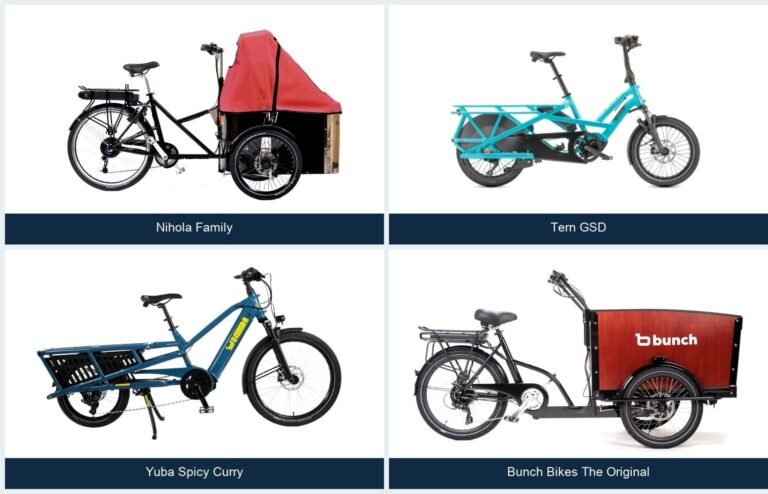
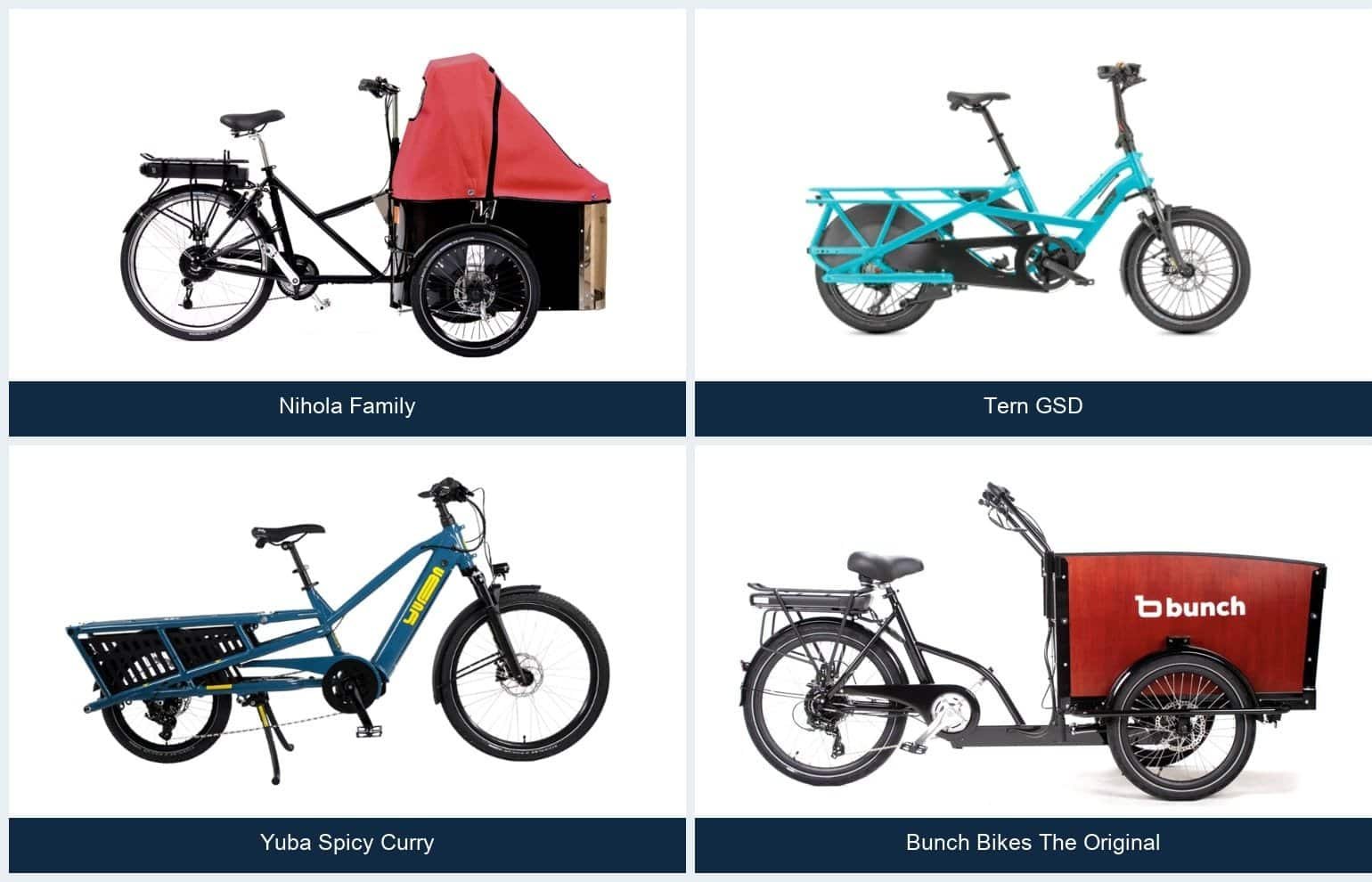
Long-tails extend the rear rack to carry children on padded benches or in seats. They ride much like a regular bike, making them easier to handle for beginners. Their length is similar to a standard bike, so they fit in most bike racks and can be stored in a shed or garage with ease. Popular models like the Tern GSD and RadWagon 4 fall into this category.
Front-Loader Cargo Bikes: Maximum Capacity and Comfort
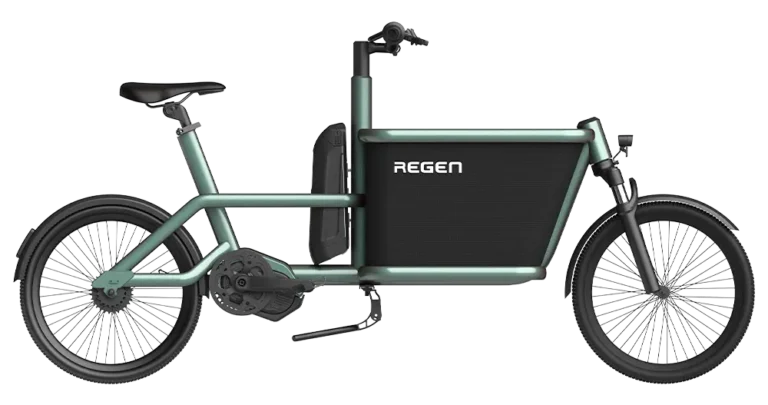
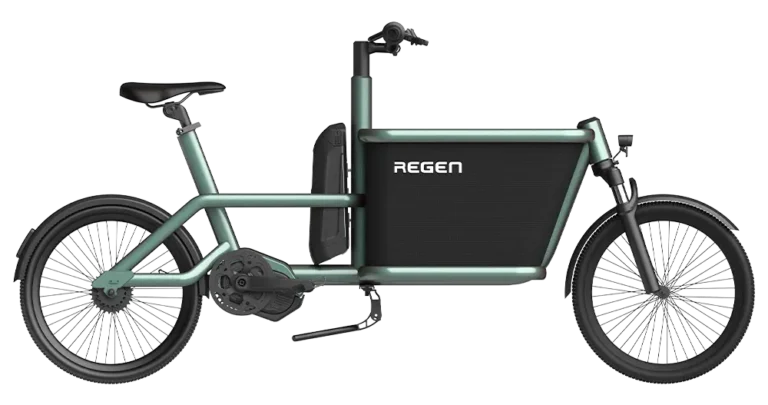
Front-loaders have a box or bucket in front of the handlebars where kids sit facing each other or forward. This design offers better weather protection (with optional rain covers) and a lower center of gravity, which improves stability when carrying heavy loads. However, they are longer and heavier, making them harder to park and maneuver in tight spaces. They also require more space for storage.
Comparison Chart: Long-Tail vs. Front-Loader
| Aspect | Long-Tail | Front-Loader |
|---|---|---|
| Vakaus | Good, but higher center of gravity | Excellent, low center of gravity |
| Capacity | 2–3 kids (up to 150–200 kg) | Up to 4 kids (up to 250 kg) |
| Storage footprint | Similar to regular bike | Longer, needs more space |
| Riding feel | Like a standard bike | Unique steering, takes practice |
| Weather protection | Limited, add-ons available | Excellent with rain cover |
| Price range | $2,000–$6,000 | $3,500–$8,000+ |
| Paras | Urban commuting, easy storage | Large families, all-weather riding |
For a more detailed comparison of these configurations, check out our guide to long-john vs. front-loader cargo bikes.
Top 7 Best Cargo Bikes for Families in 2026
Based on current market analysis, these seven models stand out for family use in 2026. Prices are indicative and may vary by region and dealer.
| Malli | Tyyppi | Price (approx.) | Max Payload | Moottori | Akun käyttöalue | Key Family Features |
|---|---|---|---|---|---|---|
| RadWagon 4 | Long-tail | $2,500 | 180 kg | 750W | 45–70 km | Budget-friendly, adjustable seats |
| Tern GSD S10 | Long-tail | $4,500 | 200 kg | Bosch Performance Line | 50–90 km | Compact, dual battery option |
| Riese & Müller Load 75 | Front-loader | $7,200 | 250 kg | Boschin tavaralinja | 60–100 km | Premium suspension, dual batteries |
| Urban Arrow perhe | Front-loader | $6,500 | 220 kg | Boschin tavaralinja | 50–80 km | Iconic Dutch design, rain cover |
| Specialized Turbo Tero X 5.0 | Long-tail | $5,500 | 170 kg | Specialized 2.2 | 60–90 km | Off-road capable, suspension fork |
| Aventon Abound | Long-tail | $2,200 | 150 kg | 500W | 40–65 km | Value pick, torque sensor |
| Yuba mausteinen curry | Long-tail | $4,000 | 200 kg | Bosch Performance | 50–80 km | Family-focused, many accessories |
RadWagon 4: The Budget-Friendly Workhorse
The RadWagon 4 has been a staple for families since its launch, offering a 750W motor and 180 kg payload at a price that undercuts most competitors. Its 22-inch wheels lower the center of gravity, improving stability with kids on board. The rear rack is long enough for two child seats, and Rad offers a range of accessories including caboose and bench seats. However, the motor is less refined than Bosch systems, and the battery range is modest, so it’s best for shorter trips.
Tern GSD S10: The Compact Powerhouse
The Tern GSD S10 is a marvel of engineering, fitting a 200 kg payload into a frame that can be shortened to fit in a car boot. Its Bosch Performance Line motor provides smooth, powerful assist, and the dual-battery option doubles your range for long outings. The GSD comes with integrated seat belts and a low stand-over height, making it easy for parents to mount. It’s pricier than the RadWagon but offers superior build quality and resale value.
Riese & Müller Load 75: The Premium All-Rounder
If budget is no object, the Riese & Müller Load 75 is the gold standard for family cargo bikes. Its front-loading design with full suspension (including a rear shock) delivers a plush ride even on rough roads. The 250 kg payload can accommodate three kids plus groceries, and the dual-battery setup (optional) provides up to 100 km of range. The Load 75 also features a unique “cargo line” motor that offers high torque at low speeds, perfect for starting from a standstill with a full load.
Urban Arrow Family: The Classic Front-Loader
The Urban Arrow Family is the bike you see in Amsterdam, beloved for its spacious box that fits two kids facing each other, with a bench and seat belts. Its Bosch Cargo Line motor and 220 kg payload make it ideal for daily school runs. The rain cover is an integral option, turning it into a mobile pram in wet weather. It’s not cheap, but it’s a proven design with a huge accessory ecosystem.
Specialized Turbo Tero X 5.0: The Off-Road Option
For families who want to venture beyond tarmac, the Specialized Turbo Tero X 5.0 is a long-tail with a suspension fork and 170 kg payload. Its motor is tuned for climbing, and the battery range is solid. The Tero X is less family-oriented out of the box, but with the right accessories (child seats, pegs), it can handle two kids. It’s a good choice if you also want to ride solo or on trails.
Aventon Abound: The Value Pick
The Aventon Abound is a newcomer that has shaken up the budget segment. With a 500W motor, torque sensor, and 150 kg payload, it offers a smooth ride at a price under $2,500. It lacks some of the refinement of pricier models, but for families on a tight budget, it’s a solid entry point. The Abound has a lower weight capacity, so it’s best for one or two smaller kids.
Yuba Spicy Curry: The Family-Focused Long-Tail
Yuba has been making family cargo bikes for years, and the Spicy Curry is their flagship. It features a Bosch Performance motor, 200 kg payload, and a versatile rear deck that can be configured with benches, seats, and even a second rider. Yuba’s accessories are extensive, including a “bunch” basket for groceries. The Spicy Curry is a bit longer than the GSD, but it’s a proven workhorse.
For a broader look at the best cargo bikes of 2026, including non-family models, see our professional buyer’s guide.
Key Safety Features for Carrying Kids
Safety is non-negotiable when carrying children. Here are the critical features to look for:
Integrated Seat Belts and Roll-Over Protection
Front-loaders often come with integrated seat belts and a roll-over bar that protects kids in a tip-over. Long-tails should have seat belts for each child seat, and some models like the Tern GSD offer a “caboose” that acts as a roll-over bar. Always ensure belts are properly adjusted.
Stability and Handling with Kids
A low center of gravity is crucial. Long-tails with smaller wheels (like the RadWagon) are more stable, while front-loaders inherently have a low stance. Test ride with kids on board to feel how the bike handles turns and stops.
Braking Systems for Heavy Loads
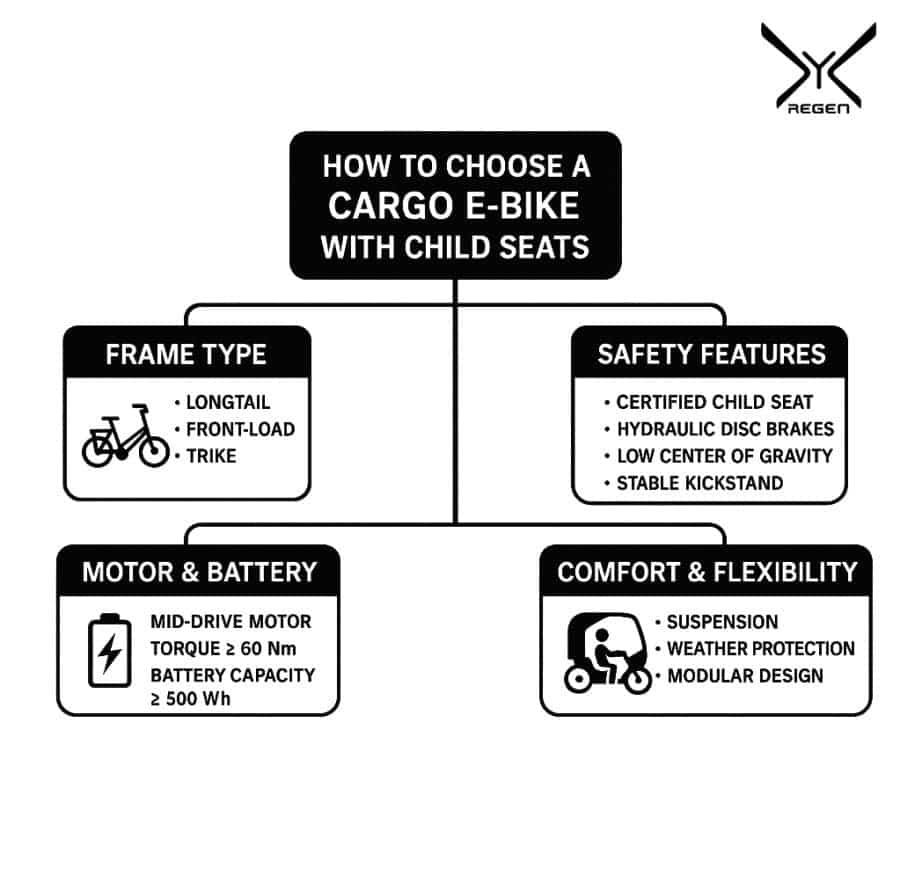
Hydraulic disc brakes are essential for cargo bikes, as they offer consistent stopping power even with 100+ kg on board. Avoid rim brakes, which wear quickly and lose effectiveness in wet conditions. Look for models with 203mm rotors or larger.
Motor and Battery Considerations for Family Loads
Electric assist is not a luxury; it’s a necessity for family cargo bikes. The motor should have high torque (at least 60 Nm) to accelerate from stops and climb hills with a full load. Battery range is also critical—aim for at least 50 km of real-world range, as carrying kids reduces efficiency. Some models offer dual batteries for extended range.
For more on safely seating kids, read our complete guide to seating a kid on a cargo e-bike.
Essential Accessories for Family Cargo Bikes
Beyond the bike itself, you’ll need accessories to make family rides safe and comfortable:
- Child seats: Certified seats that attach to the rear rack or in the front box. Ensure they meet local safety standards (e.g., EN 14344 in Europe).
- Footrests and handholds: For older kids, footrests and grab handles provide stability and comfort.
- Rain cover: Essential for front-loaders to keep kids dry in rain and wind. Some are integrated, others are add-ons.
- High-quality locks: Cargo bikes are expensive, so invest in a heavy-duty U-lock and chain. Consider GPS tracking for extra security.
- Helmets: Kids should wear helmets that fit properly. Some cargo bikes have helmet hooks for storage.
- Lights: Ensure front and rear lights are bright and visible, especially in winter.
Cost Considerations: Buying, Maintaining, and Saving
The initial cost of a family cargo bike is significant, but the long-term savings can offset it. Here’s a breakdown:
| Cost Item | Typical Annual Cost (Car) | Typical Annual Cost (Cargo Bike) |
|---|---|---|
| Fuel | $1,200–$2,000 | $0–$50 (electricity) |
| Vakuutus | $800–$1,500 | $100–$200 (optional) |
| Huolto | $500–$1,000 | $200–$300 |
| Parking | $500–$1,500 | $0 |
| Depreciation | $3,000–$5,000 | $500–$1,000 |
Over five years, a cargo bike can save you $10,000–$20,000 compared to a second car. However, maintenance is not zero—tires, chains, and brake pads wear faster with heavy loads. Most manufacturers offer a 2–5 year warranty on the frame and motor, but batteries typically have a 2-year warranty.
How to Test Ride and Fit a Family Cargo Bike
Test riding is crucial, especially with kids. Here’s a checklist:
- Bring your kids and any accessories to simulate real weight.
- Test on varied terrain: hills, turns, and a busy street to assess handling.
- Check stability at low speeds: Practice starting and stopping with the load.
- Ensure proper fit for the rider: The handlebars should be at a comfortable height, and you should be able to stand over the frame with clearance.
- Adjust for kids: Ensure seats are secure and footrests are at the right height.
- Ask about extended test rides: Some dealers offer 24-hour or weekend trials.
Fit is personal, so don’t rush. A well-fitted cargo bike feels stable and intuitive; a poor fit can be dangerous.
Legal and Regulatory Considerations for Carrying Kids
Regulations vary by country and even state. Key points:
- Age limits: Many places require children to be at least 1 year old to ride on a cargo bike, and some have specific seat requirements.
- Helmet laws: Helmets are mandatory in some regions (e.g., Australia, parts of the US) and recommended everywhere.
- E-bike classes: In the US, Class 1 and 2 e-bikes (max 20 mph) are generally allowed on bike paths; Class 3 (up to 28 mph) may have restrictions. Check your local rules.
- Insurance and registration: Some European countries require e-bike insurance and registration for higher-powered models. In the US, it’s rarely required.
For detailed rules, see our guides on US e-bike rules ja German e-bike rules.
Real-World Tips: School Runs, Errands, and Family Outings
Integrating a cargo bike into daily life takes planning but pays off:
- School runs: Choose a bike with a kickstand that’s easy to park. Practice loading and unloading kids quickly.
- Errands: Use panniers or a front basket for groceries. Many cargo bikes have a 50–100 kg cargo capacity, so a weekly shop is feasible.
- Weekend adventures: Plan routes with bike paths and consider a trailer for extra gear. Some cargo bikes can tow trailers, expanding capacity.
- Pysäköinti: Invest in a sturdy lock and consider a ground anchor at home. Many cities have cargo bike racks.
Storage is often the biggest challenge. If you don’t have a garage, consider a weatherproof cover or a compact long-tail that fits indoors.
Frequently Asked Questions about Family Cargo Bikes
How many kids can a cargo bike carry?
Most long-tail cargo bikes can carry 2–3 children, while front-loaders can often accommodate up to 3–4 kids depending on the model and weight limits. Always check the manufacturer’s maximum payload and ensure you stay within it.
Are cargo bikes safe for children?
Yes, when used correctly with proper safety features like seat belts, roll-over protection, and a low center of gravity. Always use certified child seats, ensure the bike is well-maintained, and follow local age and helmet laws.
What is the best cargo bike for a family of four?
Front-loaders like the Urban Arrow Family or Riese & Müller Load 75 are ideal for larger families due to their higher capacity and comfort. If you prefer a long-tail, the Tern GSD or Yuba Spicy Curry can also carry two kids plus cargo.
Do I need a license to ride a cargo bike?
In most countries, no license is required for pedal-assist cargo bikes that meet Class 1 or 2 standards (max 20 mph). However, some regions require registration or insurance for higher-speed e-bikes. Check local regulations.
Can I use a cargo bike in winter?
Yes, with proper preparation. Use studded tires for ice, dress kids warmly in weatherproof gear, and consider a rain cover for protection. Regularly clean the bike to prevent salt corrosion, and store it indoors when possible.
Johtopäätös
Choosing the best cargo bike for your family comes down to your budget, the number of kids, and where you’ll store it. For most urban families, a long-tail like the Tern GSD or RadWagon offers the best balance of cost, ease, and practicality. If you have three or more kids or live in a rainy climate, a front-loader such as the Urban Arrow Family is worth the investment. Whatever you choose, prioritize safety features, test ride with your kids, and factor in the long-term savings. With the right cargo bike, you can replace many car trips, save money, and make daily life more enjoyable.