
 DA
DA  EN
EN  DE
DE  NL
NL  IT
IT  FR
FR  ES
ES  PT
PT  SV
SV  FI
FI  CS
CS  EL
EL  HU
HU  ET
ET  BG
BG  PL
PL  JA
JA  KO
KO Last Updated: June 2026
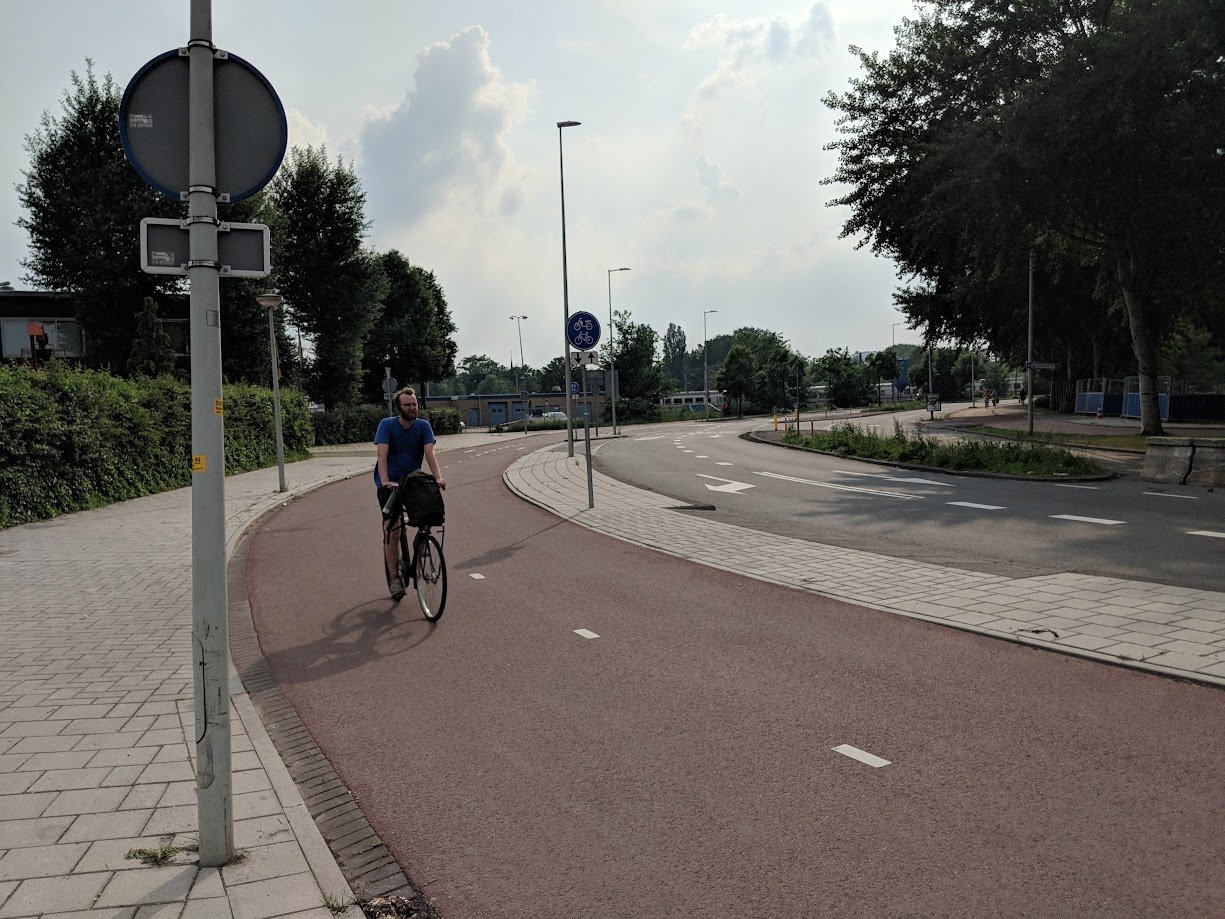
Holland er et af de nemmeste lande i verden at udforske på e-cykel, men det er også et af de mindst tilgivende steder for tøvende cyklister. Hollandske ryttere bevæger sig hurtigt, cykelstier er travle, og lokal etikette betyder næsten lige så meget som skreven lov.
For turister er det bedste valg en normal pedalkraft-e-cykel, ikke en speed pedelec. En standard e-cykel passer til det hollandske cykelnetværk. En speed pedelec tilhører en mere reguleret knallertlignende kategori.
Er elcykler lovlige i Holland?
Ja. En normal e-cykel er lovlig, når den har pedalkraft op til 25 km/t og en motor med en maksimal effekt på 250W. Motoren skal assistere under pedaling og skal stoppe med at assistere, når grænsen er nået.
Den hollandske regering skelner specifikt mellem normale e-cykler, elektriske lastcykler og fatbikes, der holder sig inden for 25 km/t- og 250W-rammen, og køretøjer, der overskrider den. Hvis cyklen er hurtigere eller mere kraftfuld, kan den kræve godkendelse som knallert, let knallert eller speed pedelec.
Hvad er en speed pedelec?
En speed pedelec er en højhastigheds-e-cykel, der kan assistere op til 45 km/t. I Holland behandles en speed pedelec ikke som en normal cykel. Den er generelt klassificeret med knallertlignende forpligtelser.
Det betyder, at en speed pedelec kan kræve hjelm, nummerplade, forsikring og forskellige regler for vejposition. Turister bør undgå at leje en, medmindre de specifikt forstår kravene og har de rigtige dokumenter.
Skal du bære en hjelm?
For en normal 25 km/t e-cykel er hjelme generelt ikke obligatoriske i Holland. For speed pedelecs er hjelme obligatoriske.
Selvom mange hollandske ryttere ikke bærer hjelme til daglig cykling, kan turister stadig ønske en. Besøgende kører ofte på ukendte ruter, bevæger sig langsommere end lokale og kigger på skilte, kanaler, sporvogne, fodgængere og navigation mere end erfarne hollandske pendlere gør.
Er cykellygter påkrævet?
Ja. Om natten eller i dårlig sigtbarhed skal du have et hvidt eller gult forlygte og et rødt baglygte. Reflekser betyder også noget. Hollandske politi kan bøde ryttere for manglende eller forkerte lygter.
Dette er en almindelig turistfejl. Et sent museumsbesøg, en regnfuld kanaltur eller en aftenmiddag kan forvandle en dagleje til en nattetur. Tjek lygterne, før du forlader udlejningsbutikken.
Kan du bruge din telefon, mens du cykler?
Nej, hold ikke en telefon, mens du cykler i Holland. Telefonbrug under kørsel er ulovligt og kan resultere i en bøde. Brug en styrholder, enøret lydnavigation ved lav volumen, eller stop sikkert, før du tjekker kortet.
Denne regel er især vigtig i Amsterdam og andre travle byer. Hollandske cykelstier bevæger sig som trafikbaner. At stoppe pludseligt for at tjekke en telefon kan forårsage konflikt med ryttere bag dig.
Hvor skal du køre?
Brug cykelstien eller cykelbanen, når en er tilgængelig. Hollands cykelinfrastruktur er omfattende, men det er ikke tilfældigt fortovsplads. Kør ikke på fodgængerfortove. Driv ikke ind i sporvognsspor, busbaner eller gågader, medmindre skilte tillader cykling.
Hold til højre, overhør forsigtigt, og signalér sving. Lokale kan køre hurtigere, end du forventer. Hvis du vil kigge på en kanal, bro eller bygning, så træk over først.
Hvem har fortrinsret?
Følg trafikskilte, lys, vigepligtsmarkeringer og vejafmærkninger. Hollandske "hajtænder"-markeringer betyder, at du skal give pligt, når trekanterne peger mod dig. Fodgængere har fortrinsret ved overgange, hvor reglerne kræver det, og cyklister skal stoppe ved rødt lys.
Turister antager nogle gange, at cykler altid har fortrinsret i Holland. Det har de ikke. Det hollandske system fungerer, fordi ryttere følger skilte og forudsigelig baneadfærd.
Kan du bære en passager?
Kun hvis cyklen er bygget til det. Børn har brug for passende sæder eller lastcykelsæder. Voksne bør ikke køre på en standard bagagebærer. Lastcykler er almindelige i Holland, men de er designet til specifikke passager- og lastbelastninger.
Hvis du rejser med børn, så lej en ordentlig familie-lastcykel fra en velrenommeret butik og øv dig, før du kører ind på en travl rute.
Kan du køre efter at have drukket?
Kør ikke på cykel under påvirkning af alkohol eller stoffer. Holland har en afslappet social kultur, men cykling er stadig trafik. Hvis du har drukket, så gå, tag offentlig transport eller brug en taxa.
Dette betyder noget, fordi hollandske nattelivsområder også er tunge cykelområder. Cykelstien kan se sikrere ud end vejen, men påvirket kørsel kan stadig forårsage ulykker.
Hvordan skal du parkere en e-cykel?
Parkér kun, hvor cykler er tilladt. Brug stativer, stationer eller markerede parkeringszoner, især i Amsterdam, Utrecht, Rotterdam og togstationsområder. Forkert parkerede cykler kan fjernes.
Lås rammen og hjulet, og spørg udlejningsbutikken, om du skal fjerne batteriet. Hollandsk cykeltyveri er almindeligt nok til, at en tilfældig kabellås ikke er nok til længere stop.
Konklusion: Kør på e-cykel i Holland med selvtillid
E-cykelregler i Holland er enkle, hvis du bruger en normal 25 km/t, 250W pedalkraft-cykel og kører forudsigeligt. Det svære for turister er ikke loven; det er tempoet i den lokale cykelkultur.
Brug lygter, hold dig i den rigtige bane, brug ikke din telefon, forstå hajtænder, parkér korrekt, og undgå speed pedelecs, medmindre du kender reglerne. Gør det, og Holland bliver en af de bedste e-cykelrejseoplevelser i verden.
OFTE STILLEDE SPØRGSMÅL
Q1: Er e-cykler lovlige i Holland?
Ja. Normale pedalkraft-e-cykler er lovlige, når assistance er begrænset til 25 km/t, og motoreffekt er begrænset til 250W.
Q2: Har jeg brug for en hjelm på en hollandsk e-cykel?
Ikke generelt for en normal e-cykel, men hjelme er obligatoriske for speed pedelecs.
Q3: Kan turister bruge telefoner, mens de cykler i Holland?
Nej. At holde en telefon, mens du cykler, er ulovligt. Brug en holder eller stop sikkert.
Q4: Er speed pedelecs tilladt på cykelstier?
De følger andre regler end normale cykler og er måske ikke tilladt på alle cykelstier. Tjek den specifikke rute og lovkrav.
Q5: Er parkering af cykler streng i Holland?
Ja. Parkér på anviste områder, især nær togstationer og bycentre, ellers kan cyklen blive fjernet.
Kilder
- Rijksoverheid, "Welke regels gelden voor mijn elektrische fiets?": https://www.rijksoverheid.nl/onderwerpen/fiets/vraag-en-antwoord/welke-regels-gelden-voor-mijn-elektrische-fiets-e-bike
- RDW, "Elektrische fiets of speed pedelec": https://www.rdw.nl/kopen-of-verkopen/elektrische-fiets-of-speed-pedelec
- Government.nl, "Safe cycling": https://www.government.nl/topics/bicycles/safe-cycling
- Referencestruktur gennemgået: Aitour Ebikes, "Cykling i Holland: Væsentlige regler og tips til turister": https://www.aitourebikes.com/blogs/aitour-blogs/cycling-in-the-netherlands-essential-rules-and-tips-for-tourists