
 DA
DA  EN
EN  DE
DE  NL
NL  IT
IT  FR
FR  ES
ES  PT
PT  SV
SV  FI
FI  CS
CS  EL
EL  HU
HU  ET
ET  BG
BG  PL
PL  JA
JA  KO
KO Sidst opdateret: juli 2026
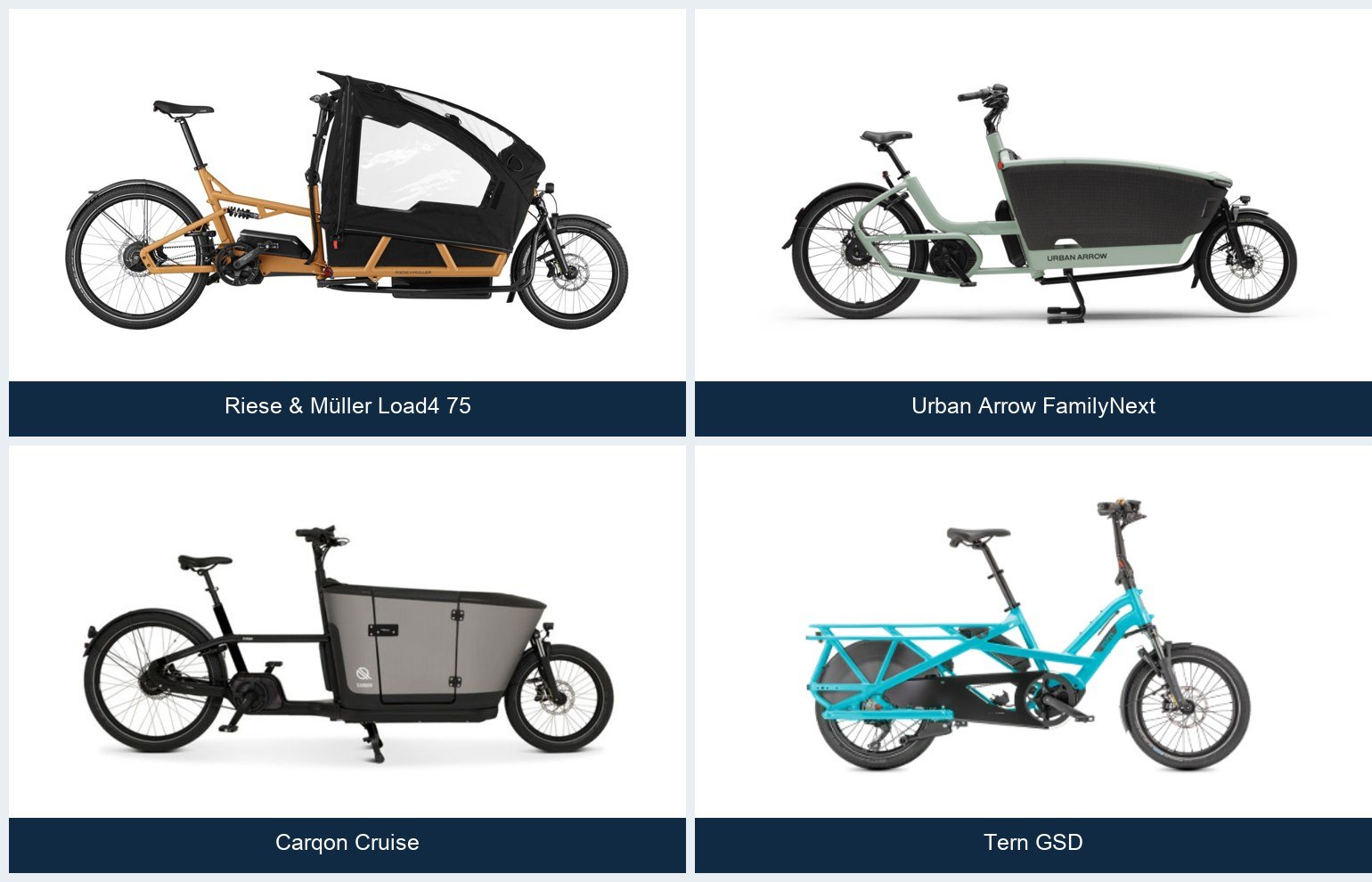
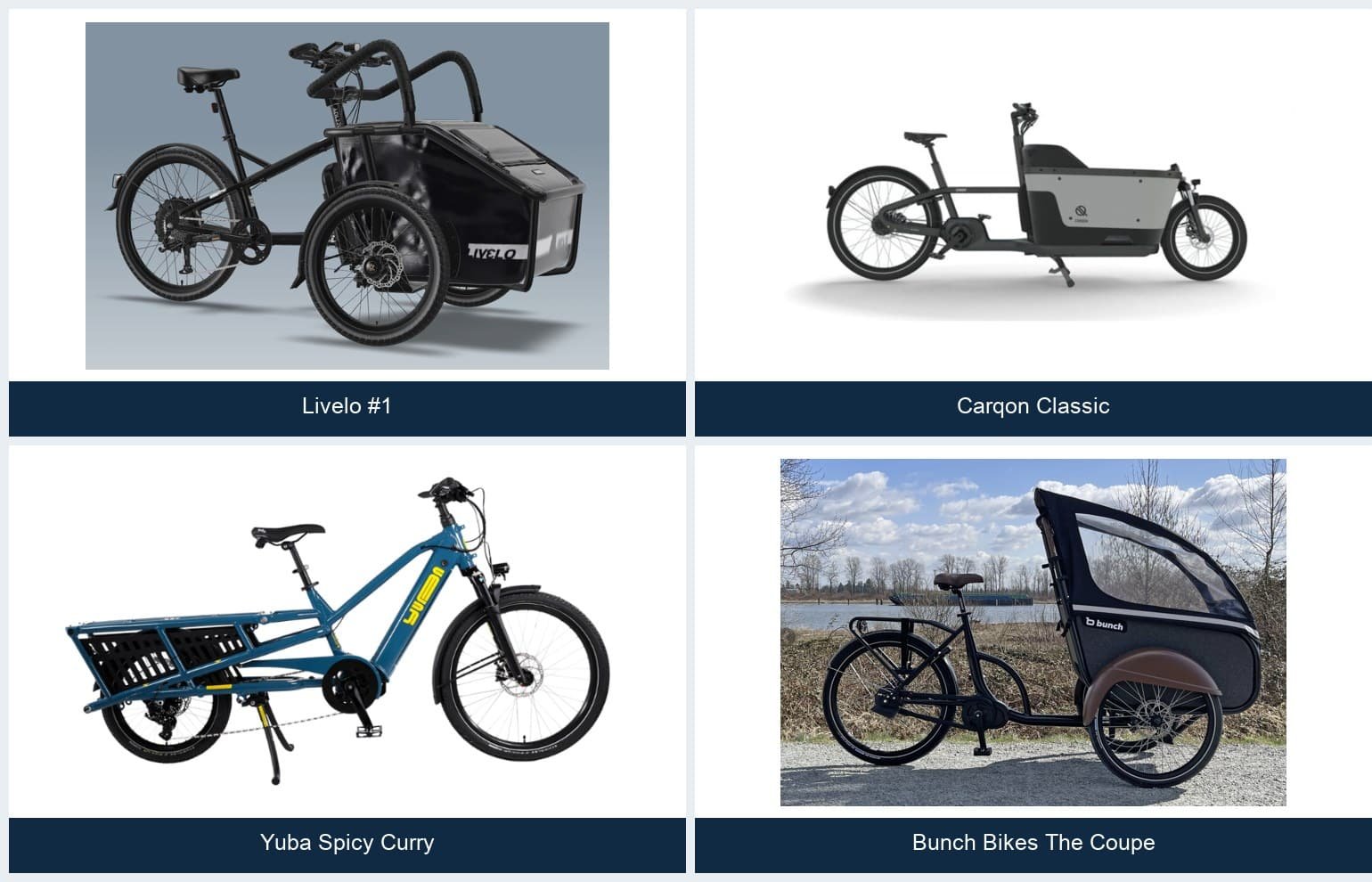
De stærkeste lastcykler i 2026 tjener klart definerede formål. Hvis kategorien er ny for dit indkøbsteam, så start med hvad en lastcykel er, og hvordan den adskiller sig fra en standardcykel. Urban Arrow FamilyNext og Riese & Müller Load4 75 er modne frontlæsserreferencer; Tern GSD og Yuba Spicy Curry viser, hvad en kompakt longtail kan; Winther Kangaroo Luxe og Bunch Bikes demonstrerer passagerkapaciteten på trehjulede platforme. Købere, der specifikt fokuserer på passagertransport, kan fortsætte med vores sammenligning af de bedste elektriske lastcykler til familier. Dette er en redaktionel sammenligning baseret på produktresearch og køberfeedback, ikke en påstået global salgsrangering.
Sådan udvalgte vi de bedste lastcykler i 2026
Vi vurderede 37 produkter på tværs af frontlæssere, longtails, kompakte lastcykler og trehjulede cykler. Shortlisten prioriterer praktiske køberkriterier:
- platformarkitektur og tilsigtet driftscyklus;
- bruttokøretøjsvægt og brugbar nyttelastinformation;
- drevsystemets egnethed til bakker og læssede starter;
- passager-, vejr- og tilbehørsmuligheder;
- bremsning, parkeringsstabilitet og kontrol ved lav hastighed;
- vedligeholdelsesadgang og udskiftning af komponenter;
- tilgængelighed af teknisk dokumentation; og
- prispositionering og konfigurationskompleksitet.
Priser varierer efter marked, moms, batteri og komponentspecifikation. Købere bør anmode om et dateret tilbud frem for at betragte en offentlig startpris som landingsomkostning.
Bedste lastcykler: 2026 shortliste
| Model | Layout | Bedste pasform | Vigtigste designfordel | Købernes opmærksomhedspunkt |
|---|---|---|---|---|
| Urban Arrow FamilyNext | Tohjulet frontlæsser | Familie og premium bydetail | Etableret EPP-bokskoncept og flere Bosch-motorniveauer | Lang akselafstand og opbevaringsfodaftryk |
| Riese & Müller Load4 75 | Fuldt affjedret frontlæsser | Premium familie- og blandet overfladebrug | 200 kg bruttokøretøjsvægtklassificering og sofistikeret chassis | Høj pris og serviceforventninger |
| Carqon Cruise | Tohjulet frontlæsser | Familietransport | Lukket boksarkitektur og remdrevsmuligheder | Bekræft lokal forhandler- og reservedelsupport |
| Havterne GSD | Kompakt longtail | Tætte byer og blandet passager-/lastbrug | Kortere fodaftryk og bredt bagtilbehørsøkosystem | Lasten er bag rytteren frem for beskyttet af en frontboks |
| Yuba krydret karry | Langhale | Nytte- og familieformål | Stabilt lille baghjul og tilpasseligt bagdæk | Tilbehørspakke bestemmer reel nytteværdi |
| Winther Kangaroo Luxe | Trehjulet frontlæsser | Flere børn og komfortorienteret transport | Passagerkabine, trehjulet parkeringsstabilitet og affjedringsmuligheder | Bredde og trehjulet svingadfærd |
| Butchers & Bicycles MK1-E | Tilting three-wheeler | Premium bykøbere | Hældende chassis sigter mod at kombinere trehjulet kapacitet med dynamisk svingning | Mere komplekst chassis og premiumvedligeholdelse |
| Bunch Bikes The Original | Trehjulet frontlæsser | High-capacity family transport | Stor kabine og nem stationær lastning | Bredde, venderadius og lokal homologeringsdetalje |
Tohjulet, trehjulet eller longtail?
Tohjulede frontlæssere
Long John-lastcykler placer lasten mellem rytteren og forhjulet. De er smalle, forudsigelige ved høj hastighed og nemme at placere i cykelstier, men styregeometrien skal forblive stabil med en tung kasse. Kabel- eller ledstyring, rammestivhed og tyngdepunkt fortjener prototypetest ved både minimums- og maksimumsbelastning.
Trehjulede lastcykler
Tadpole-trehjulede cykler står uden at skulle balanceres og giver en bred kabine. Dette hjælper med at få børn om bord og laste pakker. Afvejningen er bredde og anderledes svingdynamik. En stiv trehjulet cykel bør sænkes før sving; et vippesystem føles mere cykellignende, men tilføjer dele, tuning og valideringsarbejde. Vores dedikerede købsguide til trehjulede lastcykler undersøger disse chassisvalg i mere detalje.
Longtails
Longtails bevarer velkendt cykelstyring og er nemmere at opbevare. De fungerer godt til byfamilier og kurerer, der har brug for fleksible bagagebærere frem for en stor vejrbeskyttet kasse. Passagerfodbeskyttelse, hjulskærme, skinnesystemer og sikre bagagegrænseflader bør behandles som systemkrav, ikke valgfri styling.
Tekniske faktorer, professionelle købere bør sammenligne
Motor og gear
Spidst drejningsmoment alene definerer ikke lastet ydeevne. Evaluer startkontrol, termisk adfærd, kadenceområde, bakke-genstartsevne og kompatibilitet med den valgte hub eller derailleur. En 75–85 Nm mellemdrevsmotor kan være passende til hyppige bakker, mens et veltunet system med lavere drejningsmoment kan være tilstrækkeligt til fladere byer. Lastplanlægning bør også følge en dokumenteret beregning af lastcyklens lastekapacitet frem for kun kassevolumen.
Batteriintegration
Sammenlign brugbar kapacitet, aftagelsesergonomi, vandbeskyttelse, låsning, cellesporebarhed og tilgængelighed af erstatninger. Dobbeltbatterikapacitet kan forlænge driftscyklusser, men øger omkostninger og køretøjsmasse. Flådekøbere bør modellere opladningsvinduer frem for automatisk at specificere den største pakke.
Bremser og struktur
Lastede lastcykler har brug for forudsigelig bremsning og varmestyring. Rotorstørrelse, caliberspecifikation, slangeføring og parkeringsbremse-design bør verificeres ved totalvægt. Strukturel validering bør dække ramme, styring, stativ, kassemonteringer, passagersæder og tilbehørsgrænseflader som et komplet køretøj.
Europæisk overholdelse og indkøbskontrol
For en EPAC beregnet til EU bør købere opbygge en teknisk fil omkring den faktiske produktionskonfiguration. EN 15194:2017+A1:2023 er en nøgleharmoniseret reference, men Europa-Kommissionens henvisning inkluderer begrænsninger vedrørende risici som brand, ekstreme temperaturer og vibration. Overholdelse kan derfor ikke reduceres til at opnå et komponentcertifikat.
En indkøbsfil bør inkludere:
- definition af tilsigtet brug og forudsigelig misbrug;
- risikovurdering for hele cyklen;
- dokumentation for ramme- og gaffeltræthed;
- validering af bremsning og lastet håndtering;
- dokumentation for batteri, oplader og elektrisk system;
- EMC-dokumentation og software-/konfigurationskontrol;
- vurdering af passagerfastholdelse og kontaktpunkter, hvor relevant;
- etiketter, instruktioner og erklæringsdokumenter; og
- produktionskvalitet og ændringskontrolregistre.
Hvad dette betyder for et ODM/OEM-lastcykelprojekt
Benchmark-produkter er nyttige til at definere en markedsposition, men at kopiere en synlig specifikation er ikke en produktudviklingsstrategi. Et brand bør først fastlåse brugsscenariet, mål totalvægt, rytterrækkevidde, lastprofil, prisarkitektur, servicemodel og destinationsmarkeder. Regen kan støtte denne proces gennem sine OEM- og ODM-udviklingstjenester til lastcykler, inklusive platformvalg, specifikationsudvikling, prototyping, testforberedelse og EU-samling i Portugal, mens brandets eget design og kommercielle positionering holdes adskilt.
OFTE STILLEDE SPØRGSMÅL
Hvad er den bedste lastcykel til en europæisk by?
Til smalle cykelstier og hyppig kørsel er en tohjulet frontlæsser eller kompakt longtail normalt nemmere at placere. En trehjulet cykel kan være bedre, hvor stationær stabilitet og en stor passagerkabine betyder mere end bredde.
Er en motor med højere drejningsmoment altid bedre?
Nej. Drejningsmoment skal overvejes sammen med gear, controllerkalibrering, termiske grænser, køretøjsmasse og terræn. Jævn lavhastighedskontrol kan betyde mere end det højeste overskriftstal.
Hvor meget bør en premium elektrisk lastcykel koste?
De undersøgte produkter spænder groft fra €1.600 til over €10.000 afhængigt af konfiguration. Kommercielle købere bør sammenligne komplet leveret specifikation, garanti og reservedelsforpligtelser frem for kun startprisen.
Hvilket lastcykel-layout er nemmest at tilpasse for et brand?
Det afhænger af den krævede differentiering. Longtails tilbyder tilbehørs- og bagagebærermuligheder; frontlæssere tilbyder differentiering i kasse, passager og kommercielle moduler; trehjulede cykler tilbyder kabinevolumen, men kræver mere styrings- og håndteringsvalidering.
CTA
Planlægger du en last-e-cykelserie til Europa? Del dit brugsscenarie, målpris, last, destinationsmarked og lanceringsvolumen med Regen for at omdanne benchmarken til en kontrolleret OEM- eller ODM-specifikation.
Referencer
European Commission. (2024). Commission Implementing Decision (EU) 2024/1329.
Riese & Müller. (2026). Load4 75: Tekniske data og godkendelser. https://www.r-m.de/en-gb/bikes/load4-75/
Urban Arrow. (2026). FamilyNext-produktdokumentation. https://urbanarrow.com/en-na/documents
Winther Bikes. (2026). Kangaroo Luxe. https://www.wintherbikes.com/products/cargo-bikes/for-family/kangaroo-luxe/misty-black-misty-black