
 IT
IT  EN
EN  DE
DE  NL
NL  FR
FR  ES
ES  PT
PT  DA
DA  SV
SV  FI
FI  CS
CS  EL
EL  HU
HU  ET
ET  BG
BG  PL
PL  JA
JA  KO
KO Ultimo aggiornamento: luglio 2026
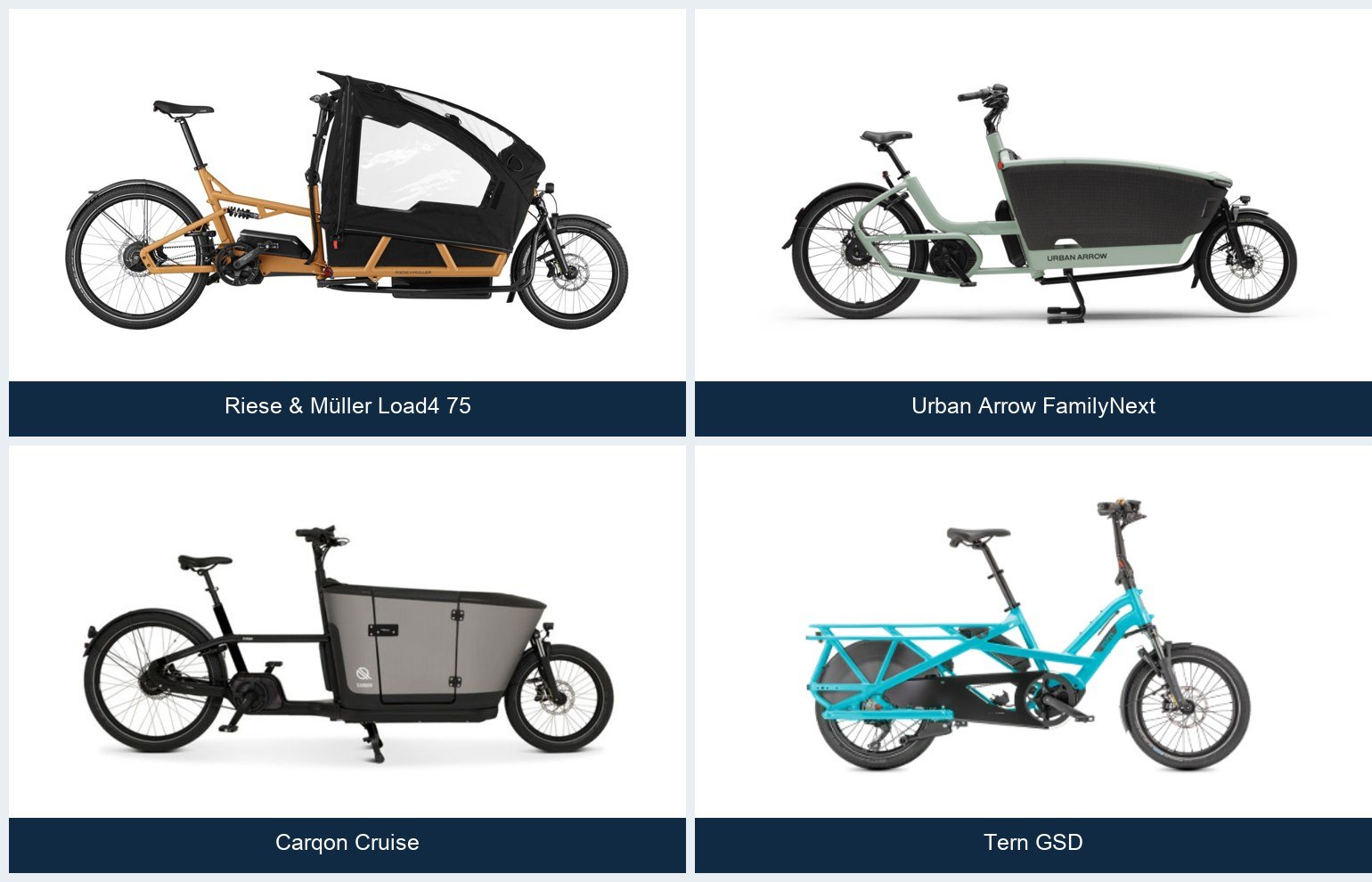
Le cargo bike più forti nel 2026 servono compiti chiaramente definiti. Se la categoria è nuova per il tuo team acquisti, inizia con cos'è una cargo bike e come si differenzia da una bicicletta standard. Urban Arrow FamilyNext e Riese & Müller Load4 75 sono riferimenti maturi di front-loader; Tern GSD e Yuba Spicy Curry mostrano cosa può fare una longtail compatta; Winther Kangaroo Luxe e Bunch Bikes dimostrano la capacità passeggeri delle piattaforme a tre ruote. Gli acquirenti focalizzati specificamente sul trasporto passeggeri possono continuare con il nostro confronto delle migliori cargo bike elettriche per famiglie. Questo è un confronto editoriale basato su ricerca di prodotto e feedback degli acquirenti, non una classifica globale di vendite dichiarata.
Come Abbiamo Selezionato le Migliori Cargo Bike del 2026
Abbiamo valutato 37 prodotti tra front-loader, longtail, cargo bike compatte e tricicli tadpole. La shortlist prioritizza criteri pratici per l'acquirente:
- architettura della piattaforma e ciclo di utilizzo previsto;
- peso lordo del veicolo e informazioni sul carico utile;
- idoneità del sistema di trasmissione per colline e partenze con carico;
- opzioni per passeggeri, meteo e accessori;
- frenata, stabilità in sosta e controllo a bassa velocità;
- accesso alla manutenzione e sostituzione dei componenti;
- disponibilità di documentazione tecnica; e
- posizionamento di prezzo e complessità di configurazione.
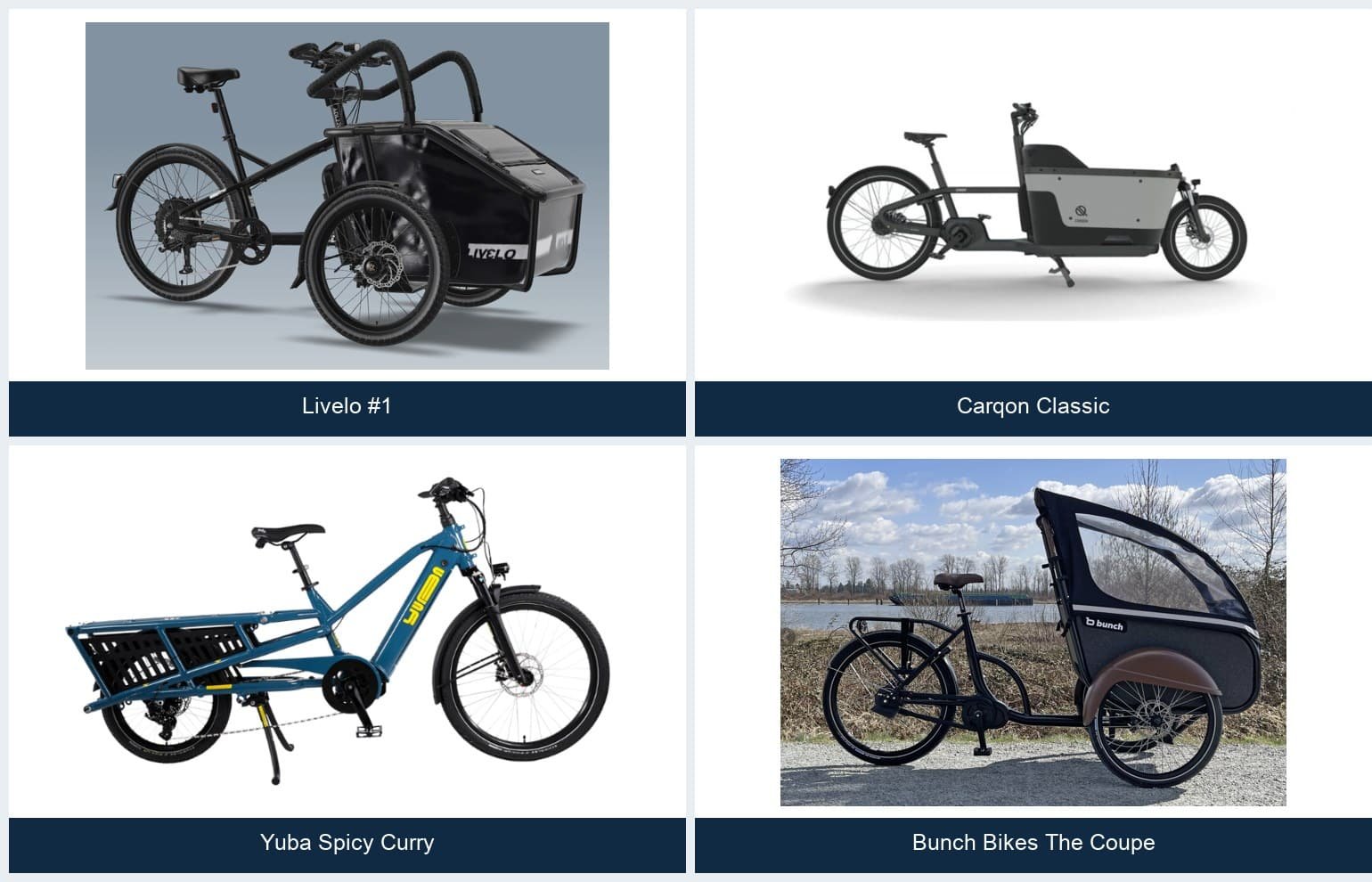
I prezzi variano in base al mercato, IVA, batteria e specifiche dei componenti. Gli acquirenti dovrebbero richiedere un preventivo datato piuttosto che trattare un prezzo di partenza pubblico come costo finale.
Migliori Cargo Bike: Shortlist 2026
| Modello | Layout | Adatto migliore | Principale vantaggio di design | Punto di attenzione per l'acquirente |
|---|---|---|---|---|
| Urban Arrow FamilyNext | Front-loader a due ruote | Famiglia e retail urbano premium | Concetto EPP-box consolidato e diversi livelli di motore Bosch | Passo lungo e impronta di stoccaggio |
| Riese & Müller Load4 75 | Front-loader a sospensione integrale | Uso premium per famiglie e superfici miste | Peso lordo del veicolo di 200 kg e telaio sofisticato | Prezzo elevato e aspettative di assistenza |
| Carqon Cruise | Front-loader a due ruote | Trasporto familiare | Architettura box dall'aspetto chiuso e opzioni di cinghia di trasmissione | Confermare il supporto del rivenditore locale e dei ricambi |
| Sterna tedesca | Longtail compatta | Città dense e uso misto passeggeri/carico | Impronta più corta e ampio ecosistema di accessori posteriori | Il carico è dietro al ciclista piuttosto che protetto da un box anteriore |
| Yuba Curry piccante | Coda lunga | Uso utilitario e familiare | Ruota posteriore piccola e stabile e piano posteriore adattabile | Il pacchetto accessori determina l'utilità reale |
| Winther Kangaroo Luxe | Front-loader a tre ruote | Trasporto multi-bambino e orientato al comfort | Cabina passeggeri, stabilità di sosta a tre ruote e opzioni di sospensione | Larghezza e comportamento in curva del triciclo |
| Butchers & Bicycles MK1-E | Triciclo inclinabile | Acquirenti urbani premium | Il telaio inclinabile mira a combinare la capacità del triciclo con curve dinamiche | Telaio più complesso e manutenzione premium |
| Due Ruote, Tre Ruote o Longtail? | Front-loader a tre ruote | Front-loader a due ruote | Cargo bike Long John | posizionano il carico tra il ciclista e la ruota anteriore. Sono strette, prevedibili in velocità e facili da posizionare nelle piste ciclabili, ma la geometria dello sterzo deve rimanere stabile con un box pesante. Lo sterzo a cavo o a leve, la rigidità del telaio e il centro di gravità meritano test di prototipo sia a carico minimo che massimo. |
Cargo bike a tre ruote
I tricicli tadpole stanno in piedi senza bilanciamento e forniscono una cabina ampia. Questo aiuta con l'imbarco dei bambini e il carico di pacchi. Il compromesso è la larghezza e diverse dinamiche di curva. Un triciclo rigido dovrebbe essere rallentato prima di curvare; un sistema inclinabile si sente più simile a una bicicletta ma aggiunge parti, messa a punto e lavoro di validazione. La nostra guida dedicata
guida all'acquisto di cargo bike a tre ruote esamina queste scelte di telaio in più dettaglio.
Le longtail mantengono lo sterzo familiare della bicicletta e sono più facili da riporre. Funzionano bene per famiglie urbane e corrieri che necessitano di portapacchi posteriori flessibili piuttosto che un grande box protetto dalle intemperie. La protezione dei piedi dei passeggeri, i pararuota, i sistemi di binari e le interfacce di bagaglio sicure dovrebbero essere trattati come requisiti di sistema, non come stile opzionale.
Fattori Tecnici Che Gli Acquirenti Professionali Dovrebbero Confrontare Motore e cambio La coppia di picco da sola non definisce le prestazioni con carico. Valuta il controllo di avviamento, il comportamento termico, la gamma di cadenza, la capacità di ripartenza in salita e la compatibilità con il mozzo o deragliatore selezionato. Un motore centrale da 75–85 Nm può essere appropriato per colline frequenti, mentre un sistema a coppia inferiore ben calibrato può essere sufficiente per città pianeggianti. La pianificazione del carico dovrebbe anche seguire un.
Longtails
calcolo documentato della capacità di carico della cargo bike.
piuttosto che il solo volume del box.
Integrazione della batteria
Confronta capacità utilizzabile, ergonomia di rimozione, protezione dall'acqua, blocco, tracciabilità delle celle e disponibilità di sostituzione. La capacità a doppia batteria può estendere i cicli di utilizzo ma aumenta i costi e la massa del veicolo. Gli acquirenti di flotte dovrebbero modellare le finestre di ricarica piuttosto che specificare automaticamente il pacco più grande. Freni e struttura Le cargo bike con carico necessitano di frenata prevedibile e gestione del calore. Dimensione del rotore, specifica della pinza, instradamento dei tubi e design del freno di stazionamento dovrebbero essere verificati al peso lordo del veicolo. La validazione strutturale dovrebbe coprire telaio, sterzo, cavalletto, supporti del box, sedili passeggeri e interfacce accessori come veicolo completo.
Conformità Europea e Controlli di Approvvigionamento
Per un EPAC destinato all'UE, gli acquirenti dovrebbero costruire un fascicolo tecnico attorno alla configurazione di produzione effettiva. EN 15194:2017+A1:2023 è un riferimento armonizzato chiave, ma la citazione della Commissione Europea include limitazioni riguardanti rischi come incendio, temperatura estrema e vibrazioni. La conformità quindi non può essere ridotta all'ottenimento di un certificato di componente.
Un fascicolo di approvvigionamento dovrebbe includere:
definizione dell'uso previsto e del misuse prevedibile;.
valutazione del rischio per la bicicletta completa;
evidenza di fatica di telaio e forcella;.
validazione di frenata e maneggevolezza con carico;
- documentazione di batteria, caricatore e sistema elettrico;
- evidenza EMC e controllo di software/configurazione;
- valutazione dei vincoli passeggeri e dei punti di contatto dove applicabile;
- etichette, istruzioni e documenti di dichiarazione; e;
- registri di qualità di produzione e controllo delle modifiche.;
- Cosa Significa Questo per un Progetto Cargo Bike ODM/OEM;
- I prodotti di riferimento sono utili per definire una posizione di mercato, ma copiare una specifica visibile non è una strategia di sviluppo prodotto. Un marchio dovrebbe prima bloccare il caso d'uso, il peso lordo target, l'autonomia del ciclista, l'involucro di carico, l'architettura di prezzo, il modello di assistenza e i mercati di destinazione. Regen può supportare questo processo attraverso il suo;
- etichette, istruzioni e documenti di dichiarazione; e
- documenti relativi alla qualità produttiva e al controllo delle modifiche.
Cosa significa questo per un progetto di cargo bike ODM/OEM
I prodotti di riferimento sono utili per definire una posizione di mercato, ma copiare una specifica visibile non è una strategia di sviluppo prodotto. Un marchio dovrebbe prima definire il caso d'uso, il peso lordo target, l'autonomia del ciclista, il volume di carico, l'architettura dei prezzi, il modello di assistenza e i mercati di destinazione. Regen può supportare questo processo attraverso i suoi servizi di sviluppo OEM e ODM per cargo bike, inclusa la selezione della piattaforma, lo sviluppo delle specifiche, la prototipazione, la preparazione ai test e l'assemblaggio nell'UE in Portogallo, mantenendo separati il design del marchio e il posizionamento commerciale.
Domande frequenti
Qual è la migliore cargo bike per una città europea?
Per piste ciclabili strette e guida frequente, un cargo bike a due ruote con carico anteriore o un longtail compatto è di solito più facile da manovrare. Un triciclo può essere migliore dove la stabilità da fermo e un ampio abitacolo passeggeri contano più della larghezza.
Un motore con coppia più elevata è sempre migliore?
No. La coppia deve essere considerata insieme a rapporti, calibrazione del controller, limiti termici, massa del veicolo e terreno. Un controllo fluido a bassa velocità può contare più del valore massimo dichiarato.
Quanto dovrebbe costare una cargo bike elettrica premium?
I prodotti analizzati vanno da circa €1.600 a oltre €10.000 a seconda della configurazione. Gli acquirenti commerciali dovrebbero confrontare la specifica completa consegnata, la garanzia e gli obblighi sui ricambi piuttosto che il solo prezzo iniziale.
Quale layout di cargo bike è più facile da personalizzare per un marchio?
Dipende dalla differenziazione richiesta. I longtail offrono opportunità di accessori e portapacchi; i front-loader offrono differenziazione per box, passeggeri e moduli commerciali; i tricicli offrono volume dell'abitacolo ma richiedono più validazione di sterzo e manovrabilità.
CTA
Stai pianificando una gamma di e-cargo bike per l'Europa? Condividi il tuo caso d'uso, prezzo target, carico utile, mercato di destinazione e volume di lancio con Regen per trasformare il benchmark in una specifica OEM o ODM controllata.
Riferimenti
Commissione Europea. (2024). Decisione di esecuzione della Commissione (UE) 2024/1329.
Riese & Müller. (2026). Load4 75: Dati tecnici e approvazioni. https://www.r-m.de/en-gb/bikes/load4-75/
Urban Arrow. (2026). Documentazione del prodotto FamilyNext. https://urbanarrow.com/en-na/documents
Winther Bikes. (2026). Kangaroo Luxe. https://www.wintherbikes.com/products/cargo-bikes/for-family/kangaroo-luxe/misty-black-misty-black