
 HU
HU  EN
EN  DE
DE  NL
NL  IT
IT  FR
FR  ES
ES  PT
PT  DA
DA  SV
SV  FI
FI  CS
CS  EL
EL  ET
ET  BG
BG  PL
PL  JA
JA  KO
KO Utolsó frissítés: 2026. június
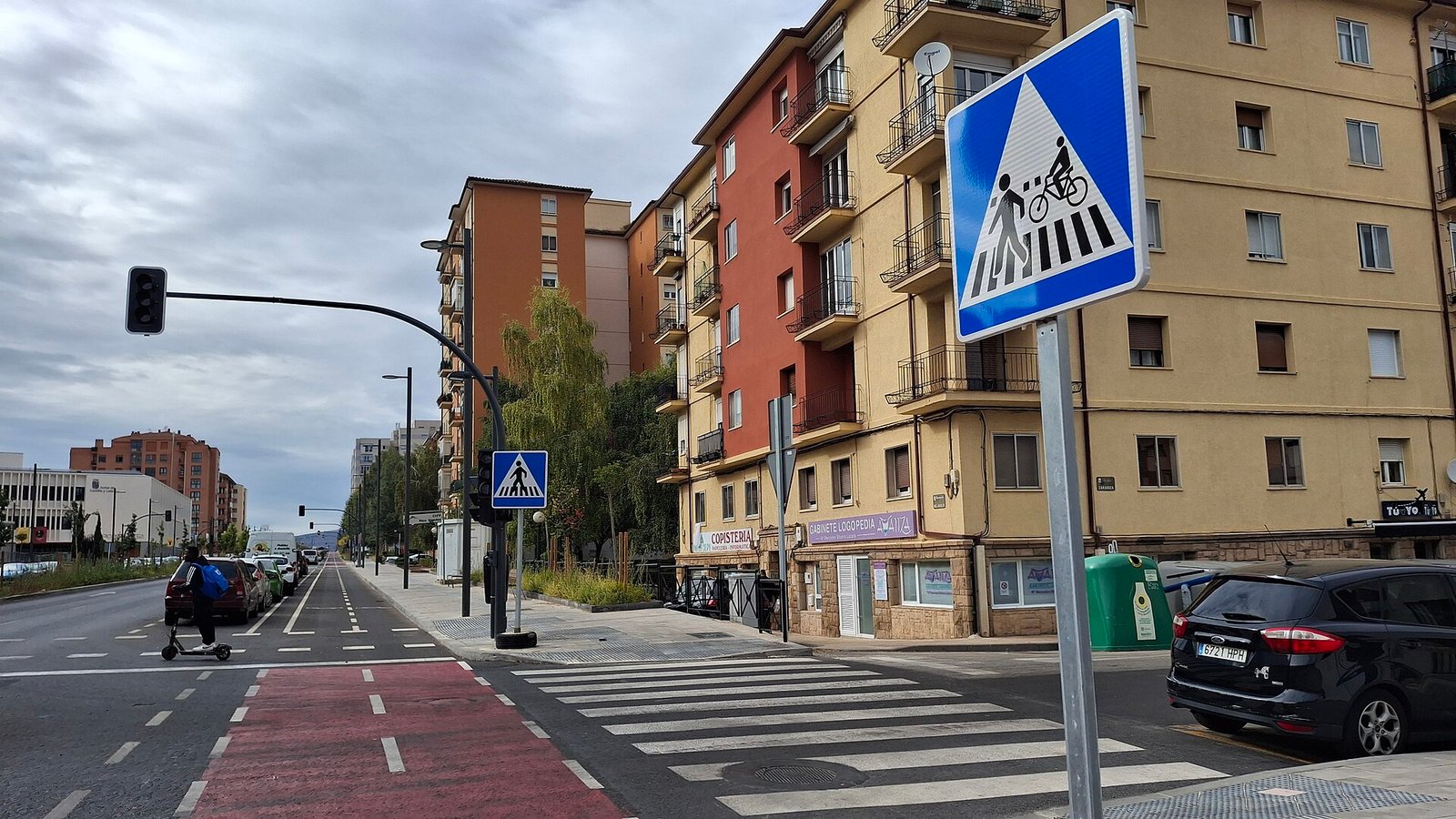
For most tourists, a legal e-bike in Spain is treated much like a regular bicycle. The safest rule is simple: ride a compliant EPAC or pedelec, use bike lanes where available, do not ride on sidewalks unless local signs specifically allow it, and expect city rules to matter as much as national rules.
Spain is popular for cycling because the country offers everything from flat coastal paths to old-city streets and mountain routes. But that variety also creates confusion. A rental e-bike that feels normal in Barcelona may be illegal if it has a throttle, if the motor keeps pushing above 25 km/h, or if it has been modified to behave more like a moped than a bicycle.
Are Electric Bikes Legal in Spain?
Yes. Standard pedal-assist e-bikes are legal in Spain when they meet the European EPAC style limit: a motor with a maximum continuous rated power of 250W, assistance only while pedaling, and assistance that cuts off before the bike reaches 25 km/h.
That is the line tourists should remember. If the motor can drive the bike without pedaling, if assistance continues above 25 km/h, or if the bike has been derestricted, it may no longer be treated as a bicycle. It can move into moped or motor-vehicle territory, which can mean registration, insurance, homologation, a driving license, and a different helmet requirement.
For a rental customer, the practical question is not "how fast does it feel?" It is: does the rental company confirm that the bike is a compliant pedal-assist bicycle for public roads in Spain?
Do You Need a License or Insurance for an Ebike in Spain?
For a compliant pedal-assist e-bike, tourists generally do not need a driving license, registration plate, or motor insurance. That is why city e-bike rental is easy in Spain.
The answer changes if the bike is not really an e-bike under the legal definition. Powerful throttle bikes, speed e-bikes, and modified bikes can be treated differently. If a seller or rental shop advertises high power, high speed, or "unlockable" modes, be careful. A bike that looks like a bicycle can still be illegal for normal bike lanes if it performs like a small motor vehicle.
Do You Need to Wear a Helmet?
Helmet rules in Spain depend on rider age, road type, and local context. Adults riding in urban areas are often not under the same rule as adults riding on interurban roads, while children have stricter requirements. Because municipal rules can vary, tourists should treat a helmet as part of the rental, not an optional extra.
For practical travel, the advice is easy: wear one. Spanish cities mix buses, taxis, scooters, pedestrians, delivery riders, and painted bike lanes that may end suddenly. A helmet also reduces argument with rental staff or tour operators when local rules are stricter than expected.
Are Lights and Reflectors Required?
If you ride at night, in tunnels, or in low visibility, your bike should have a white front light and a red rear light. Reflectors and a bell are also expected equipment for safe cycling.
Tourists often underestimate this because they plan to ride only during the day. In Spain, dinner is late, summer heat pushes rides into the evening, and beach or old-town visits can run longer than planned. Before leaving the shop, check the lights while the bike is stationary. If the rental bike uses removable lights, make sure the batteries are charged and the mounts are tight.
Can You Use a Phone While Riding?
Do not hold or use a phone while cycling. Spain treats distracted road behavior seriously, and for tourists the risk is bigger because navigation is the main reason people reach for a phone.
Use a handlebar mount, set the route before moving, and stop somewhere safe if you need to change directions. This matters especially in Spanish historic centers where one-way streets, pedestrian zones, delivery vehicles, and tram tracks can appear quickly.
Hol kell elektromos kerékpárral közlekedni Spanyolországban?
Use cycle lanes, bike paths, and signed cycling routes where they exist. If there is no usable bike lane, cyclists normally ride on the road while following traffic signs and signals. Avoid sidewalks unless local signage clearly allows cycling there.
This is one of the most important ebike cycling rules in Spain for tourists. Local pedestrians do not expect visitors to weave along narrow sidewalks, and police in major cities may enforce sidewalk riding more strictly in crowded zones. In Barcelona, Madrid, Valencia, and Seville, check local bike-lane signs because each city has its own street design and enforcement habits.
Lehet utast vagy gyermeket szállítani?
Only carry a passenger if the bike is built and equipped for it. A child seat must be suitable, correctly mounted, and used within its weight and age limits. Do not put an adult on a rear rack that was designed for panniers, and do not let a second rider stand on pegs unless the rental bike is explicitly built for passengers.
Cargo e-bikes are common in Europe, but the same principle applies: the bike must be designed for the load. For tourists, a family cargo-bike rental is much safer than improvising with a standard city e-bike.
Ihatsz és vezethetsz?
Do not ride under the influence of alcohol or drugs. Cyclists are road users and can be stopped, tested, or fined. Spain's relaxed cafe culture can make this easy to forget, especially in beach towns and late-night city centers.
If a ride includes wine tasting, nightlife, or a long lunch, plan a return by public transport, taxi, or walking. It is not worth turning an easy holiday ride into a traffic stop or crash.
Hogyan parkolj elektromos kerékpárral Spanyolországban?
Use bike racks or designated parking areas. Avoid blocking sidewalks, building entrances, wheelchair access, bus stops, and shop fronts. In busy cities, poorly parked bikes can be removed or fined, and rental companies may pass that cost to the customer.
Rögzítsd a vázat egy rögzített állványhoz, ne csak a kereket. Spanyolország nem egyedülállóan veszélyes a biciklilopás szempontjából, de a turistaterületek nyilvánvaló célpontok. Ha a kölcsönzés tartalmazza a levehető akkumulátort, kérdezd meg, hogy hosszabb megállók során magaddal kell-e vinned.
Mit ellenőrizzenek a turisták kölcsönzés előtt?
Mielőtt elindulsz, erősíts meg öt dolgot:
- a bicikli egy közúti forgalomra alkalmas pedálsegítéses e-bike
- a segítség 25 km/h-nál leáll
- a fékek tisztán működnek
- a lámpák, csengő és gumik készen állnak
- a zár és az akkumulátor eljárása világos
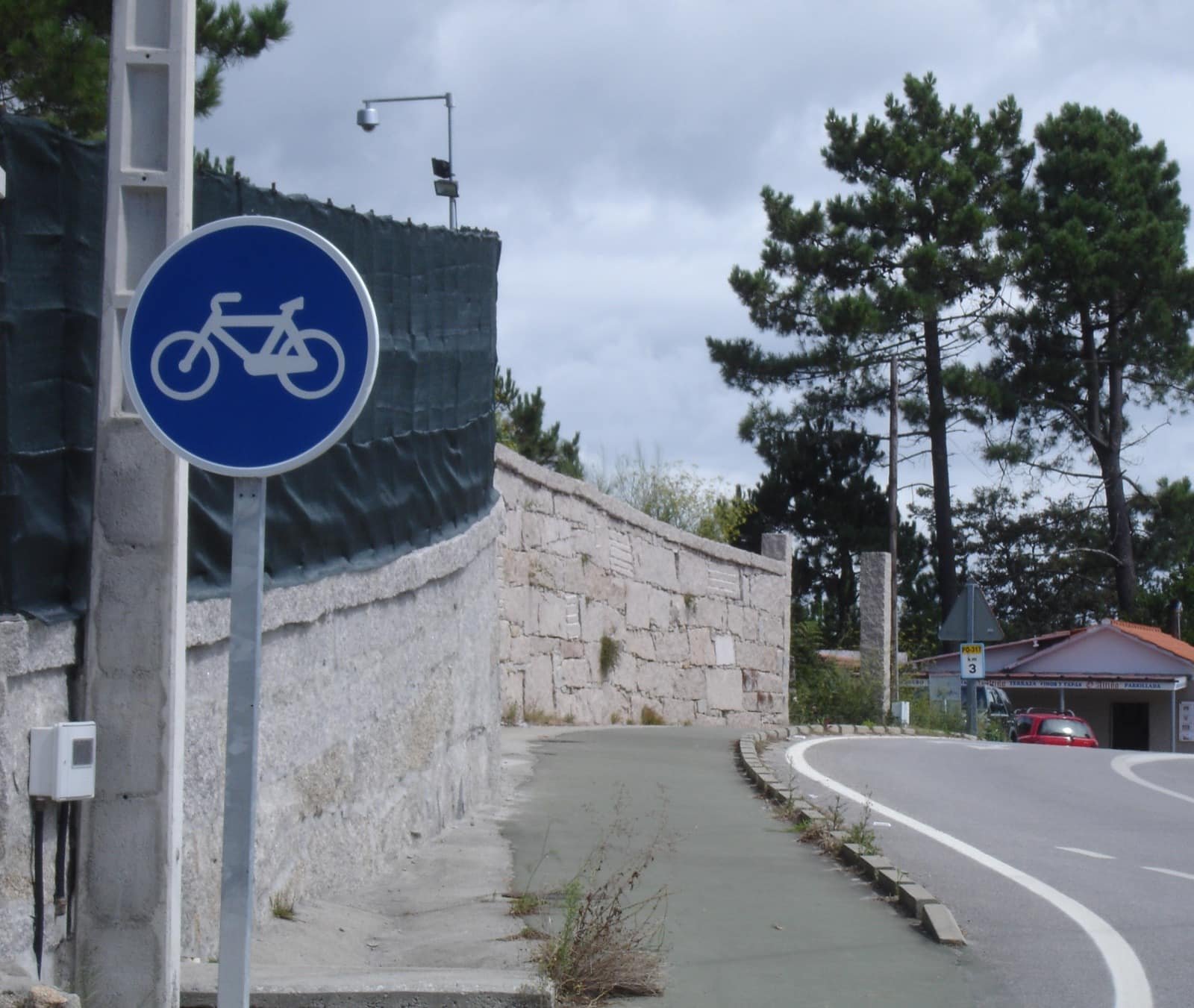
Kérdezd meg azt is, hogy hol engedélyezett a közlekedés. Egy helyi bolt tudni fogja, hogy a közeli sétány, park, tengerparti út vagy óvárosi utca különleges korlátozások alá esik-e.
Összegzés: E-bike közlekedés Spanyolországban magabiztosan
Az e-bike közlekedési szabályok Spanyolországban a legkönnyebbek, ha egy megfelelő pedálsegítéses biciklit választasz, és óvatos kerékpárosként közlekedsz, nem pedig robogósként. Maradj a kerékpársávokban, ahol lehetséges, ne menj a járdára, hacsak nem jelzik, használj lámpákat sötétedés után, rögzítsd a telefont, viselj sisakot, és parkolj úgy, hogy ne akadályozd a gyalogosokat.
A turisták számára a legnagyobb hiba azt feltételezni, hogy minden elektromos kétkerekű jogilag ugyanaz. Nem az. Egy normál 250W-os, 25 km/h-s pedálsegítéses e-bike a legkönnyebb választás a városnézéshez. Egy gyorsabb vagy gázkaros bicikli jogi és biztonsági problémákat okozhat, amelyek nem érik meg a plusz sebességet.
GYIK
K1: Legálisak az e-bike-ok Spanyolországban?
Igen. A pedálsegítéses e-bike-ok legálisak, ha a motor 250W folyamatos névleges teljesítményre korlátozott, és a segítség 25 km/h előtt leáll.
K2: Közlekedhetnek a turisták e-bike-kal Spanyolországban jogosítvány nélkül?
Igen, ha az e-bike egy megfelelő pedálsegítéses kerékpár. A gyorsabb vagy módosított járművek eltérő jogi kezelést igényelhetnek.
K3: Kötelező a sisak viselése felnőtteknek e-bike-on spanyol városokban?
A sisakszabályok életkor, út típusa és helyi környezet szerint változnak, de a turistáknak viselniük kell, mert biztonságosabb és elkerüli a félreértéseket.
K4: Közlekedhetek e-bike-kal a járdán Spanyolországban?
Általában nem. Használj kerékpársávokat vagy az utat, hacsak a táblák vagy helyi szabályok kifejezetten nem engedélyezik a járdán való közlekedést.
K5: Engedélyezettek a gázkarok a spanyol e-bike-okon?
Egy normál, legális pedálsegítéses e-bike-nak pedálozás közben kell segítenie. Ha a motor pedálozás nélkül hajtja a biciklit, ellenőrizd alaposan, mert lehet, hogy nem hagyományos kerékpárként kezelik.
Források
- DGT, "Nem kell regisztrálniuk": https://revista.dgt.es/es/noticias/nacional/2019/05MAYO/0531-Bicis-electricas-NP.shtml
- DGT, "20 szabály, amelyet minden kerékpárosnak ismernie kell": https://www.dgt.es/comunicacion/noticias/20-normas-que-todo-ciclista-debe-conocer
- DGT, "Kerékpárral": https://www.dgt.es/muevete-con-seguridad/viaja-seguro/en-bicicleta
- Referencia-struktúra áttekintve: Aitour Ebikes, "Cycling in the Netherlands: Essential Rules and Tips for Tourists": https://www.aitourebikes.com/blogs/aitour-blogs/cycling-in-the-netherlands-essential-rules-and-tips-for-tourists