
 BG
BG  EN
EN  DE
DE  NL
NL  IT
IT  FR
FR  ES
ES  PT
PT  DA
DA  SV
SV  FI
FI  CS
CS  EL
EL  HU
HU  ET
ET  PL
PL  JA
JA  KO
KO Last Updated: July 2026
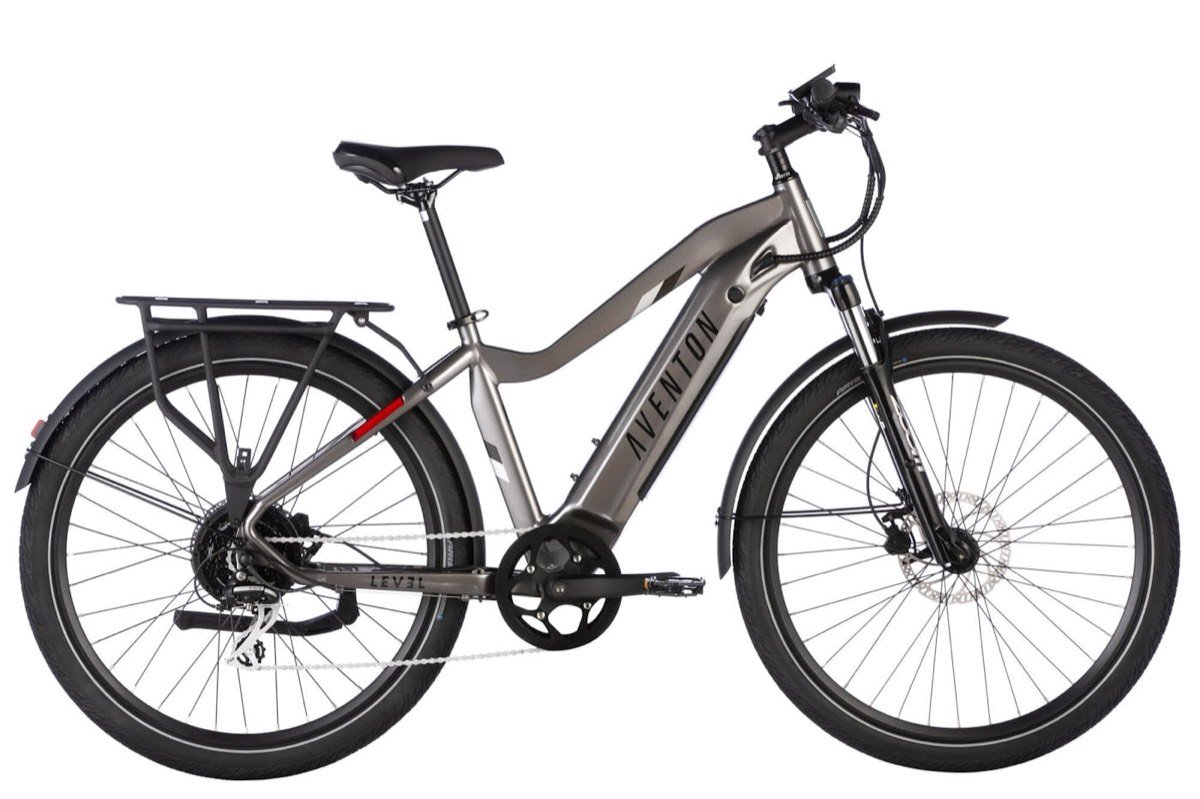
A commuter ebike should make the trip repeatable in ordinary clothes and ordinary weather. A fast motor alone does not do that. The best commuter electric bike 2026 is a complete system with integrated lights, fenders, a usable rack, predictable brakes, and a battery you can actually charge and secure. Manufacturer range claims are useful for comparison, but actual range changes with rider weight, terrain, assist level, wind, tire pressure, and temperature.
What Makes a Commuter Ebike Different
Commuter bikes solve the small frustrations that turn a promising ride into a car trip: wet roads, dark return journeys, a laptop bag, and a locked bike outside an office. Look for full fenders, front and rear lighting, a rack with a stated rating, hydraulic disc brakes, and dealer or parts support. If the bike needs all of those accessories after purchase, compare the complete price rather than the headline price.
Best Commuter Electric Bikes 2026 Compared
| Модел | Claimed range | Мотор | Клас | Тегло | Daily equipment | Published price* |
|---|---|---|---|---|---|---|
| Aventon Level 3 | Up to 70 mi | 500W хъб | 2, unlockable 3 | 67 lb | lights, fenders, rack, GPS/lock | $1,699 |
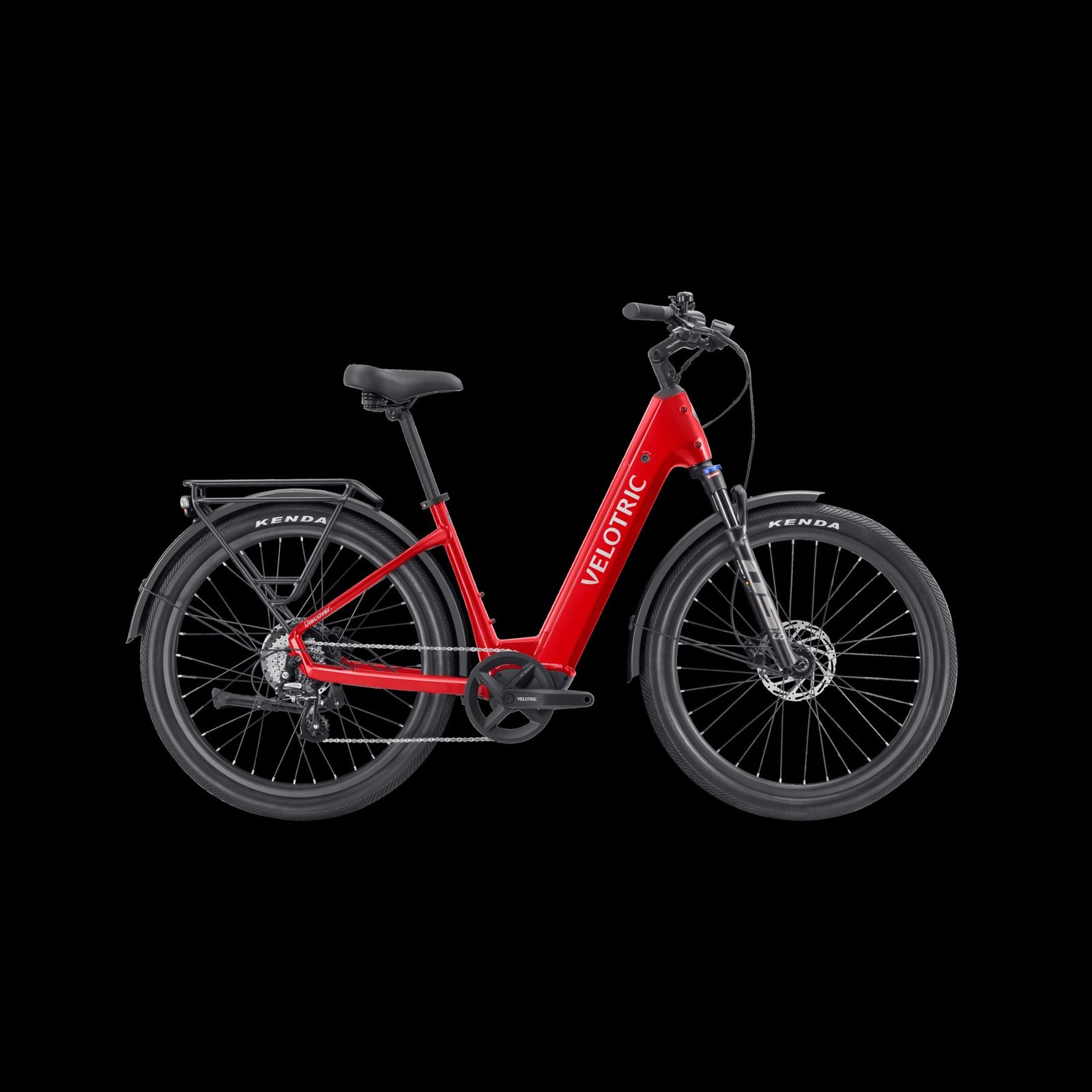
| Velotric Discover 2 | Up to 75 mi | 750W hub, 75Nm | adjustable | 61-63 lb | lights, turn signals, rack | $1,799 |
| Trek FX+ 7S | Varies by battery | средно задвижване | 1/3 by market | verify by build | commuter accessories available | dealer quote |
| Specialized Turbo Vado | Varies by build | средно задвижване | market dependent | verify by build | commuter-focused platform | dealer quote |
*Prices and configurations change. Check the brand page before buying.
Best Pick for Most Daily Riders: Aventon Level 3
Ниво 3 е най-пълният избор, ориентиран към стойността, за пътуване от 10 до 25 мили. Aventon посочва 500W постоянен заден хъб мотор, 733Wh подвижна батерия, общо ограничение на теглото от 300 lb, интегрирано осветление, багажник, калници и време за зареждане от пет часа от 0 до 100%. Нейната стандартна Class 2 конфигурация може да е от значение там, където правилата за газта имат значение; всяка Class 3 конфигурация трябва да се провери спрямо маршрута, който реално използвате.
Въздействието върху потребителя е ясно: по-малко покупки на аксесоари и по-малко триене в дъждовни или тъмни дни. Теглото от 67 lb означава, че е по-подходящ за заключено съхранение на партерен етаж или гараж, отколкото за ежедневно носене по стълби.
Изберете според разстоянието на пътуването
Под 10 мили: приоритизирайте паркирането и защитата от времето
Краткото пътуване рядко се нуждае от най-голямата батерия. Купете за калници, светлини, стратегия за ключалка и багажник, който носи работно оборудване без раница. По-лек велосипед за пътуване е по-лесен на вратите на велосипедните стаи и на рампите на апартаментите; сгъваем вариант може да е по-добър, където съхранението е истинското затруднение. Нашето ръководство за сгъваеми е-велосипеди помага с това решение.
10 до 25 мили: балансирайте обхвата, комфорта и зареждането
Тук Level 3 и Discover 2 имат смисъл. Velotric посочва 705.6Wh батерия, обявен обхват от 75 мили, максимално натоварване на велосипеда от 440 lb и рейтинг на задния багажник от 66 lb. Не четете тези цифри за обхват като обещание: планирайте марж за хълмове, студено време и по-високо съдействие. Подвижната батерия е ценна, ако зареждането в офиса е разрешено, но носете зарядното само там, където може да остане сухо и под надзор.
Над 25 мили: изберете маршрута преди велосипеда
Дългите ездачи се възползват повече от надежден среден мотор, план за батерията и достъп до обслужване, отколкото от екстремно твърдение за скорост. Картирайте опциите за зареждане и попитайте дали едно зареждане покрива двупосочното пътуване с буфер от 20 до 30 процента. Велосипед със среден мотор може да се почувства по-естествен при повтарящи се изкачвания, докато велосипед с хъб мотор може да бъде отлично, по-евтино решение за равнинен град.
Разходи за е-велосипед за пътуване и логика на правилата
Electricity is usually a small portion of commuter cost; parking, fuel, transit fares, maintenance, and time are often the larger decisions. Use a simple monthly comparison: commute miles x workdays, then list car parking/fuel, transit fares, and ebike electricity plus maintenance. Do not count a car payment as fully avoidable unless the bike truly replaces a vehicle.
Class matters too. Class 1 and 2 e-bikes generally assist to 20 mph, while Class 3 assists to 28 mph; access rules vary by state, trail, and path. Check our e-bike laws guide before choosing a route or unlocking a speed setting.
Charging, Security, and Maintenance
Charge the manufacturer-supplied battery and charger on a hard, open surface, and favor complete e-bike electrical systems certified to UL 2849 where available. Do not leave a battery in heat, rain, or a shared hallway. For routine ownership, keep tires inflated, check brake wear, clean the drivetrain, and inspect rack hardware; our ebike maintenance guide covers the practical schedule.
Frequently Asked Questions
Can a commuter ebike replace a car?
For a predictable solo commute and small errands, often yes. It is less likely to replace every trip when you routinely carry multiple passengers, large tools, or travel in severe weather.
Can I charge an ebike at the office?
Only with employer permission and a safe indoor location. Bring the approved charger, keep the battery visible and dry, and never block exits or corridors.
Is a Class 3 ebike best for commuting?
Not automatically. It helps on roads where higher assisted speed is permitted, but a Class 1 or 2 bike may fit shared paths and local rules better.
Референции
- Aventon, Level 3 technical specifications.
- Velotric, Discover 2 product specifications.
- PeopleForBikes, e-bike classification resources.
- UL Solutions, UL 2849 e-bike electrical-system information.