
 JA
JA  EN
EN  DE
DE  NL
NL  IT
IT  FR
FR  ES
ES  PT
PT  DA
DA  SV
SV  FI
FI  CS
CS  EL
EL  HU
HU  ET
ET  BG
BG  PL
PL  KO
KO 最終更新日:2026年7月
通勤用eバイクは、普段着と普段の天候で通勤を繰り返し可能にするべきです。速いモーターだけではそれは実現しません。2026年のベスト通勤用電動自転車は、統合ライト、フェンダー、実用的なラック、予測可能なブレーキ、そして実際に充電して固定できるバッテリーを備えた完全なシステムです。メーカーの航続距離の主張は比較に役立ちますが、実際の航続距離はライダーの体重、地形、アシストレベル、風、タイヤ空気圧、気温によって変わります。.
通勤用eバイクを特別にするもの
通勤用自転車は、有望なライドを車での移動に変えてしまう小さなフラストレーションを解決します:濡れた道路、暗い帰路、ノートパソコンバッグ、オフィス外に施錠された自転車。フルフェンダー、前後のライト、定格表示のあるラック、油圧ディスクブレーキ、そしてディーラーまたは部品サポートを探してください。購入後にこれらすべてのアクセサリーが必要な場合は、見出し価格ではなく総額を比較してください。.
2026年のベスト通勤用電動自転車比較
| モデル | 公称航続距離 | モーター | クラス | 重量 | 日常装備 | 公開価格* |
|---|---|---|---|---|---|---|
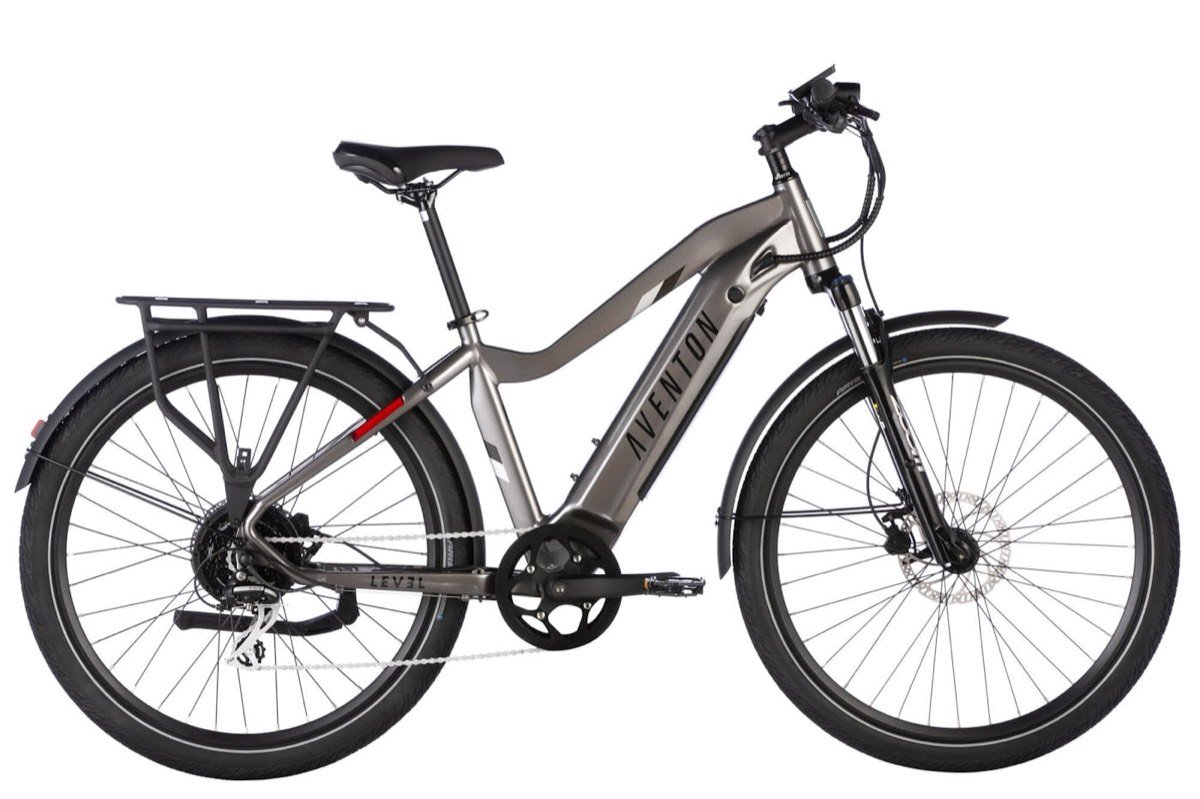
| Aventon Level 3 | 最大70マイル | 500Wハブ | 2, unlockable 3 | 67 lb | ライト、フェンダー、ラック、GPS/ロック | $1,699 |
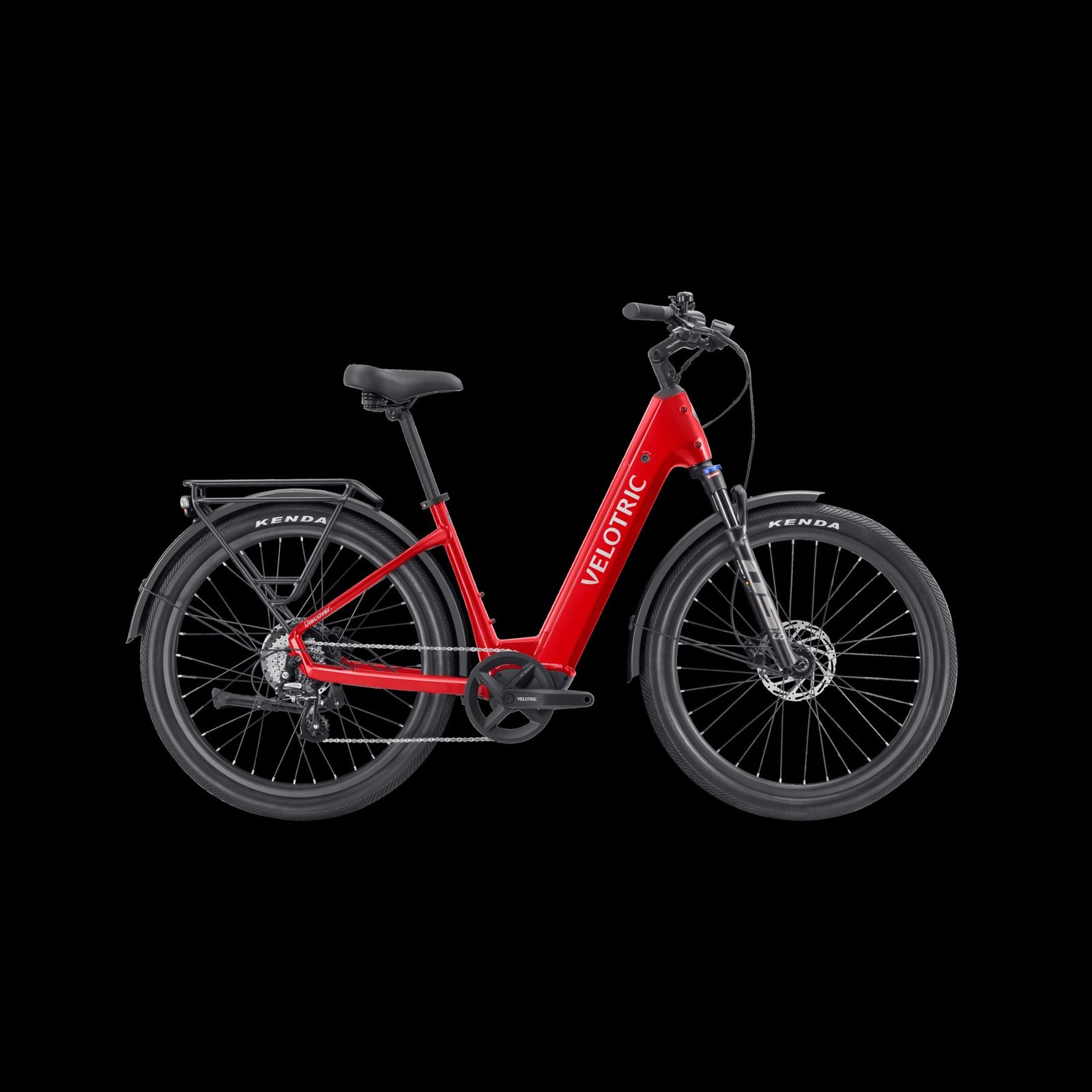
| Velotric Discover 2 | 最大75マイル | 750Wハブ、75Nm | 調整可能 | 61-63ポンド | ライト、ターンシグナル、ラック | $1,799 |
| Trek FX+ 7S | バッテリーにより異なる | ミッドドライブ | 市場により1/3 | ビルドで確認 | 通勤用アクセサリー利用可能 | ディーラー見積もり |
| Specialized Turbo Vado | ビルドにより異なる | ミッドドライブ | 市場依存 | ビルドで確認 | 通勤重視プラットフォーム | ディーラー見積もり |
*価格と構成は変更されます。購入前にブランドページを確認してください。.
ほとんどの日常ライダーに最適な選択:Aventon Level 3
Level 3は、10〜25マイルの通勤に最も完全で価値重視の選択肢です。Aventonは、500W持続リアハブモーター、733Wh取り外し可能バッテリー、300ポンド総重量制限、統合ライト、ラック、フェンダー、5時間の0〜100%充電時間を記載しています。標準のClass 2設定はスロットル規則が重要な場所で関連性があります。Class 3構成は、実際に使用するルートに照らして確認する必要があります。.
ユーザーへの影響は明確です:アクセサリー購入が減り、雨や暗い日の摩擦が少なくなります。67ポンドの重量は、毎日の階段運搬よりも、施錠された地上階の保管やガレージに適しています。.
通勤距離で選ぶ
Under 10 miles: prioritize parking and weather protection
短い通勤では、大きなバッテリーはほとんど必要ありません。フェンダー、ライト、ロック戦略、そしてバックパックなしで仕事用具を運ぶラックのために購入してください。軽量な通勤用自転車は、自転車室のドアやアパートのスロープで扱いやすく、収納が本当のボトルネックである場合は折りたたみオプションが良いかもしれません。私たちの 折りたたみe-bikeガイド がその決定に役立ちます。.
10~25マイル:航続距離、快適性、充電のバランス
ここでLevel 3とDiscover 2が理にかなっています。Velotricは、705.6Whバッテリー、75マイルの公称航続距離、440ポンドの最大自転車積載量、66ポンドのリアラック定格を記載しています。これらの航続距離の数値を約束として読まないでください:丘、寒い天候、より高いアシストのための余裕を計画してください。オフィス充電が許可されている場合、取り外し可能なバッテリーは価値がありますが、充電器は乾燥して監視された場所にのみ持参してください。.
Over 25 miles: choose the route before the bike
長距離ライダーは、極端な速度の主張よりも、信頼性の高いミッドドライブ、バッテリー計画、サービスアクセスから恩恵を受けます。充電オプションをマッピングし、1回の充電で20〜30パーセントのバッファーで往復をカバーできるかどうかを尋ねてください。ミッドドライブの通勤用自転車は繰り返しの登りでより自然に感じられますが、ハブドライブの自転車も優れた低コストの平坦都市ソリューションになり得ます。.
通勤用eバイクのコストと規則のロジック
電気代は通常、通勤コストの小さな部分です。駐車、燃料、交通費、メンテナンス、時間がしばしば大きな決定要因です。簡単な月次比較を使用してください:通勤マイル×勤務日数、次に車の駐車/燃料、交通費、eバイクの電気代とメンテナンスをリストアップします。自転車が本当に車を置き換える場合を除き、車の支払いを完全に回避可能と数えないでください。.
クラスも重要です。Class 1および2のeバイクは一般的に時速20マイルまでアシストし、Class 3は時速28マイルまでアシストします。アクセス規則は州、トレイル、パスによって異なります。私たちの eバイク法ガイド をルートを選ぶか速度設定を解除する前に確認してください。.
充電、セキュリティ、メンテナンス
メーカー供給のバッテリーと充電器を硬くて開いた表面で充電し、利用可能な場合はUL 2849に認定された完全なeバイク電気システムを優先してください。バッテリーを熱、雨、共有ホールに置かないでください。日常の所有では、タイヤの空気圧を維持し、ブレーキの摩耗を確認し、ドライブトレインを清掃し、ラックのハードウェアを検査してください。私たちの eバイクメンテナンスガイド 実用的なスケジュールをカバーします。.
よくある質問
通勤用e-bikeは車の代わりになりますか?
予測可能な一人での通勤や小さな用事には、多くの場合、はい。複数の同乗者、大きな工具を定期的に運ぶ場合や、悪天候での移動が多い場合は、すべての移動を置き換える可能性は低くなります。.
オフィスでe-bikeを充電できますか?
雇用主の許可と安全な屋内場所がある場合のみ。承認された充電器を持参し、バッテリーを目に見える場所で乾燥した状態に保ち、出口や廊下を塞がないでください。.
クラス3のe-bikeは通勤に最適ですか?
必ずしもそうではありません。より高いアシスト速度が許可されている道路では役立ちますが、クラス1または2の自転車は共有パスや地域の規則に適している場合があります。.
参考文献
- Aventon、, レベル3の技術仕様.
- Velotric、, Discover 2の製品仕様.
- PeopleForBikes、, e-bike分類リソース.
- UL Solutions、, UL 2849 e-bike電気システム情報.