
 BG
BG  EN
EN  DE
DE  NL
NL  IT
IT  FR
FR  ES
ES  PT
PT  DA
DA  SV
SV  FI
FI  CS
CS  EL
EL  HU
HU  ET
ET  PL
PL  JA
JA  KO
KO 
EPR sounds like a tax you can worry about later. It isn’t. If you sell e-bikes in the UK or Europe, extended producer responsibility (EPR) decides what you can register, what you can report and, in some countries, whether you can sell at all.
The good news is that most of e-bike EPR compliance is just data — and the data comes from your manufacturer, not your accountant. Ask for seven specific things before production starts and your registrations and annual reports will be plain sailing. Miss them and you’ll be weighing boxes in a warehouse twelve months from now, trying to reconstruct numbers that should have been in your purchase agreement.
Here’s the list, and why each item matters.
First, what EPR actually is
EPR means the company that puts a product on the market pays for dealing with it at the end of its life. When you import e-bikes, that company is you — not the factory that built them. Three separate schemes apply to every e-bike you sell:
- WEEE (waste electrical and electronic equipment). Your bike, motor, display and charger count as electrical goods.
- Batteries. The battery pack is treated as a product in its own right.
- Packaging. Every box, film, foam insert and strap gets counted and reported.
You need a separate registration for each scheme, in each country you sell into, plus an annual report. That sounds like a lot — and it is, until the data underneath it is solid. Our weekly roundup of UK and European e-bike regulation news tracks rule changes as they land.
Why you need the data before production starts
Every EPR report you ever file comes down to three facts: what your e-bike weighs, what its battery is, and what packaging it arrives in. None of those facts are invented in your office — they come from the factory floor: the bill of materials, the battery test file and the packaging specification. If your e-bike EPR compliance is going to hold up at audit, those three facts need to be right.
Ask for the data at the sourcing stage and it arrives as routine paperwork. Ask after the container has landed and you’re reconstructing it from memory — or weighing cartons in a warehouse. The difference shows up twelve months later: one importer files a report in an afternoon; the other spends a week weighing boxes.
7 things to ask your manufacturer for — your EPR data checklist
Print this list and send it to your supplier with your purchase order, one row per model. Keep it per model (per SKU, if you speak factory). A 48V/15Ah and a 48V/20Ah build of the same bike are different lines on a report, and per-model data can always be combined later.
| # | Ask for | What it is | Why you need it |
|---|---|---|---|
| 1 | Packaging spec, by material and weight | Grams per box: carton, film, foam, strapping, pallet share | Drives your packaging report; fees now depend on how recyclable the materials are |
| 2 | Battery datasheet with UN 38.3 test summary | Chemistry, voltage, capacity, watt-hours, pack weight — plus the safety tests batteries need before they can be shipped | Feeds your battery report, and carriers will ask for it when they ship |
| 3 | Unit weight, with and without the battery | Two numbers per model and variant | WEEE reports are weight-based, so both numbers matter |
| 4 | Packaging Declaration of Conformity | The factory’s signed statement that the packaging meets EU rules | It’s separate from the bike’s CE certificate, and reviewers expect it as its own document |
| 5 | Photos of the labels | WEEE bin symbol, battery marking, Triman where required | Once bikes are landed, adding labels is a nightmare |
| 6 | Battery removal instructions | How the pack comes out and which tools are needed | Registers ask about end-of-life, and your dealers need it too |
| 7 | HS codes and customs description | The codes used on your import paperwork | Customs and EPR data get cross-checked; mismatches invite questions |
One catch: ask for item 1 by packaging version. A carton redesign halfway through the year silently changes your numbers.
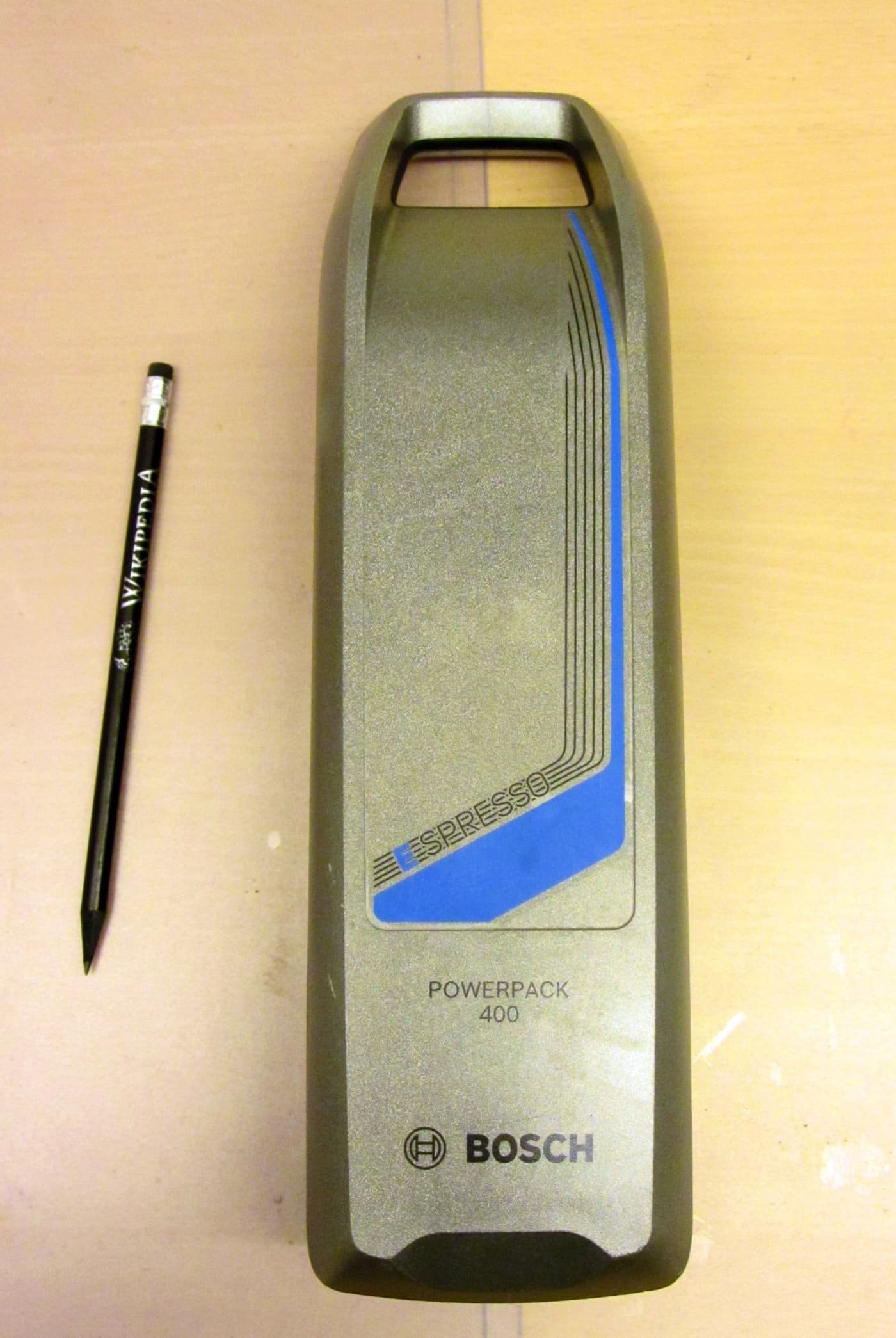
Battery data deserves a special mention: pack weight feeds your battery report, and the electrical data feeds labelling and, from 2027, the battery passport system. Want to know what that data means in daily riding? Our guide to e-bike battery management systems explains the electrical side without the jargon.
Get the labels sorted before anything is printed
Three marks need to exist on your product and packaging before it ships:
- the crossed-out wheelie bin (the WEEE symbol);
- the battery marking required by the EU Battery Regulation;
- the Triman mark, France’s recycling label, for consumer packaging.
None of them are hard to add while the factory is printing and moulding. All of them are awkward to add once the bikes are sitting in your warehouse. Ask for photos of the applied labels as part of your pre-shipment checks. These marks are separate from the Class 1, 2 and 3 labels riders look for on the bike — we explain those here.
One file per model makes EPR reporting far easier
Keep one file (or spreadsheet) per model holding all seven items above, and give it an owner. Update it in the same month anything changes: a weight revision, a packaging redesign, a new battery supplier.
The classic mistake is filing year two’s report on year one’s numbers. Tie updates to your product changes rather than the declaration deadline, and give the file a once-a-year review.
EPR registration: how the UK and EU differ
British and EU rules share the same DNA, but the deadlines and paperwork don’t always line up. The short version:
| United Kingdom | European Union | |
|---|---|---|
| E-waste | WEEE Regulations 2013 — register with the environment agencies | WEEE Directive 2012/19/EU — national registers such as Germany’s stiftung ear |
| Batteries | Existing UK waste battery rules apply; the EU’s 2027 dates don’t transfer automatically | Battery Regulation (EU) 2023/1542 — removability rules tighten from February 2027, with passports for bigger packs from the same date |
| Packaging | Packaging EPR live from 2025 — producers register and report annually | Packaging and Packaging Waste Regulation (EU) 2025/40 — recyclability by 2030, fees based on recyclability, signed Declaration of Conformity |
Selling into both? Build one data set and generate each market’s documents from it — don’t run parallel spreadsheets. Whatever markets you sell into, e-bike EPR compliance gets easier when one clean data set feeds every report.

5 EPR mistakes that cost importers real money
- Selling before you register. In Germany this is banned outright; elsewhere it means back-paying fees on everything already sold. Some registers take weeks to approve you, so start early.
- Forgetting spare parts. Spare batteries, chargers and electronic accessories count as products too, each with its own packaging. Brands that file careful bike declarations but forget the accessories aisle find the gap at audit.
- Mixing up household and business sales. A cargo bike sold to a fleet may classify differently from the same bike sold to a family, with different fees and take-back rules. Decide per channel when you register, not afterwards.
- Letting the data drift. Weights, packaging and batteries all change over time. If your file doesn’t update in the same month, next year’s report is wrong before you start.
- Getting marketplace verification wrong. Marketplaces check EPR numbers against registers on their own schedule. A name or number format mismatch can delist you for weeks — lost revenue that has nothing to do with your products.
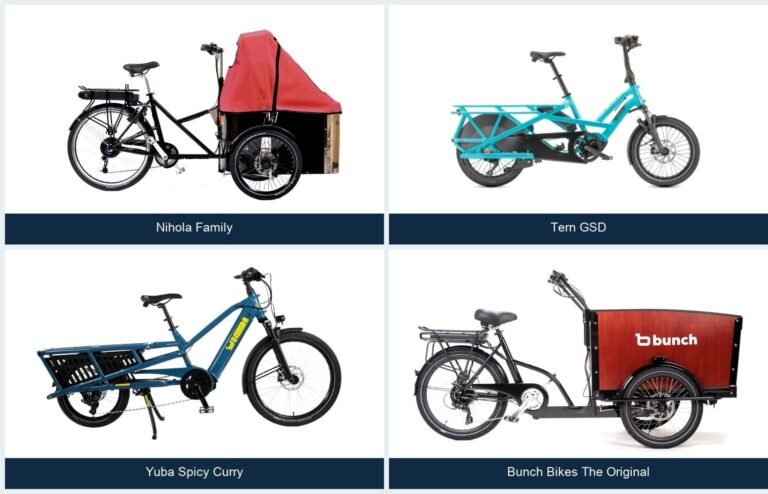
If you’re comparing e-cargo bikes for a family or fleet while you’re at it, our cargo bike buyer’s guide covers the practical differences between models.
A simple 5-step plan to get this sorted
- Put the data list into your purchase agreement.
- Register in your first markets before stock ships.
- Approve the labels at artwork stage.
- Give each model its own file, with an owner.
- Repeat the whole sequence for every new market, model or supplier.
That’s it — e-bike EPR compliance in five steps: data, labels, dates. EPR rewards the discipline that good sourcing already needs, knowing exactly what you put on the market, down to the gram.
Frequently asked questions
Can my manufacturer register for EPR on my behalf?
No. Registration follows the company placing goods on the market, and for imports that’s you. What the factory can do is give you the product, battery and packaging data your registrations are built on, plus correctly applied labels.
I’ve already shipped stock without this data. What now?
Sort it out before the schemes do: request current-production data from the manufacturer, weigh retained samples and packaging, and regularise your registrations promptly. Regulators respond far better to you fixing it than to discovering the gap themselves.
What if I only sell wholesale, or to trade customers?
You still need it. EPR applies to everything you put on the market, whether your buyers are families or businesses. Trade and wholesale sales raise their own classification questions — professional versus household equipment — and the same data answers them.
How often should I refresh the data?
Every time a production revision changes weight, materials, battery or packaging — and at least once a year, before you file. Tie the refresh to your product change process, not the declaration deadline.
Референции
- United Mobility — The EPR Data Checklist: What to Request from Your E-Bike Manufacturer Before Production Starts
- EUR-Lex — Regulation (EU) 2023/1542 on batteries and waste batteries
- EUR-Lex — Regulation (EU) 2025/40 on packaging and packaging waste
- legislation.gov.uk — Directive 2012/19/EU on waste electrical and electronic equipment (Annex IX marking symbol)
- GOV.UK — Register for extended producer responsibility for packaging
- stiftung ear — Applying for WEEE registration as a foreign company
- UNECE — UN Manual of Tests and Criteria, Section 38.3 (transport of dangerous goods)
- NEN — EN 50604-1: Secondary lithium batteries for light EV applications