
 DE
DE  EN
EN  NL
NL  IT
IT  FR
FR  ES
ES  PT
PT  DA
DA  SV
SV  FI
FI  CS
CS  EL
EL  HU
HU  ET
ET  BG
BG  PL
PL  JA
JA  KO
KO Zuletzt aktualisiert: Juni 2026
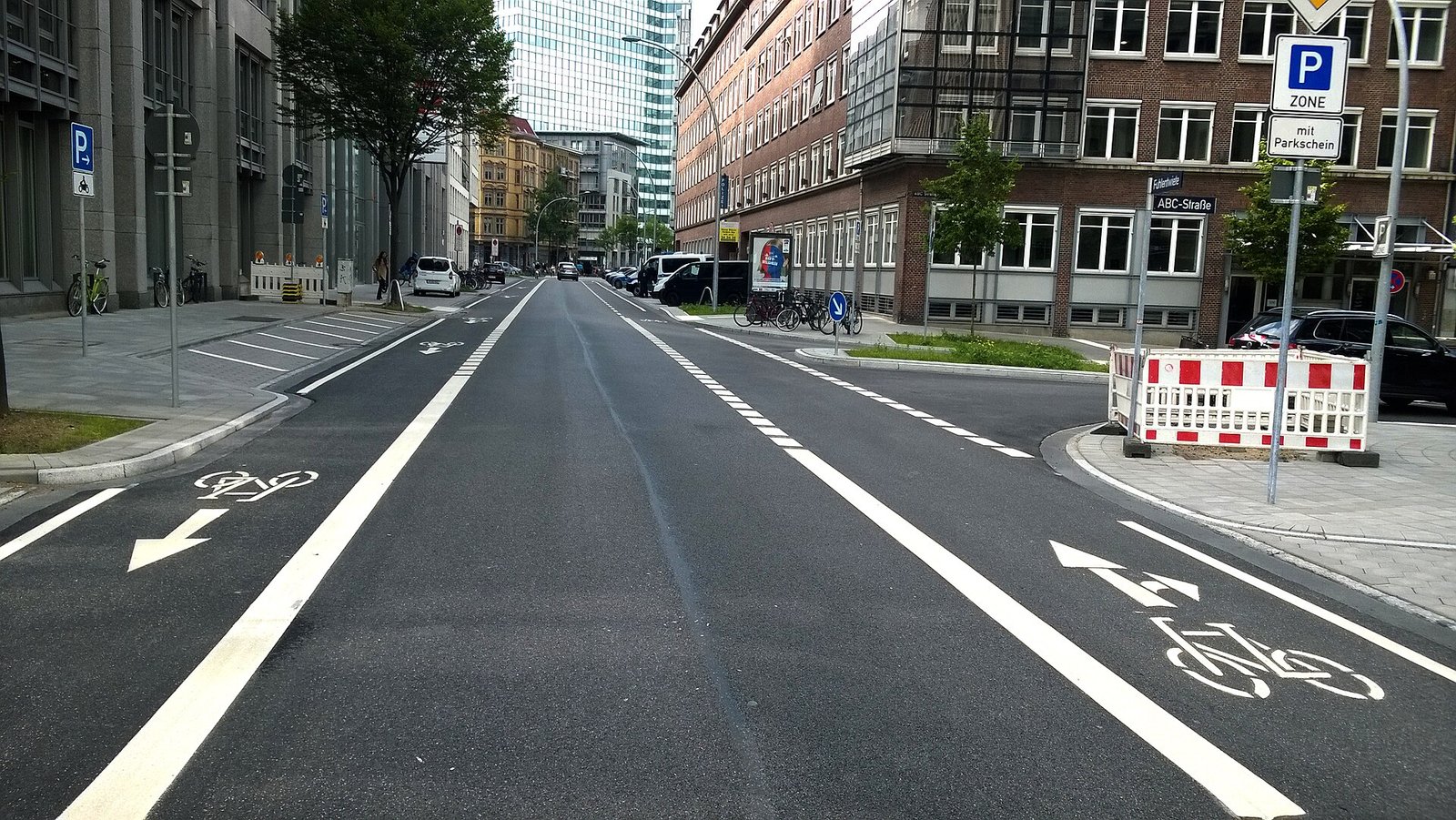
Für Touristen ist Deutschland ein fantastisches Land für E-Bike-Reisen, weil Züge, Flussrouten, städtische Radwege und regionale Radwege gut verbunden sind. Der Teil, der Verwirrung stiftet, ist das Vokabular. In Deutschland ist ein "Pedelec" das normale Tretunterstützungs-E-Bike, das die meisten Besucher möchten. Ein "S-Pedelec" ist ein schnelleres Fahrzeug mit einem sehr anderen Regelwerk.
Wenn Sie sich eine Sache merken, dann diese: Mieten Sie ein Standard-25-km/h-Pedelec, es sei denn, Sie möchten absichtlich die Pflichten eines schnelleren Speed-Pedelecs übernehmen.
Sind Elektrofahrräder in Deutschland legal?
Ja. Standard-Pedelecs sind in Deutschland legal, wenn der Motor nur beim Treten unterstützt, eine maximale Nenndauerleistung von 250 W hat und bei 25 km/h die Unterstützung stoppt. In dieser Form wird das Pedelec im Allgemeinen wie ein Fahrrad behandelt.
Das bedeutet: kein Kennzeichen, kein Führerschein und keine Kfz-Versicherung für ein normales Pedelec. Sie müssen trotzdem die Verkehrsregeln für Fahrräder befolgen, Ampeln und Schilder beachten, die vorgeschriebene Ausrüstung verwenden und verantwortungsvoll gegenüber Fußgängern fahren.
Was ist der Unterschied zwischen einem Pedelec und einem S-Pedelec?
Dies ist die wichtigste deutschlandspezifische Unterscheidung. Ein normales Pedelec unterstützt bis 25 km/h. Ein S-Pedelec kann bis 45 km/h unterstützen und wird nicht wie ein normales Fahrrad behandelt.
Ein S-Pedelec erfordert in der Regel ein Kennzeichen, eine Versicherung, einen geeigneten Führerschein und einen zugelassenen Helm. Es kann auch von vielen Radwegen ausgeschlossen sein, es sei denn, Schilder erlauben es. Für einen Touristen macht das ein S-Pedelec viel weniger praktisch als ein normales Miet-E-Bike.
Wenn ein Fahrradladen ein "Speed-Pedelec" anbietet, fragen Sie genau, wo es gefahren werden darf und welche Dokumente erforderlich sind. Gehen Sie nicht davon aus, dass es jeden Radweg nutzen kann.
Muss man einen Helm tragen?
Für ein Standard-25-km/h-Pedelec ist ein Helm in Deutschland nicht generell Pflicht. Für S-Pedelecs und andere mopedähnliche Elektrofahrzeuge gelten strengere und andere Helmregeln.
Auch wo ein Helm gesetzlich nicht vorgeschrieben ist, ist er für Besucher sinnvoll. Das Fahren in deutschen Städten kann Straßenbahnschienen, Lieferfahrzeuge, enge Straßen, Kopfsteinpflaster und schnelle lokale Pendler umfassen. Ein Helm ist besonders nützlich, wenn Sie neu in der Stadt sind oder mit Gepäck fahren.
Sind Fahrradlichter in Deutschland Pflicht?
Ja. Deutschland nimmt die Fahrradausrüstung ernst. Ihr Fahrrad sollte über konforme Front- und Rücklichter, Reflektoren, Bremsen und eine Klingel verfügen. Mietfahrräder erfüllen diese Anforderungen normalerweise, aber Touristen sollten vor Verlassen des Geschäfts trotzdem prüfen.
Das ist wichtig, weil Deutschland lange Sommerabende, dunkle Winternachmittage, Tunnel, Waldwege und plötzliche Wetteränderungen hat. Wenn Ihre Lichter batteriebetrieben sind, prüfen Sie, dass sie einschalten und fest an Ort und Stelle bleiben.
Dürfen Sie beim Radfahren ein Telefon benutzen?
Halten Sie während der Fahrt kein Mobiltelefon in der Hand. Verwenden Sie eine Lenkerhalterung für die Navigation oder halten Sie sicher an, bevor Sie die Route prüfen. Die deutsche Durchsetzung kann direkt sein, und Ablenkung ist einer der einfachsten Fehler für Touristen.
Wenn Sie in einer Gruppe fahren, entscheiden Sie vor der Fahrt, wer navigiert. Plötzliches Anhalten im Radweg, um auf ein Telefon zu schauen, kann lokale Fahrer irritieren und Kollisionsrisiken schaffen.
Wo sollten Sie in Deutschland ein E-Bike fahren?
Nutzen Sie markierte Radwege und Fahrradspuren, wo sie vorgeschrieben oder klar vorgesehen sind. Deutschland nutzt eine Mischung aus separaten Radwegen, markierten Spuren, gemeinsamen Bus-Rad-Spuren, Fahrradstraßen und normalen Straßen. Einige blaue Kreisschilder machen die Radwegnutzung verpflichtend, während andere Routen optional oder geteilt sind.
Fahren Sie nicht auf Gehwegen, es sei denn, Schilder erlauben es. Wenn ein Weg für Fußgänger und Fahrräder gemeinsam markiert ist, verlangsamen Sie und lassen Sie Abstand. Deutsche Fußgänger erwarten möglicherweise nicht, dass ein Tourist auf einem E-Bike lautlos in hoher Geschwindigkeit vorbeifährt.
Dürfen Sie Kinder oder Passagiere mitnehmen?
Kinder dürfen nur mit geeigneter Ausrüstung mitgenommen werden, wie einem zugelassenen Kindersitz, Anhänger oder Lastenrad-Setup. Nehmen Sie keinen zusätzlichen Erwachsenen auf einem Gepäckträger mit, es sei denn, das Fahrrad ist speziell für Passagiere gebaut.
Deutschland ist ein gutes Land für Familien-Lastenradfahren, aber dieselbe praktische Regel gilt überall: Das Fahrrad muss für die Last ausgelegt sein, und der Fahrer muss es beim Bremsen, Abbiegen und Anfahren am Berg kontrollieren können.
Dürfen Sie nach dem Trinken von Alkohol fahren?
Radfahren unter Einfluss kann in Deutschland zu Strafen führen. Das Risiko ist nicht nur rechtlich. Biergärten, Weinrouten und Langstrecken-Radtourismus können Fahrer dazu bringen, Müdigkeit und Alkohol zu unterschätzen.
Wenn Trinken Teil des Tages ist, halten Sie die Fahrt kurz, langsam und konservativ oder nutzen Sie öffentliche Verkehrsmittel für die Rückfahrt. Viele deutsche Regionen machen das einfach, weil Züge oft Radwege verbinden.
Wie sollten Sie ein E-Bike in Deutschland parken?
Nutzen Sie Fahrradständer und legale Parkbereiche. Blockieren Sie keine Eingänge, taktile Pflasterungen, Rollstuhlzugänge, Straßenbahnhaltestellen oder schmale Gehwege. In dichten Städten wie Berlin, Hamburg, München, Köln und Frankfurt kann unachtsames Parken Fußgänger verärgern und Durchsetzung anziehen.
Verwenden Sie ein starkes Schloss und sichern Sie den Rahmen. Wenn der E-Bike-Akku abnehmbar ist, fragen Sie den Verleih, ob Sie ihn bei langen Stopps entfernen sollen.
Was sollten Touristen vor dem Mieten überprüfen?
Fragen Sie den Verleih:
- Ist dies ein Standard-25-km/h-Pedelec oder ein S-Pedelec?
- Sind Lichter, Reflektoren, Klingel und Bremsen konform?
- Gibt es lokale Routen, auf denen E-Bikes eingeschränkt sind?
- Kann das Fahrrad in Züge mitgenommen werden?
- Was passiert, wenn der Akku schwach wird?
Dieser kurze Check verhindert die meisten Probleme. Deutschland ist leicht zu befahren, wenn die Fahrradkategorie klar ist.
Fazit: Sicheres E-Bike-Fahren in Deutschland
Die E-Bike-Regeln in Deutschland sind touristfreundlich, solange Sie das richtige Fahrrad wählen. Ein Standard-Pedelec verhält sich rechtlich wie ein Fahrrad, während ein Speed-Pedelec in eine stärker regulierte Kategorie fällt.
Nutzen Sie Lichter, bleiben Sie außerhalb von Gehwegen, es sei denn, es ist beschildert, montieren Sie Ihr Telefon, respektieren Sie Radwegschilder und fahren Sie vorhersehbar. Deutschland belohnt vorsichtige Fahrer mit einigen der besten Stadt- und Touringrouten in Europa.
Häufig gestellte Fragen
F1: Sind E-Bikes in Deutschland legal?
Ja. Standard-Pedelecs sind legal, wenn die Tretunterstützung auf 25 km/h begrenzt ist und die Motorleistung auf 250 W Nenndauerleistung begrenzt ist.
F2: Benötigen Touristen einen Führerschein für ein deutsches Pedelec?
Nein, nicht für ein normales 25-km/h-Pedelec. Schnellere S-Pedelecs haben andere Anforderungen.
F3: Ist ein Helm bei einem E-Bike in Deutschland Pflicht?
Im Allgemeinen nicht für ein Standard-Pedelec, aber er ist für schnellere mopedähnliche Kategorien wie S-Pedelecs erforderlich.
F4: Dürfen E-Bikes in Deutschland Radwege benutzen?
Standard-Pedelecs folgen in der Regel den Fahrradregeln. S-Pedelecs können von Radwegen ausgeschlossen sein, sofern Schilder sie nicht erlauben.
F5: Sind Lichter an deutschen E-Bikes erforderlich?
Ja. Ein Miet-E-Bike sollte über ordnungsgemäße Front- und Rücklichter, Reflektoren, Bremsen und eine Klingel verfügen.
Quellen
- Umweltbundesamt, "E-Bike und Pedelec": https://www.umweltbundesamt.de/umwelttipps-fuer-den-alltag/mobilitaet-reisen/e-bike-pedelec
- ADFC, "Elektroradtypen: Fahrrad oder Kraftfahrzeug?": https://www.adfc.de/artikel/elektroradtypen-fahrrad-oder-kraftfahrzeug
- Referenzstruktur überprüft: Aitour Ebikes, "Radfahren in den Niederlanden: Wesentliche Regeln und Tipps für Touristen": https://www.aitourebikes.com/blogs/aitour-blogs/cycling-in-the-netherlands-essential-rules-and-tips-for-tourists