
 ES
ES  EN
EN  DE
DE  NL
NL  IT
IT  FR
FR  PT
PT  DA
DA  SV
SV  FI
FI  CS
CS  EL
EL  HU
HU  ET
ET  BG
BG  PL
PL  JA
JA  KO
KO 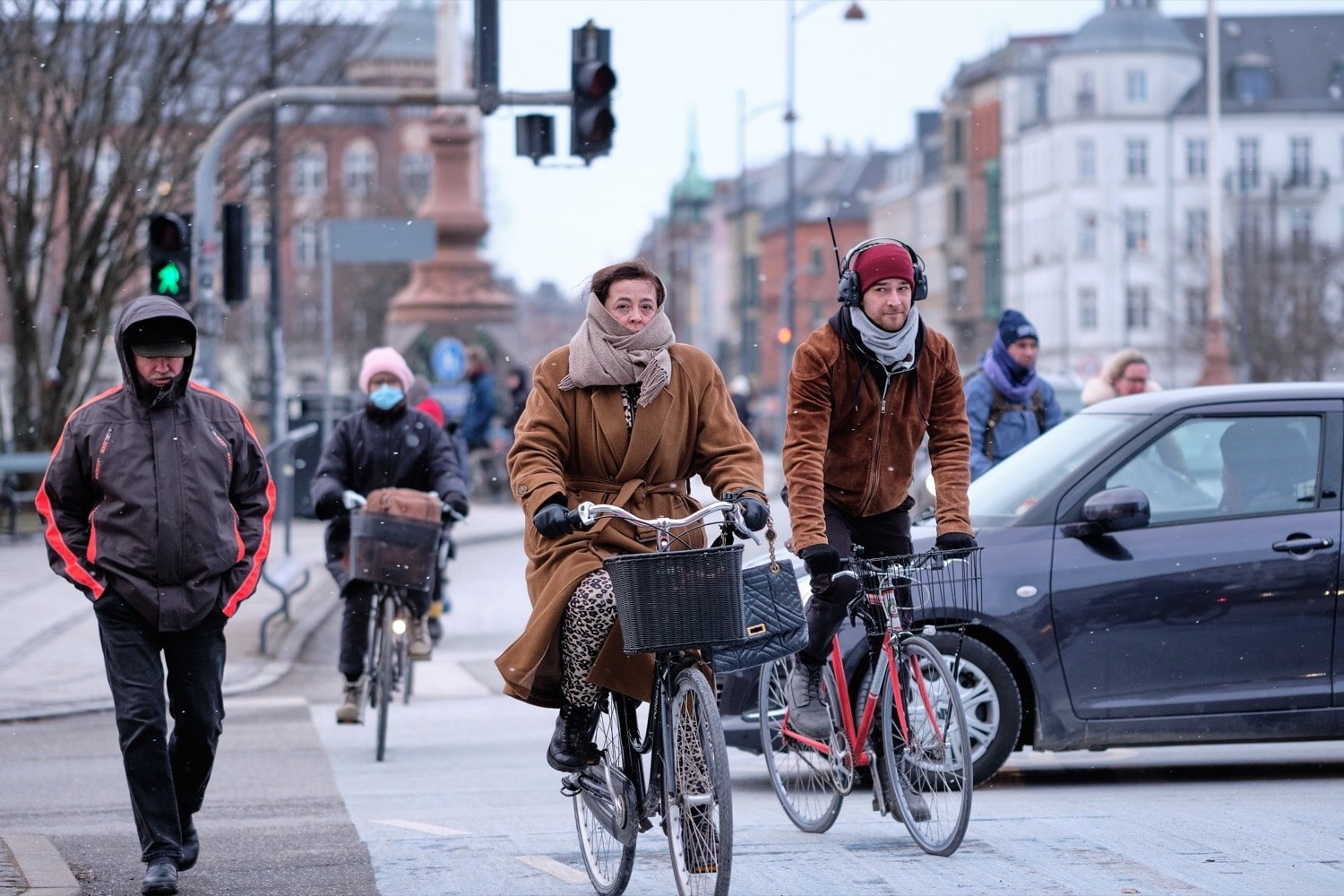
Denmark is the world’s second cycling nation — 15% of all trips happen by bike, and cycling to the shops is the country’s single most common form of everyday exercise. Yet only around half of Danes over 65 still own a bicycle, and when an older rider turns to the public system for a stable alternative, the municipality increasingly offers a mobility scooter instead of a trike.
The most cycling-proud welfare state in Europe has, in effect, built a system that retires its riders — and created a private retail market for everyone who refuses to be retired. This guide covers the data behind that gap, the three legal boxes that decide what you can get from the kommune, and what it takes to sell an electric trike in Denmark.
Why older Danes stop cycling (they don’t want to)
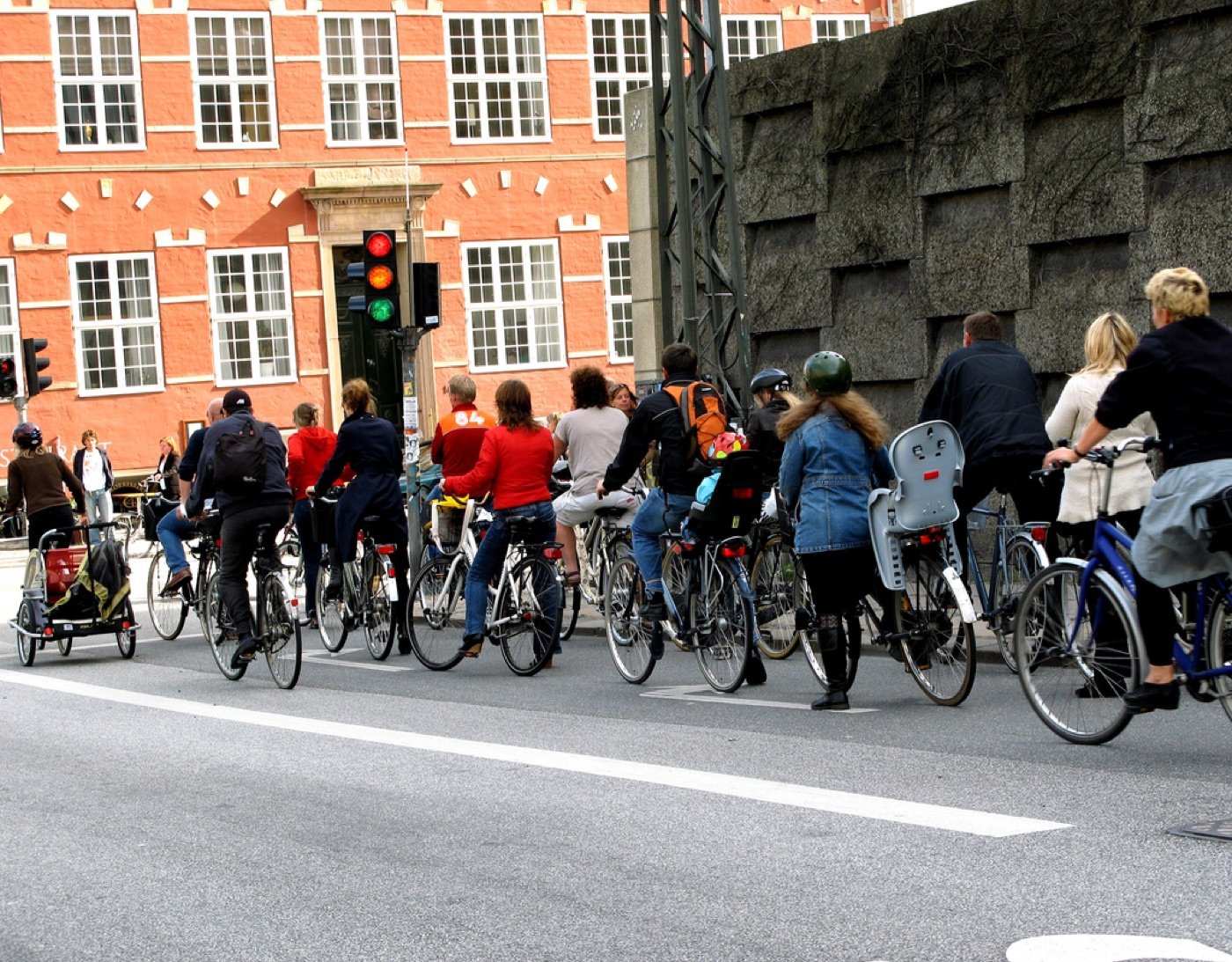
Start with how deep cycling runs here. Beyond the famous commuter numbers, the most widespread form of everyday movement in Denmark is not sport at all — it’s cycling to the shops and to see people, practised weekly by around four in ten Danes over 15. More than 80% of Danish adults have daily access to a bike. The e-bike wave has arrived on top of that base: imports have run past 100,000 units a year, much of it ridden by the 55+ group extending their range and flattening their headwinds.
Then look at the cliff. Overall bicycle ownership has been sliding for a decade — from 77% to 68% of Danes — but past 65 it drops to roughly one in two. Read alongside national travel research showing cycling’s decline concentrated among the young, and the picture inverts every lazy assumption: older Danes are among the most loyal riders in the country, right up until the vehicle stops fitting the rider. Two wheels demand a balance confidence that narrows with age; Danish winters and cargo-carrying make it worse. The desire survives. The format fails.
That gap — between a cycling identity that doesn’t retire and a vehicle that forces retirement — is the entire addressable market, and in Denmark it is unusually visible because the culture keeps people riding right up to the edge of it.
Can you get a trike through the kommune? Three boxes, one quiet bias
Denmark’s answer runs through serviceloven, the Social Services Act, and the national appeals board has sorted cycles into three legal categories:
- A three-wheeled cycle (trehjulet cykel), with or without a motor, is an assistive device under §112. A citizen with a permanently reduced ability to function can be granted one free of charge.
- An ordinary two-wheeled e-bike is a consumer good under §113, where support is partial at best.
- A cargo bike (ladcykel), with or without electric assist, is ordinary household goods — like a sofa. No support, ever.
So far, so generous — a free trike for those who qualify. Now the fine print that changes the commercial picture. A §112 grant is a loan: the municipality owns the vehicle. The applicant must demonstrate a lasting functional limitation — being an older rider who has grown unsteady is not, by itself, a case. And the municipality’s legal duty is only to provide the cheapest suitable solution. In day-to-day casework, that doctrine has acquired a direction: where a trike once might have been granted, the offer is increasingly an el-scooter, because it is cheaper for the kommune and satisfies the mobility need on paper.
On paper. What the el-scooter does not satisfy is the thing the applicant actually asked to keep: pedalling. The result is a system where the active 65–78 rider — the person this category exists for — is either rejected, offered a vehicle that ends their cycling, or offered the municipal standard model when what they wanted was something they’d be proud to park outside a café. All three outcomes send the same customer to the same place: the bike shop, paying privately, at full Danish VAT. There is no purchase subsidy in Denmark and no VAT relief; the retail price is the honest price, which suits a market that has never trusted discounts anyway.
“Vind i håret”: the register Danish marketing has to hit
Denmark is where Cycling Without Age was founded — the Copenhagen movement whose credo, retten til vind i håret (the right to wind in your hair), has since travelled the world. That phrase is the emotional centre of this market, and it carries a serious lesson: in Denmark, a trike is not sold as compensation for what a person has lost. It is sold as the continuation of who they are.
Concretely, that shapes the copy and the product in equal measure:
- Person-first, capability-first language. Danish public discourse speaks of mennesker med nedsat funktionsevne — people with reduced mobility — and of what a device enables, never what its rider lacks. Marketing that leads with frailty will simply not be forgiven here.
- Design is trust. Danish buyers read minimalism as quality and visual noise as doubt. A de-medicalised, city-bike design language isn’t a preference in this market — it is the qualifying standard. A trike whose seated, step-in geometry solves the balance problem quietly, without announcing a diagnosis, is exactly what works.
- The el-scooter is the anti-brand. The sharpest positioning is the fork in the road: keep pedalling, or stop. Danish culture has already written that copy — the trike is the vehicle of wind in your hair; the scooter is the vehicle of the kommune’s spreadsheet.
What to stock, and how to sell it
Product. Winter-rated componentry (sealed electrics, corrosion resistance, tyres for wet cobbles and slush), a parking brake for sloped harbour towns, and a footprint that fits Danish cycle tracks and courtyard sheds. Cargo capacity matters more than elsewhere — Danes shop by bike — but remember the legal taxonomy: a product that reads as a cargo bike falls into the “sofa” box and loses even the residual public-funding narrative; a product that reads as a stable personal cycle keeps the assistive-device association and its legitimacy. Our guía de bicicletas de carga de tres ruedas is a useful reference for how these categories play out in practice.
Channel. Denmark’s dealer landscape is compact and quality-led: strong independent bike shops with deep service culture, plus a specialist mobility-dealer tier serving the §112 tenders. The commercial centre of gravity for a new entrant is the first group — retail — with the second as a later, tender-driven add-on. In a country of 5.9 million, twenty well-chosen dealers are national coverage. The briefing point for each of them is the test ride, because Danish buyers do not buy stability claims — they sit on them.
Price. No subsidy, 25% VAT, no relief — and, helpfully, no incumbent price umbrella either. Today’s imported adapted trikes carry price tags set for insurance-funded markets abroad, so a credible mid-priced trike enters under that umbrella with room to hold margin.
Engineering for the most demanding small market in Europe
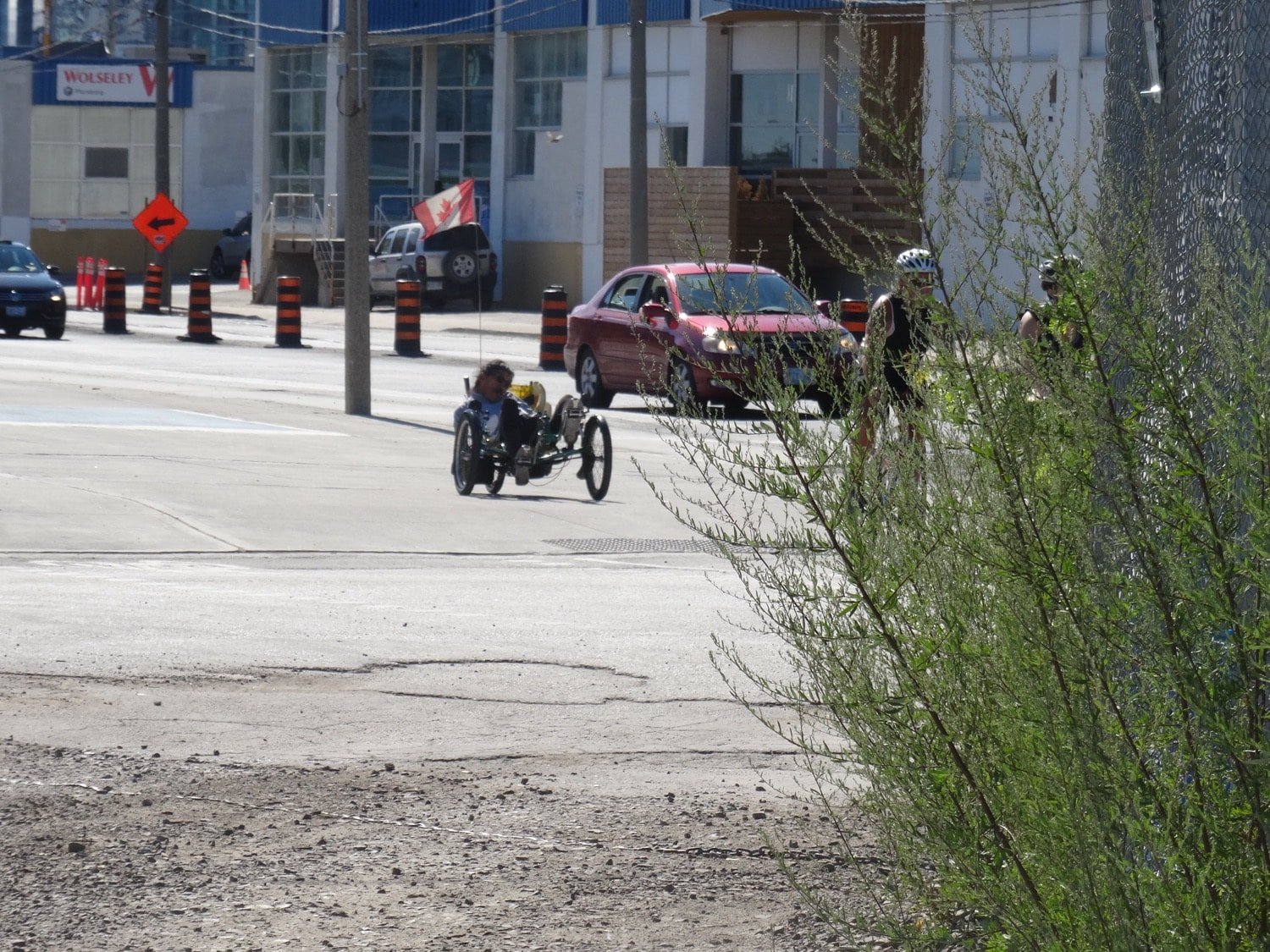
Denmark rewards exactness. A market this design-literate, this weather-serious and this allergic to medical framing will expose a catalogue product immediately — and reward a considered one for years, because Danish buyers are loyal to whatever earns their trust.
If you’re choosing a trike rather than selling them, the same rules apply in miniature: sit on it, read the spec sheet for real numbers rather than adjectives, and buy the thing you’d be proud to park outside a café. Our guía de las mejores e-bikes para personas mayores covers the practical criteria this category needs.
Preguntas frecuentes
Can you get an electric trike through the kommune in Denmark?
Sometimes. Under serviceloven §112, a three-wheeled cycle — with or without a motor — is classed as an assistive device and can be granted free of charge to a citizen with a permanently reduced ability to function. But the grant is a loan (the municipality owns it), age-related unsteadiness alone rarely qualifies, and the “cheapest suitable solution” rule increasingly results in a mobility scooter being offered instead. Most active riders over 60 buy privately.
Why is a cargo bike treated differently from a trike in Denmark?
Danish case law places cycles in three categories: a three-wheeled cycle is an assistive device (§112), an ordinary e-bike is a consumer good (§113), and a cargo bike — electric or not — is ordinary household property, with no public support at all. Where a product sits in that taxonomy shapes both its funding story and its positioning.
Is there any purchase subsidy or VAT relief for e-trikes in Denmark?
No. Denmark has a flat 25% VAT with no reduced rates and no national purchase subsidy for e-bikes or trikes. The Danish market is a pure retail market — which also means no incumbent enjoys a funding advantage.
Why choose an electric trike over a mobility scooter?
An el-scooter meets a transport need; a trike keeps a person cycling — pedalling, exercising, and staying inside a cycling culture that Danes describe as wind in the hair. For anyone who can turn the pedals, the trike continues an identity the scooter would end.
What should a buyer or distributor look for in the Danish and Nordic markets?
Winter-rated engineering, documented step-in and boarding geometry, EN 15194 conformity, understated design language, and the ability to configure for Nordic specifications. The test ride decides most sales in Denmark — the spec sheet decides the test ride.
Referencias
- Vejdirektoratet (Danish Road Directorate) — Danmark har fået sit eget nationale cykelregnskab
- Ankestyrelsen — Principmeddelelse: cycles as assistive devices under the Social Services Act
- HMI-basen — Municipal practice moving from trikes toward mobility scooters
- United Mobility — Electric Trike for Seniors in Denmark
- Cycling Without Age — The right to wind in your hair