 PL
PL  EN
EN  DE
DE  NL
NL  IT
IT  FR
FR  ES
ES  PT
PT  DA
DA  SV
SV  FI
FI  CS
CS  EL
EL  HU
HU  ET
ET  BG
BG  JA
JA  KO
KO 
Rejestracja EPR brzmi jak weekend papierkowej roboty. W praktyce to zestaw decyzji: które rejestry są potrzebne, w których krajach i kto jest prawnie uprawniony do prowadzenia tych rejestracji za Ciebie. Dla importera e-rowerów sprzedającego do Europy, rejestracja EPR dla e-rowerów oznacza około dwudziestu relacji administracyjnych na siedmiu rynkach — WEEE, baterie i opakowania, razy każdy kraj, do którego sprzedajesz.
Dobra wiadomość jest taka, że każdy kraj stosuje ten sam szkielet, więc uczysz się tego tylko raz. Ten przewodnik mapuje, gdzie marki e-rowerów rejestrują się w Niemczech, Francji, Holandii, Belgii, Danii, Hiszpanii i Wielkiej Brytanii, do czego służy każdy rejestr oraz miejsca, w których firmy zagraniczne są prawnie zobowiązane do wyznaczenia lokalnego przedstawiciela.
Jak działa rejestracja EPR (ten sam szkielet w każdym kraju)
Każdy europejski system EPR ma trzy części:
- Wpis do rejestru który nadaje Ci numer producenta dla danego strumienia.
- Członkostwo w systemie zbiórki lub odzysku — organizacji, która faktycznie zajmuje się fizycznymi odpadami.
- Roczna (czasem częstsza) deklaracja ilościowa — co wprowadziłeś na rynek, w jednostkach lub kilogramach.
To, co różni się między krajami, to liczba rejestrów, kto je prowadzi, czy potrzebujesz lokalnego przedstawiciela oraz jak agresywnie platformy i organy sprawdzają. Szybka mapa:
| Kraj | WEEE | Baterie | Opakowania | Lokalny przedstawiciel dla sprzedawców zagranicznych |
|---|---|---|---|---|
| Niemcy | Stiftung EAR (numer WEEE) | Rejestr baterii w Stiftung EAR | Rejestr LUCID + umowa z systemem dualnym | Wymagany bez niemieckiego oddziału (WEEE) |
| Francja | Członkostwo w eco-organisme, IDU przez ADEME | Zatwierdzone eco-organisme ds. baterii, własne IDU | Citeo (gospodarstwa domowe) / zatwierdzony system, własne IDU | Mandataire wymagany dla firm spoza Francji |
| Holandia | Stichting OPEN | Stibat | Verpact | Wymagany dla sprzedawców zdalnych spoza NL; sprawdź dla każdego strumienia |
| Belgia | Recupel | Bebat | Fost Plus (gospodarstwa domowe) / Valipac (komercyjne) | Sprawdź dla każdego strumienia; obowiązują niuanse regionalne |
| Dania | Rejestr DPA | Rejestr DPA | Rejestr DPA (EPR wprowadzany stopniowo od 2025) | Wymagany dla zagranicznych producentów bez duńskiego oddziału |
| Hiszpania | Rejestr RII-AEE | Rejestr producentów baterii | Rejestr producentów opakowań (RD 1055/2022) | Wymagany autoryzowany przedstawiciel |
| Wielka Brytania | System zgodności producentów, rejestracja w agencjach środowiskowych | System zgodności baterii | pEPR — raportowanie danych + opłaty za utylizację dla większych producentów | W praktyce potrzebne biuro w UK lub ustalenia z przedstawicielem |
Wielka Brytania: ten sam pomysł, osobny świat
Wielka Brytania jest poza ramami UE, więc nic z Twoich rejestracji w UE się nie przenosi. Producenci sprzętu elektrycznego rejestrują się przez system zgodności producentów w agencjach środowiskowych; producenci baterii dołączają do systemu zgodności baterii; a zreformowany EPR dla opakowań (pEPR) wymaga raportowania danych o opakowaniach przez rządowy serwis, przy czym więksi producenci płacą opłaty za utylizację, które zaczęły obowiązywać w 2025.
Progi mają znaczenie: obowiązki w UK zależą od wielkości, więc mniejsi producenci mają lżejsze obowiązki. Ustal, po której stronie progów znajdą się Twoje wolumeny z pierwszego roku, zanim zaczniesz — i pamiętaj, że nawet jeśli przepisy UK wyglądają znajomo, kategorie etykietowania i danych różnią się szczegółami od praktyki UE. Nasz weekly roundup of UK and European e-bike regulation news keeps track of the changes.
Germany: three registers, zero tolerance for selling first
Germany runs its three streams as three genuinely separate systems, and all three share one hard rule: register before the first unit is offered for sale. Offering, not just selling, is enough to trigger the obligation.
For the vehicle, registration with Stiftung EAR under the ElektroG gives you a WEEE number that must appear on invoices and that marketplaces verify. Foreign companies without a German establishment appoint an authorised representative to hold the registration. The battery register — also at Stiftung EAR — is separate and covers the packs in your bikes plus any spares sold alone. Packaging runs through the LUCID register operated by the ZSVR, paired with a contract with a licensed dual system; the volumes you declare in LUCID and the volumes you license with the dual system must match, which is exactly where missing factory data turns into declaration errors.
German marketplaces have enforced EPR numbers since 2022, and the enforcement is commercial before it is legal: listings get deactivated. Put the German registrations on the critical path of your launch, ahead of stock arrival — approval at EAR can take weeks. For the rules of the road once you’re selling there, see our e-bike cycling rules in Germany przewodnikiem.
France: one ID per stream, and a representative is non-negotiable
France organises EPR through ADEME, which issues a unique identifier (IDU) per company per stream. An e-bike brand typically ends up holding several: one for electrical equipment, one for batteries, one for packaging. Each IDU is obtained through membership of an approved eco-organisme for that stream — Ecologic for electrical equipment, Citeo for household packaging, and the approved battery organisations for packs.
Membership is not decorative. Without a signed contract with an approved scheme, the products may not legally be sold in France.
Two French specifics trip up bike businesses. First, companies not established in France must appoint a French authorised representative (mandataire) — this applies to EU companies without a French branch, not just non-EU sellers. Second, France runs a dedicated stream for sport and leisure articles (ASL, managed by Ecologic) covering conventional, non-motorised cycles. So a brand selling both electric and non-electric bikes registers the electric models under electrical equipment and the non-electric ones under ASL — mixing these up is one of the most common French declaration errors in the bike trade. France also requires the Triman logo and sorting information on consumer products and packaging, a labelling point to settle at artwork stage rather than after printing.
The Netherlands and Belgium: tidy schemes, fewer surprises
The Dutch system is comparatively tidy: Stichting OPEN handles producer responsibility for electrical equipment, Stibat for batteries, and Verpact (successor to the Afvalfonds) for packaging. Small-volume thresholds exist, but many bike importers blow past them quickly given the packaging weight per unit.
Belgium mirrors the structure: Recupel for electrical equipment, Bebat for batteries — one of Europe’s oldest battery schemes — and a packaging split between Fost Plus for household packaging and Valipac for commercial and industrial packaging. That split matters in practice: pallets and transport packaging to dealers are treated differently from the retail carton that reaches an end customer, so your declaration structure should reflect your actual distribution model rather than a guess.
Denmark: one front door
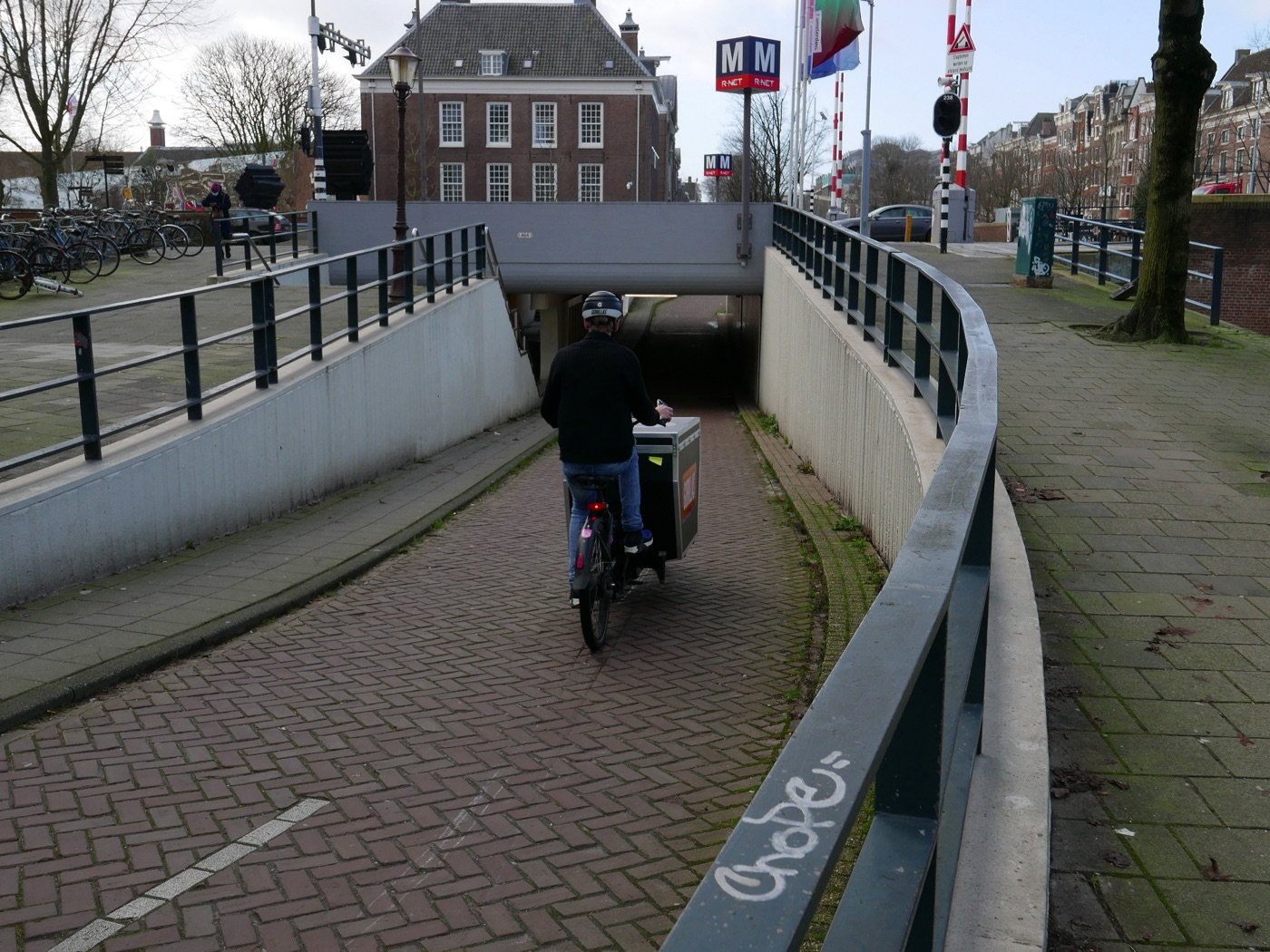
Denmark is administratively the friendliest of the group. Dansk Producentansvar (DPA) operates the producer registers for electrical equipment and batteries in one place, and packaging EPR — phased in from 2024–2025 in line with EU requirements — is administered through the same structure. Foreign producers without a Danish establishment appoint a local representative.
For a brand entering the Nordics, Denmark’s consolidated register makes it a sensible first market operationally, whatever the commercial logic of your entry sequence says.
Spain: newer packaging rules, allow extra time
Spain requires registration in the RII-AEE register for electrical equipment and, since Royal Decree 1055/2022, in a producer register for packaging, alongside battery producer registration. Non-Spanish companies act through an authorised representative.
Spain’s packaging rules are newer than Germany’s or France’s, and reporting expectations have been tightening year on year. Budget more lead time for the first declarations than the register’s formal deadlines suggest — the paperwork is rarely the bottleneck; the data is.
Sequencing a multi-country launch (the bit everyone gets wrong)
Registering in seven countries across three streams is roughly twenty separate administrative relationships. Importers who manage this well do three things:
- Sequence market entry. Complete registrations for the first one or two markets before stock ships, rather than retrofitting compliance after sales begin.
- Centralise the product data. One master file per model holding unit weight, battery data and packaging composition, maintained from manufacturer documentation, so every national declaration draws on the same numbers.
- Decide early whether to run registrations in-house or through a pan-European compliance provider. Providers cost money but collapse twenty relationships into one, which is usually worth it beyond two or three markets.
All three habits depend on the same upstream input: complete, per-model manufacturer data. If packaging is your biggest weight line, the cargo box materials guide is a useful starting point for understanding what you’re actually placing on the market; for the battery side, our e-bike battery management explainer walks through what the numbers mean.
Frequently asked questions
Which country should I register in first?
The one where you will first offer products for sale. The obligation attaches to offering on that national market, not to where your warehouse sits. If stock lands in Germany but first sales are in the Netherlands, the Dutch registrations come first.
Do I need an authorised representative in every country?
Not in every country, but in several. France requires a mandataire for any company without a French establishment, Germany requires one for WEEE without a German branch, and Spain and Denmark have comparable requirements. The pattern: the further you are from having a local entity, the more likely a representative is mandatory.
Are the fees significant?
Fees are volume-based — per kilogram or per unit placed on the market — plus fixed register and scheme charges. For bikes, the packaging stream is often the largest line because of per-unit packaging weight. The economically dangerous cost is not the fee schedule but late registration, which brings back-payments and potential fines on everything already sold.
Does EU assembly change my EPR obligations?
No. EPR attaches to placing products on a national market regardless of where they were assembled. Assembly location affects customs and duty treatment, which is a separate consideration in landed-cost planning.
Odniesienia
- GOV.UK — Electrical and electronic equipment (EEE): producer responsibility
- GOV.UK — Packaging producer responsibilities
- stiftung ear — Applying for WEEE registration as a foreign company
- ZSVR — LUCID packaging register
- ADEME — Filières REP (recycling producer responsibility schemes)
- Stichting OPEN — Producer responsibility for electrical equipment in the Netherlands
- Recupel — Belgian WEEE compliance scheme
- Dansk Producentansvar — Danish producer responsibility registers
- MITECO — Spanish producer responsibility registers
- United Mobility — EPR Registration Country by Country