 SV
SV  EN
EN  DE
DE  NL
NL  IT
IT  FR
FR  ES
ES  PT
PT  DA
DA  FI
FI  CS
CS  EL
EL  HU
HU  ET
ET  BG
BG  PL
PL  JA
JA  KO
KO 
EPR-registrering låter som en helg av pappersarbete. I praktiken är det en uppsättning beslut: vilka register du behöver, i vilka länder, och vem som lagligen får inneha dessa registreringar åt dig. För en e-cykelimportör som säljer in i Europa innebär EPR-registrering för e-cyklar ungefär tjugo administrativa relationer över sju marknader — WEEE, batterier och förpackningar, gånger varje land du säljer till.
Den goda nyheten är att varje land följer samma skelett, så du lär dig detta bara en gång. Denna guide kartlägger var e-cykelmärken registrerar sig i Tyskland, Frankrike, Nederländerna, Belgien, Danmark, Spanien och Storbritannien, vad varje register är till för, och de platser där utländska företag lagligen är skyldiga att utse en lokal representant.
Hur EPR-registrering fungerar (samma skelett i varje land)
Varje europeiskt EPR-system har tre delar:
- En registerpost som ger dig ett producentnummer för den strömmen.
- Medlemskap i ett insamlings- eller återvinningssystem — organisationen som faktiskt hanterar det fysiska avfallet.
- En årlig (ibland oftare) kvantitetsdeklaration — vad du har släppt ut på marknaden, i enheter eller kilogram.
Det som skiljer sig mellan länder är hur många register det finns, vem som driver dem, om du behöver en lokal representant, och hur aggressivt marknadsplatser och myndigheter kontrollerar. Den snabba kartan:
| Land | WEEE | Batterier | Förpackningar | Lokal representant för utländska säljare |
|---|---|---|---|---|
| Tyskland | Stiftung EAR (WEEE-nummer) | Batteriregister hos Stiftung EAR | LUCID-register + dual system-avtal | Krävs utan en tysk filial (WEEE) |
| Frankrike | Eco-organisme-medlemskap, IDU via ADEME | Godkänd batteri-eco-organisme, egen IDU | Citeo (hushåll) / godkänt system, egen IDU | Mandataire krävs för icke-franska företag |
| Nederländerna | Stichting OPEN | Stibat | Verpact | Krävs för icke-nederländska distanssäljare; kontrollera per ström |
| Belgien | Recupel | Bebat | Fost Plus (hushåll) / Valipac (kommersiellt) | Kontrollera per ström; regionala nyanser gäller |
| Danmark | DPA-register | DPA-register | DPA-register (EPR fasas in från 2025) | Krävs för utländska producenter utan en dansk etablering |
| Spanien | RII-AEE-register | Batteriproducentregister | Förpackningsproducentregister (RD 1055/2022) | Auktoriserad representant krävs |
| Storbritannien | Producentefterlevnadssystem, miljömyndighetsregistrering | Batteriefterlevnadssystem | pEPR — datarapportering + avfallshanteringsavgifter för större producenter | Storbritannisk etablering eller representantarrangemang behövs i praktiken |
Storbritannien: samma idé, separat universum
Storbritannien är utanför EU-ramverket, så inget från dina EU-registreringar överförs. Producenter av elektrisk utrustning registrerar sig genom ett producentefterlevnadssystem med miljömyndigheterna; batteriproducenter går med i ett batteriefterlevnadssystem; och den reformerade förpacknings-EPR (pEPR) kräver datarapportering för förpackningar genom den statliga tjänsten, med större producenter som betalar avfallshanteringsavgifter som började landa 2025.
Tröskelvärdena spelar roll: Storbritanniens skyldigheter är storleksbaserade, så mindre producenter har lättare krav. Räkna ut vilken sida av tröskelvärdena dina första årsvolymer hamnar på innan du börjar — och kom ihåg att även där brittiska regler ser bekanta ut, skiljer sig märkning och datakategorier i detalj från EU-praxis. Vår weekly roundup of UK and European e-bike regulation news keeps track of the changes.
Germany: three registers, zero tolerance for selling first
Germany runs its three streams as three genuinely separate systems, and all three share one hard rule: register before the first unit is offered for sale. Offering, not just selling, is enough to trigger the obligation.
For the vehicle, registration with Stiftung EAR under the ElektroG gives you a WEEE number that must appear on invoices and that marketplaces verify. Foreign companies without a German establishment appoint an authorised representative to hold the registration. The battery register — also at Stiftung EAR — is separate and covers the packs in your bikes plus any spares sold alone. Packaging runs through the LUCID register operated by the ZSVR, paired with a contract with a licensed dual system; the volumes you declare in LUCID and the volumes you license with the dual system must match, which is exactly where missing factory data turns into declaration errors.
German marketplaces have enforced EPR numbers since 2022, and the enforcement is commercial before it is legal: listings get deactivated. Put the German registrations on the critical path of your launch, ahead of stock arrival — approval at EAR can take weeks. For the rules of the road once you’re selling there, see our e-bike cycling rules in Germany guide.
France: one ID per stream, and a representative is non-negotiable
France organises EPR through ADEME, which issues a unique identifier (IDU) per company per stream. An e-bike brand typically ends up holding several: one for electrical equipment, one for batteries, one for packaging. Each IDU is obtained through membership of an approved eco-organisme for that stream — Ecologic for electrical equipment, Citeo for household packaging, and the approved battery organisations for packs.
Membership is not decorative. Without a signed contract with an approved scheme, the products may not legally be sold in France.
Two French specifics trip up bike businesses. First, companies not established in France must appoint a French authorised representative (mandataire) — this applies to EU companies without a French branch, not just non-EU sellers. Second, France runs a dedicated stream for sport and leisure articles (ASL, managed by Ecologic) covering conventional, non-motorised cycles. So a brand selling both electric and non-electric bikes registers the electric models under electrical equipment and the non-electric ones under ASL — mixing these up is one of the most common French declaration errors in the bike trade. France also requires the Triman logo and sorting information on consumer products and packaging, a labelling point to settle at artwork stage rather than after printing.
The Netherlands and Belgium: tidy schemes, fewer surprises
The Dutch system is comparatively tidy: Stichting OPEN handles producer responsibility for electrical equipment, Stibat for batteries, and Verpact (successor to the Afvalfonds) for packaging. Small-volume thresholds exist, but many bike importers blow past them quickly given the packaging weight per unit.
Belgium mirrors the structure: Recupel for electrical equipment, Bebat for batteries — one of Europe’s oldest battery schemes — and a packaging split between Fost Plus for household packaging and Valipac for commercial and industrial packaging. That split matters in practice: pallets and transport packaging to dealers are treated differently from the retail carton that reaches an end customer, so your declaration structure should reflect your actual distribution model rather than a guess.
Denmark: one front door
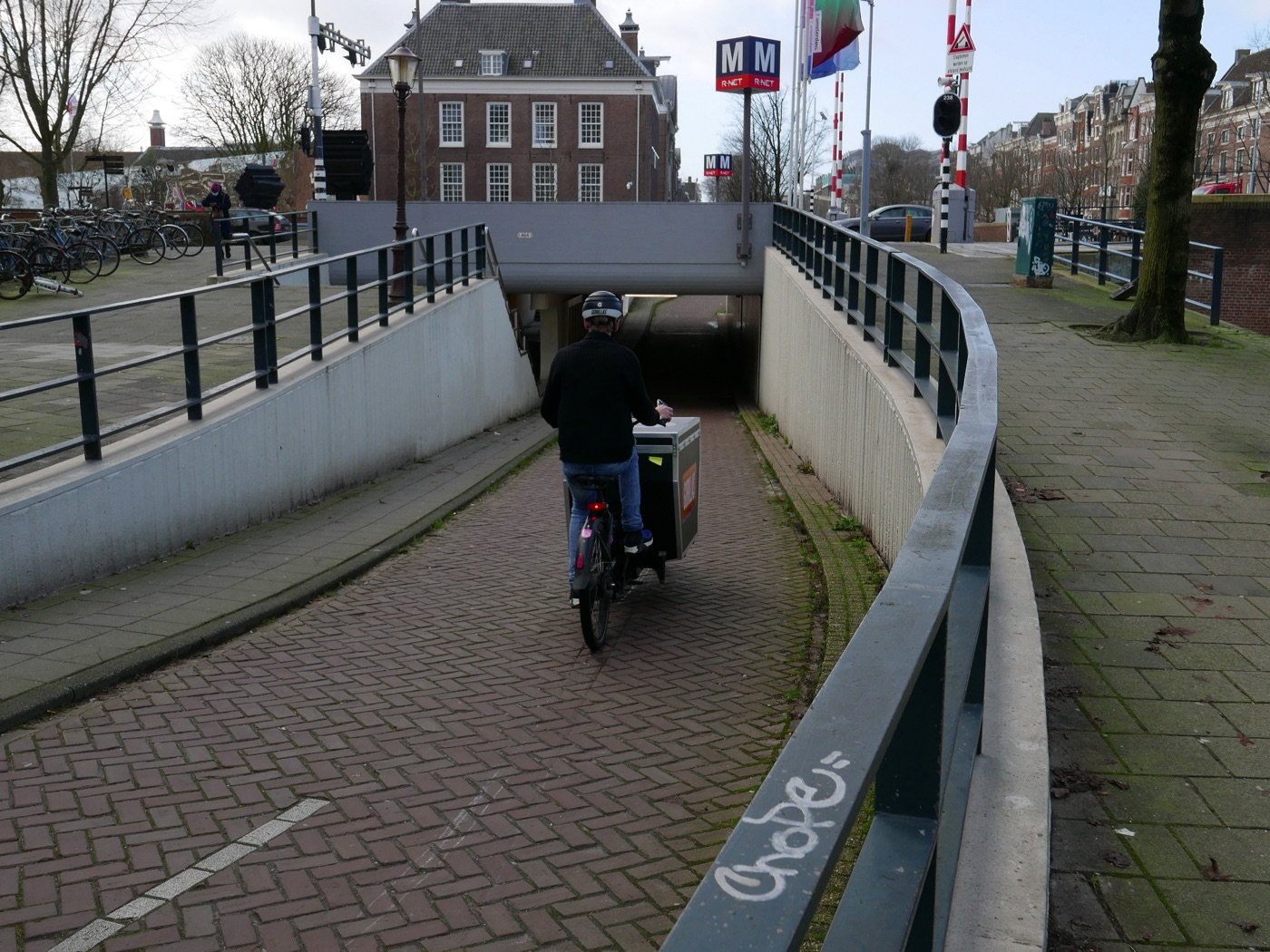
Denmark is administratively the friendliest of the group. Dansk Producentansvar (DPA) operates the producer registers for electrical equipment and batteries in one place, and packaging EPR — phased in from 2024–2025 in line with EU requirements — is administered through the same structure. Foreign producers without a Danish establishment appoint a local representative.
For a brand entering the Nordics, Denmark’s consolidated register makes it a sensible first market operationally, whatever the commercial logic of your entry sequence says.
Spain: newer packaging rules, allow extra time
Spain requires registration in the RII-AEE register for electrical equipment and, since Royal Decree 1055/2022, in a producer register for packaging, alongside battery producer registration. Non-Spanish companies act through an authorised representative.
Spain’s packaging rules are newer than Germany’s or France’s, and reporting expectations have been tightening year on year. Budget more lead time for the first declarations than the register’s formal deadlines suggest — the paperwork is rarely the bottleneck; the data is.
Sequencing a multi-country launch (the bit everyone gets wrong)
Registering in seven countries across three streams is roughly twenty separate administrative relationships. Importers who manage this well do three things:
- Sequence market entry. Complete registrations for the first one or two markets before stock ships, rather than retrofitting compliance after sales begin.
- Centralise the product data. One master file per model holding unit weight, battery data and packaging composition, maintained from manufacturer documentation, so every national declaration draws on the same numbers.
- Decide early whether to run registrations in-house or through a pan-European compliance provider. Providers cost money but collapse twenty relationships into one, which is usually worth it beyond two or three markets.
All three habits depend on the same upstream input: complete, per-model manufacturer data. If packaging is your biggest weight line, the cargo box materials guide is a useful starting point for understanding what you’re actually placing on the market; for the battery side, our e-bike battery management explainer walks through what the numbers mean.
Frequently asked questions
Which country should I register in first?
The one where you will first offer products for sale. The obligation attaches to offering on that national market, not to where your warehouse sits. If stock lands in Germany but first sales are in the Netherlands, the Dutch registrations come first.
Do I need an authorised representative in every country?
Not in every country, but in several. France requires a mandataire for any company without a French establishment, Germany requires one for WEEE without a German branch, and Spain and Denmark have comparable requirements. The pattern: the further you are from having a local entity, the more likely a representative is mandatory.
Are the fees significant?
Fees are volume-based — per kilogram or per unit placed on the market — plus fixed register and scheme charges. For bikes, the packaging stream is often the largest line because of per-unit packaging weight. The economically dangerous cost is not the fee schedule but late registration, which brings back-payments and potential fines on everything already sold.
Does EU assembly change my EPR obligations?
No. EPR attaches to placing products on a national market regardless of where they were assembled. Assembly location affects customs and duty treatment, which is a separate consideration in landed-cost planning.
Referenser
- GOV.UK — Electrical and electronic equipment (EEE): producer responsibility
- GOV.UK — Packaging producer responsibilities
- stiftung ear — Applying for WEEE registration as a foreign company
- ZSVR — LUCID packaging register
- ADEME — Filières REP (recycling producer responsibility schemes)
- Stichting OPEN — Producer responsibility for electrical equipment in the Netherlands
- Recupel — Belgian WEEE compliance scheme
- Dansk Producentansvar — Danish producer responsibility registers
- MITECO — Spanish producer responsibility registers
- United Mobility — EPR Registration Country by Country