
 PT
PT  EN
EN  DE
DE  NL
NL  IT
IT  FR
FR  ES
ES  DA
DA  SV
SV  FI
FI  CS
CS  EL
EL  HU
HU  ET
ET  BG
BG  PL
PL  JA
JA  KO
KO Última atualização: junho de 2026
O Canadá é um país grande com regras provinciais para e-bikes, não uma única regra nacional simples para turistas. Ontário, Colúmbia Britânica, Quebec, Alberta, Nova Escócia e outras províncias podem diferir em idade, capacetes, acesso a trilhas, tratamento do acelerador e equipamentos.
Dito isso, turistas podem pedalar com confiança se usarem uma e-bike de aluguel em conformidade, permanecerem abaixo do limite de velocidade assistida local e perguntarem à loja de aluguel sobre restrições da cidade ou trilhas. O Canadá é muito pedalável, mas os detalhes legais são mais baseados em províncias do que em muitos países europeus.
As Bicicletas Elétricas São Legais no Canadá?
Sim. As e-bikes são legais no Canadá quando atendem às regras provinciais. Em muitas províncias, o padrão legal comum é uma bicicleta assistida por motor com pedais funcionais, um motor elétrico não superior a 500W e assistência do motor que não impulsione a bicicleta a mais de 32 km/h.
O aviso importante é que o Canadá não é os Estados Unidos. Muitas e-bikes dos EUA são vendidas com motores de 750W e configurações Classe 3. Essas especificações podem não se adequar às regras provinciais canadenses. Se você estiver trazendo uma bicicleta através da fronteira ou alugando de um proprietário particular, verifique a etiqueta e a lei local.
Você Precisa de Licença, Placa ou Seguro?
Para uma e-bike em conformidade, os ciclistas geralmente não precisam de carteira de motorista, placa de licença ou seguro de veículo motorizado. A bicicleta geralmente é tratada mais como uma bicicleta do que uma lambreta.
Isso pode mudar se a bicicleta for superpotente, rápida demais, sem pedais, modificada ou com formato e operação mais parecidos com uma motocicleta. Ontário, por exemplo, avisa claramente que remover os pedais muda a situação porque o veículo pode não ser mais uma e-bike.
O Capacete É Obrigatório?
As regras de capacete são provinciais, mas turistas devem usar um em todos os lugares. Ontário exige capacetes de bicicleta ou motocicleta aprovados para ciclistas de e-bike, e outras províncias comumente também exigem capacetes.
Para visitantes, um capacete não é apenas precaução legal. A pedalada canadense pode incluir buracos, acostamentos de cascalho, folhas molhadas, detritos da temporada de neve, trilhos de bonde, colinas íngremes e caminhos mistos longos. Um capacete bem ajustado é uma parte básica do aluguel.
Qual a Velocidade Máxima de uma E-bike no Canadá?
Muitas regras canadenses de e-bike focam em um limite de velocidade assistida de 32 km/h. Isso não significa que você nunca pode deslizar ou pedalar mais rápido em descidas; significa que o motor não deve continuar fornecendo propulsão além do limite de velocidade assistida legal.
Para turistas, a verificação prática é simples: não use uma configuração de velocidade desbloqueada ou modificada. Se o visor permitir alternar entre modos dos EUA e do Canadá, escolha a configuração canadense em conformidade e deixe-a assim.
Você Pode Usar Ciclovias e Trilhas?
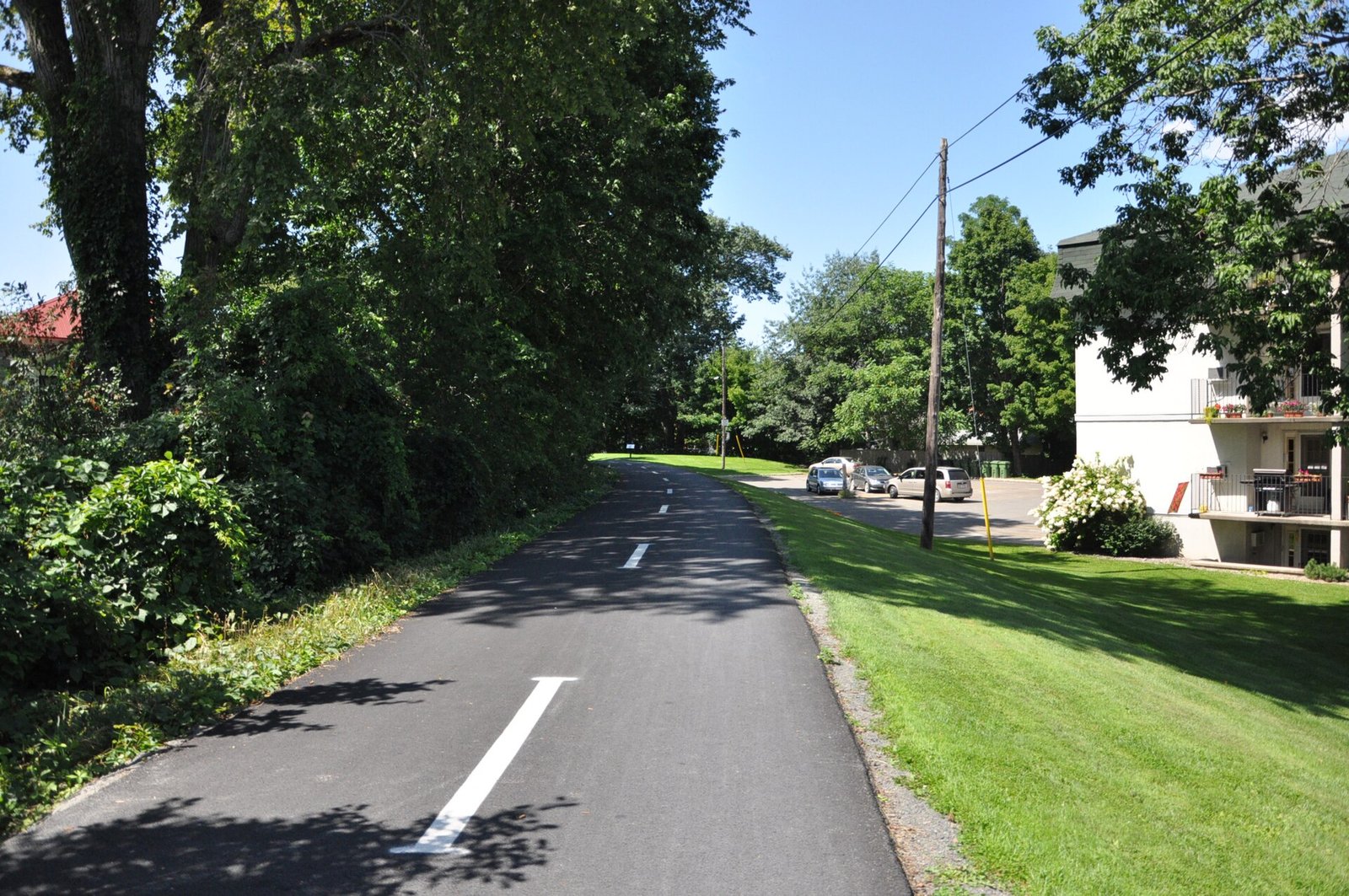
Normalmente, e-bikes em conformidade podem usar muitas estradas e ciclovias onde bicicletas são permitidas, mas o acesso pode variar por província, cidade, parque e operador de trilha. Andar em calçadas é frequentemente proibido ou controlado por leis municipais.
Isso é especialmente importante em áreas turísticas. Uma trilha à beira-mar da cidade, trilha de parque nacional, rota de parque provincial ou trilha de mountain bike pode ter sua própria política de e-bike. Leia as placas e pergunte à loja de aluguel antes de entrar em um parque ou rede de trilhas.
Luzes e Sinos São Obrigatórios?
As regras de equipamento variam, mas uma e-bike segura deve ter freios funcionais, luzes dianteiras e traseiras para noite ou baixa visibilidade, refletores e um sino ou buzina onde exigido. No Canadá, condições de pouca luz podem chegar rapidamente durante as estações de transição, e o clima pode mudar rápido.
Antes de sair de uma loja de aluguel, verifique as luzes e os freios. Se a rota incluir crepúsculo, chuva, túneis, pontes ou trilhas florestais, a iluminação visível importa mesmo durante o dia.
Você Pode Usar o Celular Enquanto Pedala?
Evite segurar um celular enquanto pedala. As regras e a aplicação de ciclismo distraído variam, mas a lógica de segurança é a mesma em todo o Canadá. Pare fora da trilha ou use um suporte de guidão para navegação.
Isso importa em cidades como Toronto, Vancouver, Montreal, Ottawa, Calgary e Victoria, onde ciclistas compartilham espaço com bondes, ônibus, patinetes, carros, pedestres e entregadores.
Você Pode Carregar um Passageiro?
Somente se a e-bike for construída para passageiros. Crianças precisam de uma cadeira infantil adequada, reboque ou configuração de bicicleta de carga. Adultos não devem andar em racks que não são projetados para cargas de passageiros.
Aluguéis de e-bike canadenses podem incluir bicicletas de carga ou longtails em cidades maiores. Se você precisar carregar uma criança, bagagem ou outro adulto, alugue a bicicleta correta em vez de improvisar.
Você Pode Pedalar Depois de Beber?
Não pedale sob efeito de álcool. O Canadá trata o comportamento rodoviário sob efeito de álcool com seriedade, e algumas províncias alertam que penalidades mais amplas por dirigir sob efeito de álcool podem se aplicar a bicicletas assistidas por motor em certos contextos.
Para turistas, a regra fácil é: se a rota incluir cervejarias, vinícolas ou vida noturna, planeje um retorno sem pedalar. Isso é especialmente importante em estradas rurais ou trilhas de uso múltiplo escuras.
O que os turistas devem verificar antes de alugar?
Pergunte:
- Quais regras provinciais se aplicam aqui?
- O motor está classificado dentro do limite local de e-bike?
- A assistência para no limite de velocidade assistida local?
- Um capacete está incluído?
- As e-bikes são permitidas na trilha ou rota de parque exata que pretendo pedalar?
Boas lojas de aluguel canadenses sabem essas respostas porque seu negócio depende da conformidade local.
Conclusão: Pedalando uma E-bike no Canadá com Confiança
As regras de ciclismo de e-bike no Canadá são fáceis se você respeitar as diferenças provinciais. Use uma bicicleta em conformidade, espere uma estrutura de 500W e 32 km/h em muitos lugares, use capacete e verifique o acesso local antes de entrar em trilhas ou parques.
O principal erro de turista é trazer suposições de outro país. Uma bicicleta Classe 3 ou 750W dos EUA pode não se adequar às regras canadenses. Uma pedelec ou bicicleta assistida por motor de aluguel local é a escolha mais simples.
Perguntas frequentes
P1: As e-bikes são legais no Canadá?
Sim. As e-bikes são legais quando atendem aos requisitos provinciais de potência, velocidade, pedais, equipamentos e regras do ciclista.
P2: Qual é o limite de velocidade comum para e-bikes no Canadá?
Muitas províncias usam um limite de velocidade assistida de 32 km/h para bicicletas assistidas por motor.
P3: As e-bikes de 750W são legais no Canadá?
Frequentemente não, para uso normal em estradas como e-bike. Muitas regras canadenses usam um limite de 500W, então verifique a província antes de pedalar.
Q4: Os turistas precisam de capacetes em e-bikes canadenses?
As regras de capacete variam por província, mas os turistas devem usar um em cada passeio.
Q5: As e-bikes podem andar em parques nacionais canadenses?
Depende do parque e da trilha. Verifique as regras publicadas ou as orientações oficiais do parque antes de pedalar.
Fontes
- Ontário, "Andar de e-bike": https://www.ontario.ca/page/riding-e-bike
- Saskatchewan Government Insurance, "Bicicletas de assistência elétrica": https://sgi.sk.ca/motorcycle/-/knowledge_base/motorcycle-handbook/power-assisted-bicycles1
- Governo da Ilha do Príncipe Eduardo, "Bicicletas de Assistência Elétrica": https://www.princeedwardisland.ca/en/information/transportation-and-infrastructure/power-assisted-bicycles
- Estrutura de referência revista: Aitour Ebikes, "Cycling in the Netherlands: Essential Rules and Tips for Tourists": https://www.aitourebikes.com/blogs/aitour-blogs/cycling-in-the-netherlands-essential-rules-and-tips-for-tourists