
 EN
 DE
 NL
 IT
 FR
 ES
 PT
 DA
 SV
 FI
 CS
 EL
 HU
 ET
 BG
 PL
 JA
 KO
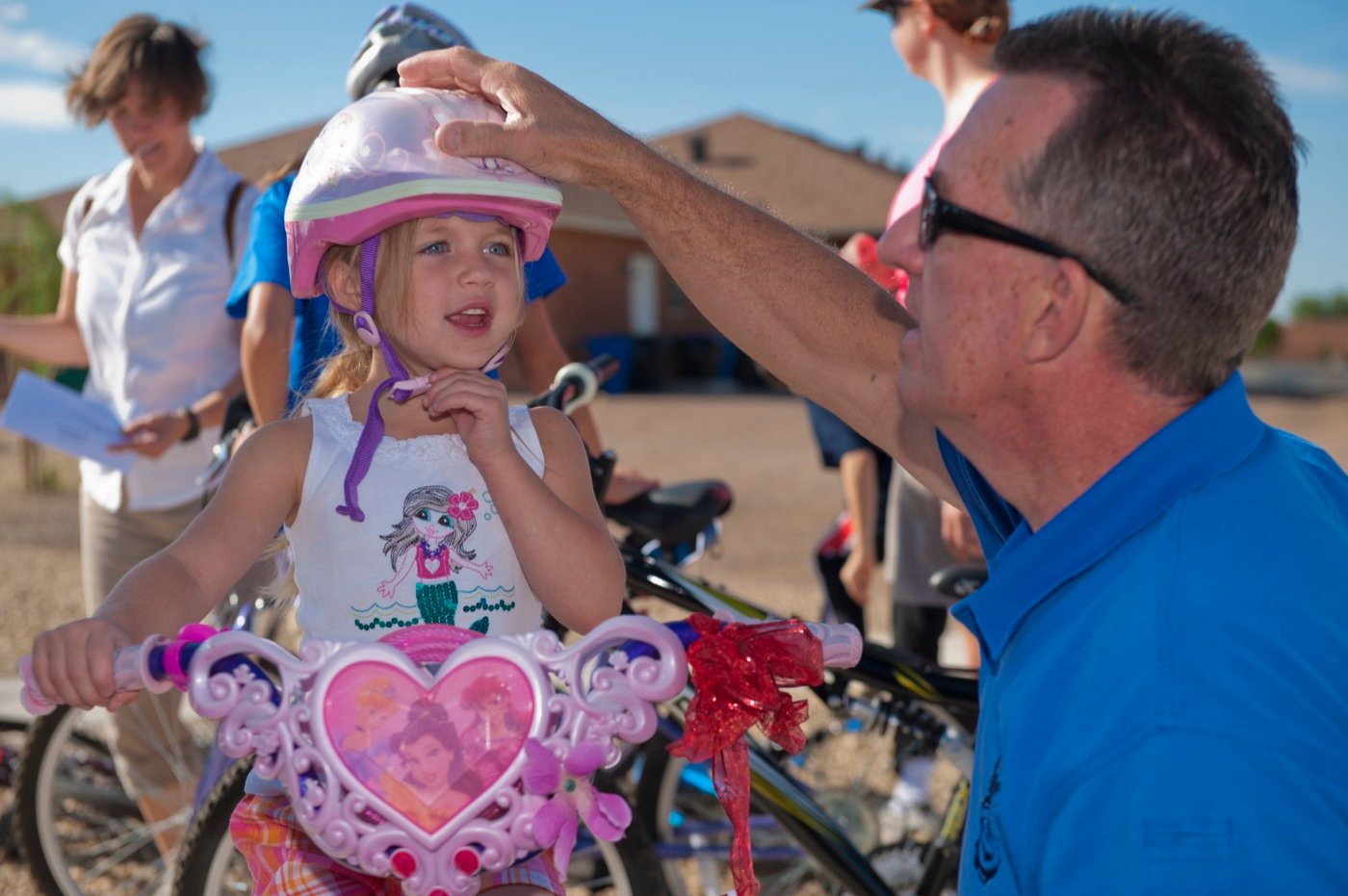
The best non-toy gifts for kids fall into two categories: experiences that create memories, and practical items that make kids feel capable. Both have the same side effect — they don’t add to the toy clutter.
Here’s a curated guide with age ranges and budgets, so you can find the right fit without guesswork.
Experience gifts that actually get used
Experience gifts work best when they match the family’s lifestyle. A museum membership is worthless if the parents don’t have time to visit; a gift card is useless if nobody ever books it. Choose either low-coordination gifts or something the family was already considering:
- Zoo or aquarium membership ($80–200, ages 3+) — usually pays for itself after two or three visits and removes the “should we go?” decision barrier.
- Children’s museum membership ($100–250, ages 2–10) — designed for repeat visits, and a lifesaver in cold or rainy months.
- Lesson packages ($100–300, ages 5+) — swimming lessons in particular are both practical (safety) and ongoing. Coordinate with parents first.
- Escape room gift card ($30–50 per person, ages 10+) — perfect for tweens, with family-friendly rooms available.
- Science centre or planetarium tickets ($30–60, ages 6+) — the “special outing” that kids remember, especially with an IMAX add-on.
Outdoor gear that creates ongoing adventure
The best outdoor gifts aren’t toys — they’re tools for exploration that get used for years:
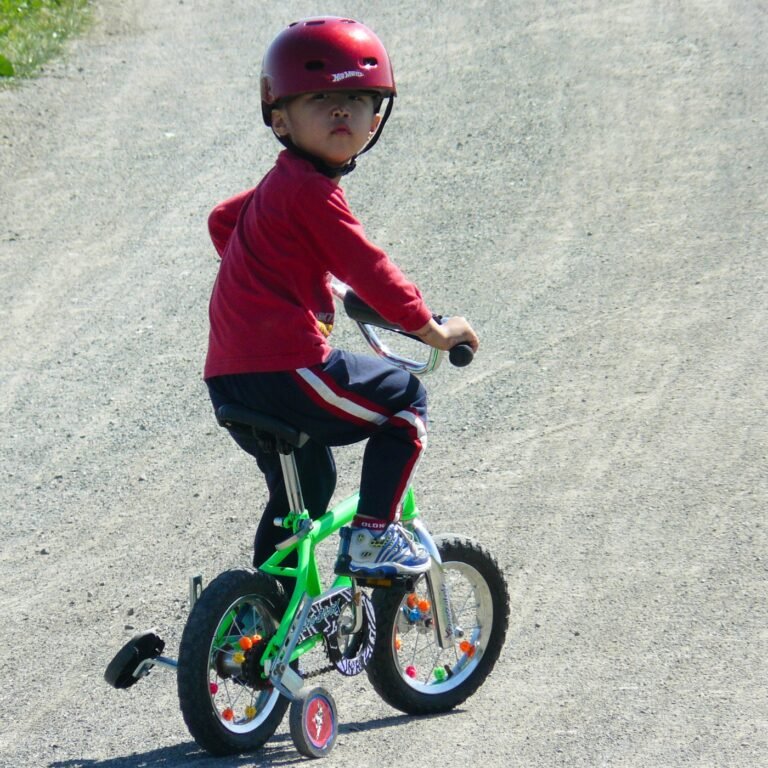
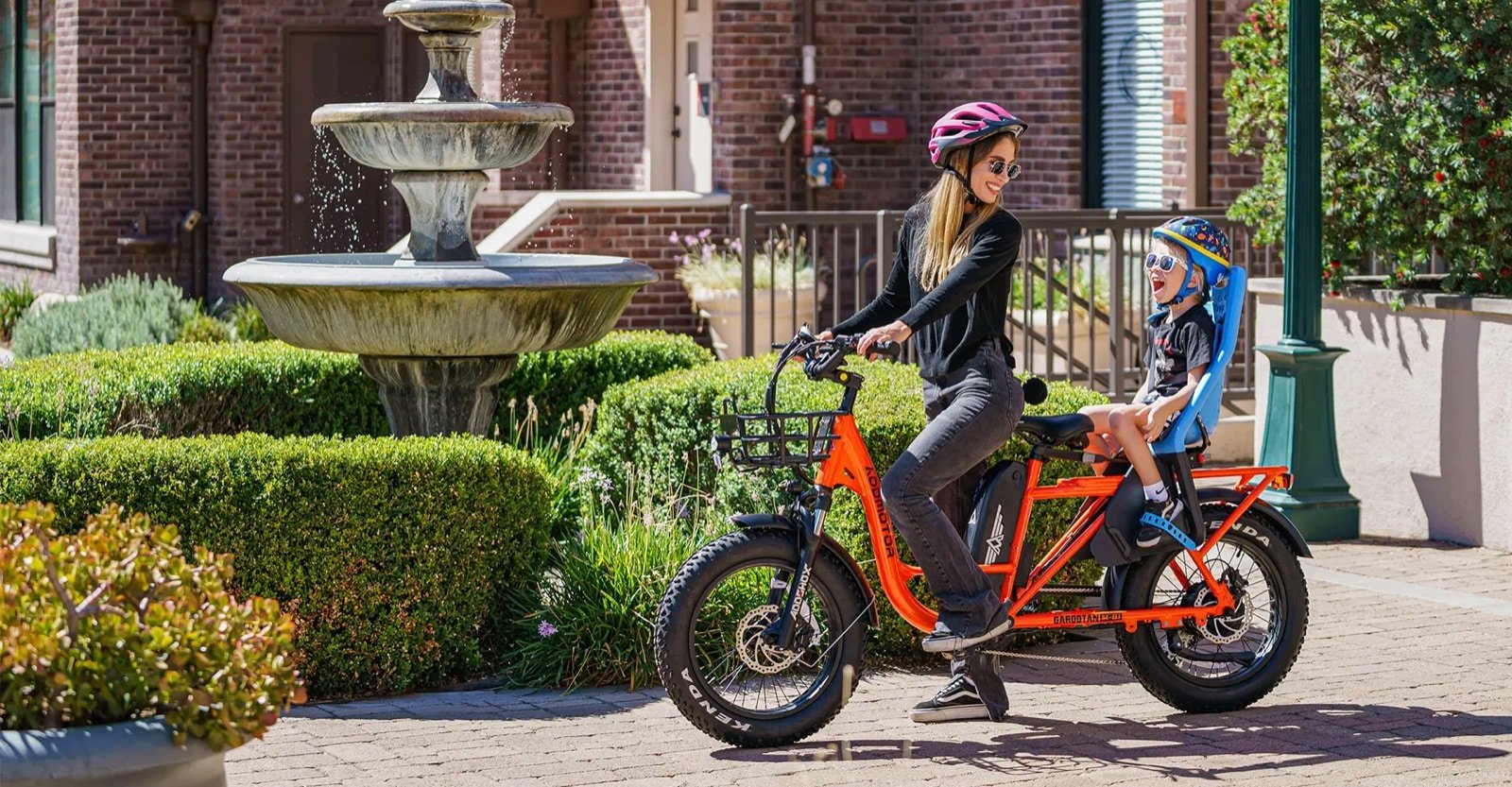
- A kids’ e-bike ($600–900, ages 4–12) — the gift that solves the pace-mismatch problem: kids on regular bikes fall behind on family rides, while electric assist keeps everyone together. Look for progressive speed modes (typically 7/13/15 mph) that grow with the child’s skill. Our best cargo bikes for families covers the parent-side options if you’re building a family riding setup.
- Binoculars ($20–80, ages 5+) — turn ordinary walks into bird-watching expeditions; rubber-coated child sizes survive drops.
- A slackline with training line ($50–100, ages 6+) — huge activity value in a tiny bag, and mastery takes weeks, keeping engagement high.
- A kid-sized camping chair ($25–50, ages 4+) — makes kids feel included, and they love carrying their own gear.
- Stomp rockets ($20–40, ages 4+) — full-body exercise disguised as play, with a chase-and-retrieve loop that keeps kids running.
Room and personal items they treasure
Items for their own space create ownership and pride — and personalised things feel especially intentional:
- Star projector or galaxy light ($20–50, ages 3+) — a “hit” gift that transforms bedrooms and helps with bedtime.
- A blanket featuring their current obsession ($30–60, ages 3+) — gets daily use and lasts for years, unlike clothes.
- A personalised insulated water bottle ($20–40, ages 4+) — school and sports gear they’re proud of; stainless steel lasts and doesn’t hold odours.
- Their own alarm clock ($15–40, ages 6+) — teaches time management and independence, with colour-coded wake/sleep indicators for younger kids.
- Volume-limiting headphones ($30–80, ages 7+) — hearing protection with independence, and a gift parents genuinely appreciate.
Food-making gifts that become family traditions
Food-making gadgets create ongoing family activities and are consumable — no clutter. The best options are machines kids can operate with minimal supervision to produce something the whole family enjoys: a popcorn maker, a personal pizza kit, or a simple baking set. The activity becomes the tradition.
Books, subscriptions and skill kits
- Magazine subscriptions — brief, visually rich articles match short attention spans, and each issue is a fresh start.
- STEAM subscription boxes — everything needed for a monthly hands-on project, with no decision paralysis.
- Tool and skill kits — real tools sized for small hands, from woodworking to electronics, framed as capability rather than toys.
For more bike-and-outdoors-focused ideas in the same spirit, our active gifts for 10-year-olds guide covers the older end of this age range.
Budget quick-reference
| Budget | What works |
|---|---|
| Under $40 | Stomp rockets, binoculars, water bottle, alarm clock, star projector |
| $40–100 | Blanket, headphones, camping chair, slackline, escape room card |
| $100–300 | Memberships, lessons, science centre day, subscription boxes |
| $600+ | A kids’ e-bike — the gift with the longest shelf life |
Frequently asked questions
What’s the best non-toy gift for a kid who has everything?
An experience they’ll remember — a lesson package, a membership or a special outing — or a bike that unlocks years of family adventures. Both beat another parcel.
Are non-toy gifts less exciting for kids?
Not when chosen well. The ones that land are the practical items that make kids feel capable and the experiences that become stories. The key is matching the gift to the child’s interests, not to a generic idea of childhood.
What age is a kids’ e-bike appropriate for?
Typically 4–12, with progressive speed modes and height ranges that grow with the child. Check the manufacturer’s height range and brake design rather than age alone.
References
- Himiway — 25 Best Non-Toy Gifts for Kids (2026)