
 EL
EL  EN
EN  DE
DE  NL
NL  IT
IT  FR
FR  ES
ES  PT
PT  DA
DA  SV
SV  FI
FI  CS
CS  HU
HU  ET
ET  BG
BG  PL
PL  JA
JA  KO
KO Τελευταία ενημέρωση: Ιούνιος 2026
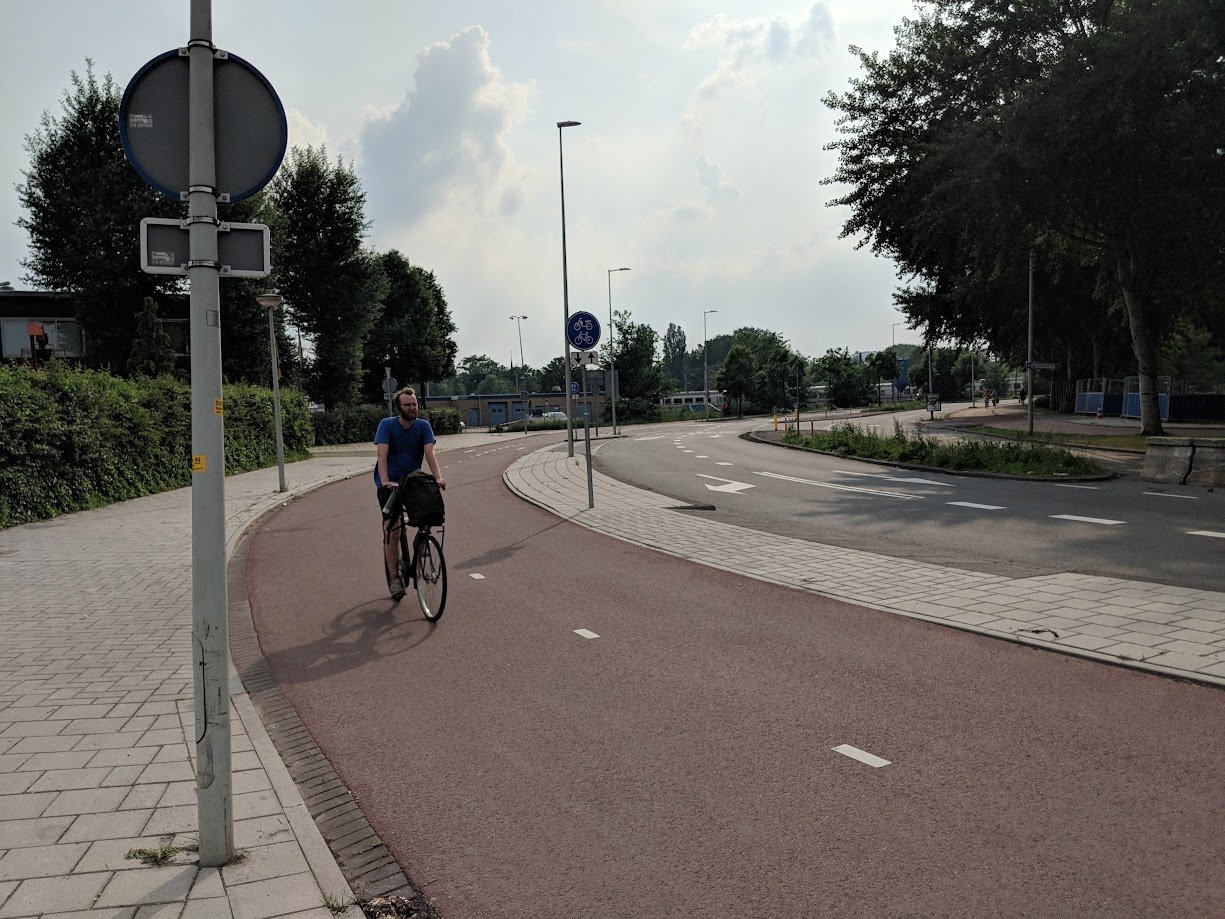
The Netherlands is one of the easiest countries in the world to explore by e-bike, but it is also one of the least forgiving places for hesitant cycling. Dutch riders move quickly, bike lanes are busy, and local etiquette matters almost as much as written law.
For tourists, the best choice is a normal pedal-assist e-bike, not a speed pedelec. A standard e-bike fits the Dutch cycling network. A speed pedelec belongs to a more regulated moped-like category.
Are Electric Bikes Legal in the Netherlands?
Yes. A normal e-bike is legal when it has pedal assistance up to 25 km/h and a motor with a maximum power of 250W. The motor should assist while pedaling and should stop assisting once the limit is reached.
The Dutch government specifically distinguishes normal e-bikes, electric cargo bikes, and fatbikes that stay within the 25 km/h and 250W framework from vehicles that exceed it. If the bike is faster or more powerful, it may need approval as a moped, light moped, or speed pedelec.
What Is a Speed Pedelec?
A speed pedelec is a high-speed e-bike that can assist up to 45 km/h. In the Netherlands, a speed pedelec is not treated like a normal bicycle. It is generally classed with moped-style obligations.
That means a speed pedelec can require a helmet, license plate, insurance, and different road-position rules. Tourists should avoid renting one unless they specifically understand the requirements and have the right documents.
Do You Need to Wear a Helmet?
For a normal 25 km/h e-bike, helmets are not generally mandatory in the Netherlands. For speed pedelecs, helmets are mandatory.
Even though many Dutch riders do not wear helmets for everyday cycling, tourists may still want one. Visitors often ride unfamiliar routes, move more slowly than locals, and look at signs, canals, trams, pedestrians, and navigation more than experienced Dutch commuters do.
Are Bike Lights Required?
Ναι. Τη νύχτα ή σε συνθήκες χαμηλής ορατότητας, χρειάζεστε λευκό ή κίτρινο μπροστινό φως και κόκκινο πίσω φως. Σημαντικοί είναι και οι αντανακλαστήρες. Η ολλανδική αστυνομία μπορεί να επιβάλει πρόστιμο σε ποδηλάτες για ελλιπή ή λανθασμένα φώτα.
Αυτό είναι ένα συνηθισμένο λάθος τουριστών. Μια αργά το απόγευμα επίσκεψη σε μουσείο, μια βροχερή βόλτα στο κανάλι ή ένα βραδινό δείπνο μπορεί να μετατρέψει μια ημερήσια ενοικίαση σε νυχτερινή διαδρομή. Ελέγξτε τα φώτα πριν φύγετε από το κατάστημα ενοικίασης.
Μπορείτε να χρησιμοποιήσετε το τηλέφωνό σας ενώ ποδηλατείτε;
Όχι, μην κρατάτε τηλέφωνο ενώ ποδηλατείτε στην Ολλανδία. Η χρήση τηλεφώνου κατά την οδήγηση είναι παράνομη και μπορεί να οδηγήσει σε πρόστιμο. Χρησιμοποιήστε μια βάση τιμονιού, ακουστικό πλοήγησης σε χαμηλή ένταση ή σταματήστε με ασφάλεια πριν ελέγξετε τον χάρτη.
Αυτός ο κανόνας είναι ιδιαίτερα σημαντικός στο Άμστερνταμ και σε άλλες πολυσύχναστες πόλεις. Οι ολλανδικοί ποδηλατόδρομοι κινούνται όπως οι λωρίδες κυκλοφορίας. Το να σταματήσετε απότομα για να ελέγξετε το τηλέφωνο μπορεί να προκαλέσει σύγκρουση με ποδηλάτες πίσω σας.
Πού πρέπει να ποδηλατείτε;
Χρησιμοποιήστε τον ποδηλατόδρομο ή την ποδηλατική διαδρομή όταν υπάρχει διαθέσιμη. Η ολλανδική ποδηλατική υποδομή είναι εκτεταμένη, αλλά δεν είναι χαλαρός χώρος πεζοδρομίου. Μην ποδηλατείτε σε πεζοδρόμια. Μην παρασύρεστε σε γραμμές τραμ, λωρίδες λεωφορείων ή δρόμους μόνο για πεζούς, εκτός αν οι πινακίδες επιτρέπουν την ποδηλασία.
Μείνετε δεξιά, προσπερνάτε προσεκτικά και δηλώστε τις στροφές. Οι ντόπιοι μπορεί να ποδηλατούν πιο γρήγορα από ό,τι περιμένετε. Αν θέλετε να δείτε ένα κανάλι, μια γέφυρα ή ένα κτίριο, σταματήστε πρώτα.
Ποιος έχει προτεραιότητα;
Ακολουθήστε τις πινακίδες κυκλοφορίας, τα φανάρια, τα τρίγωνα παραχώρησης και τις σημάνσεις του δρόμου. Τα ολλανδικά "δόντια καρχαρία" σημαίνουν ότι πρέπει να δώσετε προτεραιότητα όταν τα τρίγωνα δείχνουν προς εσάς. Οι πεζοί έχουν προτεραιότητα στις διαβάσεις όπου το απαιτούν οι κανόνες, και οι ποδηλάτες πρέπει να σταματούν στα κόκκινα φανάρια.
Οι τουρίστες μερικές φορές υποθέτουν ότι τα ποδήλατα έχουν πάντα προτεραιότητα στην Ολλανδία. Δεν έχουν. Το ολλανδικό σύστημα λειτουργεί επειδή οι ποδηλάτες ακολουθούν τις πινακίδες και την προβλέψιμη συμπεριφορά στη λωρίδα.
Μπορείτε να μεταφέρετε επιβάτη;
Μόνο αν το ποδήλατο είναι κατασκευασμένο για αυτό. Τα παιδιά χρειάζονται κατάλληλα καθίσματα ή θέσεις σε ποδήλατο φορτίου. Οι ενήλικες δεν πρέπει να κάθονται σε τυπική πίσω σχάρα. Τα ποδήλατα φορτίου είναι κοινά στην Ολλανδία, αλλά είναι σχεδιασμένα για συγκεκριμένα φορτία επιβατών και αγαθών.
If you are traveling with children, rent a proper family cargo bike from a reputable shop and practice before entering a busy route.
Μπορείτε να οδηγήσετε μετά από κατανάλωση αλκοόλ;
Do not cycle under the influence of alcohol or drugs. The Netherlands has a relaxed social culture, but cycling is still traffic. If you have been drinking, walk, take public transport, or use a taxi.
This matters because Dutch nightlife districts are also heavy cycling areas. The bike lane may look safer than the road, but impaired riding can still cause crashes.
How Should You Park an Ebike?
Park only where bikes are allowed. Use racks, stations, or marked parking zones, especially in Amsterdam, Utrecht, Rotterdam, and train-station areas. Improperly parked bikes can be removed.
Lock the frame and wheel, and ask the rental shop whether to remove the battery. Dutch bike theft is common enough that a casual cable lock is not enough for longer stops.
Conclusion: Riding an Ebike in the Netherlands With Confidence
Ebike cycling rules in the Netherlands are simple if you use a normal 25 km/h, 250W pedal-assist bike and ride predictably. The hard part for tourists is not the law; it is the pace of local cycling culture.
Use lights, stay in the correct lane, do not use your phone, understand shark teeth, park properly, and avoid speed pedelecs unless you know the rules. Do that, and the Netherlands becomes one of the best e-bike travel experiences in the world.
Συχνές ερωτήσεις
Q1: Are e-bikes legal in the Netherlands?
Yes. Normal pedal-assist e-bikes are legal when assistance is limited to 25 km/h and motor power is limited to 250W.
Q2: Do I need a helmet on a Dutch e-bike?
Not generally for a normal e-bike, but helmets are mandatory for speed pedelecs.
Q3: Can tourists use phones while cycling in the Netherlands?
No. Holding a phone while cycling is illegal. Use a mount or stop safely.
Q4: Are speed pedelecs allowed in bike lanes?
They follow different rules from normal bikes and may not be allowed on all bike paths. Check the specific route and legal requirements.
Q5: Είναι αυστηρή η στάθμευση ποδηλάτων στην Ολλανδία;
Ναι. Παρκάρετε σε καθορισμένους χώρους, ειδικά κοντά σε σιδηροδρομικούς σταθμούς και κέντρα πόλεων, διαφορετικά το ποδήλατο μπορεί να αφαιρεθεί.
Πηγές
- Rijksoverheid, "Ποιοι κανόνες ισχύουν για το ηλεκτρικό μου ποδήλατο;": https://www.rijksoverheid.nl/onderwerpen/fiets/vraag-en-antwoord/welke-regels-gelden-voor-mijn-elektrische-fiets-e-bike
- RDW, "Ηλεκτρικό ποδήλατο ή speed pedelec": https://www.rdw.nl/kopen-of-verkopen/elektrische-fiets-of-speed-pedelec
- Government.nl, "Ασφαλής ποδηλασία": https://www.government.nl/topics/bicycles/safe-cycling
- Δομή αναφοράς που εξετάστηκε: Aitour Ebikes, "Ποδηλασία στην Ολλανδία: Βασικοί Κανόνες και Συμβουλές για Τουρίστες": https://www.aitourebikes.com/blogs/aitour-blogs/cycling-in-the-netherlands-essential-rules-and-tips-for-tourists