
 EN
EN  DE
DE  NL
NL  IT
IT  FR
FR  ES
ES  PT
PT  DA
DA  SV
SV  FI
FI  CS
CS  EL
EL  HU
HU  ET
ET  BG
BG  PL
PL  JA
JA  KO
KO 
The senior electric trike market is one of the fastest-growing corners of e-mobility — and one of the worst-supplied. Seniors hold the most disposable wealth and the most concrete reason to buy a stable, assisted electric trike, yet the products on offer split into two unsatisfying poles: cheap consumer hardware that looks and rides like budget kit, or expensive, low-volume, often clinical-looking mobility devices.
The middle — a well-engineered trike that does not look or feel like a medical aid — is the gap. This is not a forecast that depends on a trend holding. It rests on demographics you can already see two decades out.
The demand is locked in by population structure
On 1 January 2025, the EU population reached 450.6 million, and 22% of it was aged 65 or over — up from 21.6% a year earlier and 2.9 percentage points higher than a decade ago. The median age of the EU is now 44.9 years. In Italy, Portugal and Bulgaria there are already fewer than three working-age adults for every person over 65.
The US is on the same curve, slightly behind. The Census Bureau put the 65-and-over population at 61.2 million — 18% of the country — in 2024, growing 13% between 2020 and 2024 while the working-age group grew 1.4%. By 2030 that segment is projected to reach roughly 71.6 million, about 21% of the population.
The senior e-trike in Europe and the US is therefore not a niche bet. It tracks the single most predictable demographic shift of the century.
The silver economy behind senior mobility spending
Behind the headcount sits spending power, and this is where senior mobility becomes a category rather than a charity case. A European Commission study (Technopolis Group with Oxford Economics) valued Europe’s silver economy — private and induced spending by people aged 50+ — at €3.7 trillion in 2015, with a projection to reach €5.7 trillion by 2025. Older Europeans are not a frugal afterthought; in several national analyses they account for the majority of consumer demand.
So the buyer exists, has money, and has a problem cycling can solve. The question is why the product still disappoints.
Why supply is stuck at two extremes
Walk the current market and you find two clusters with very little between them.
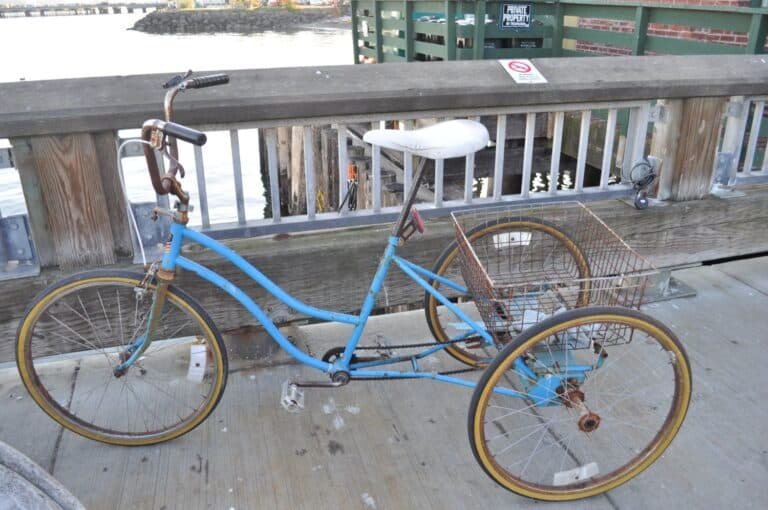
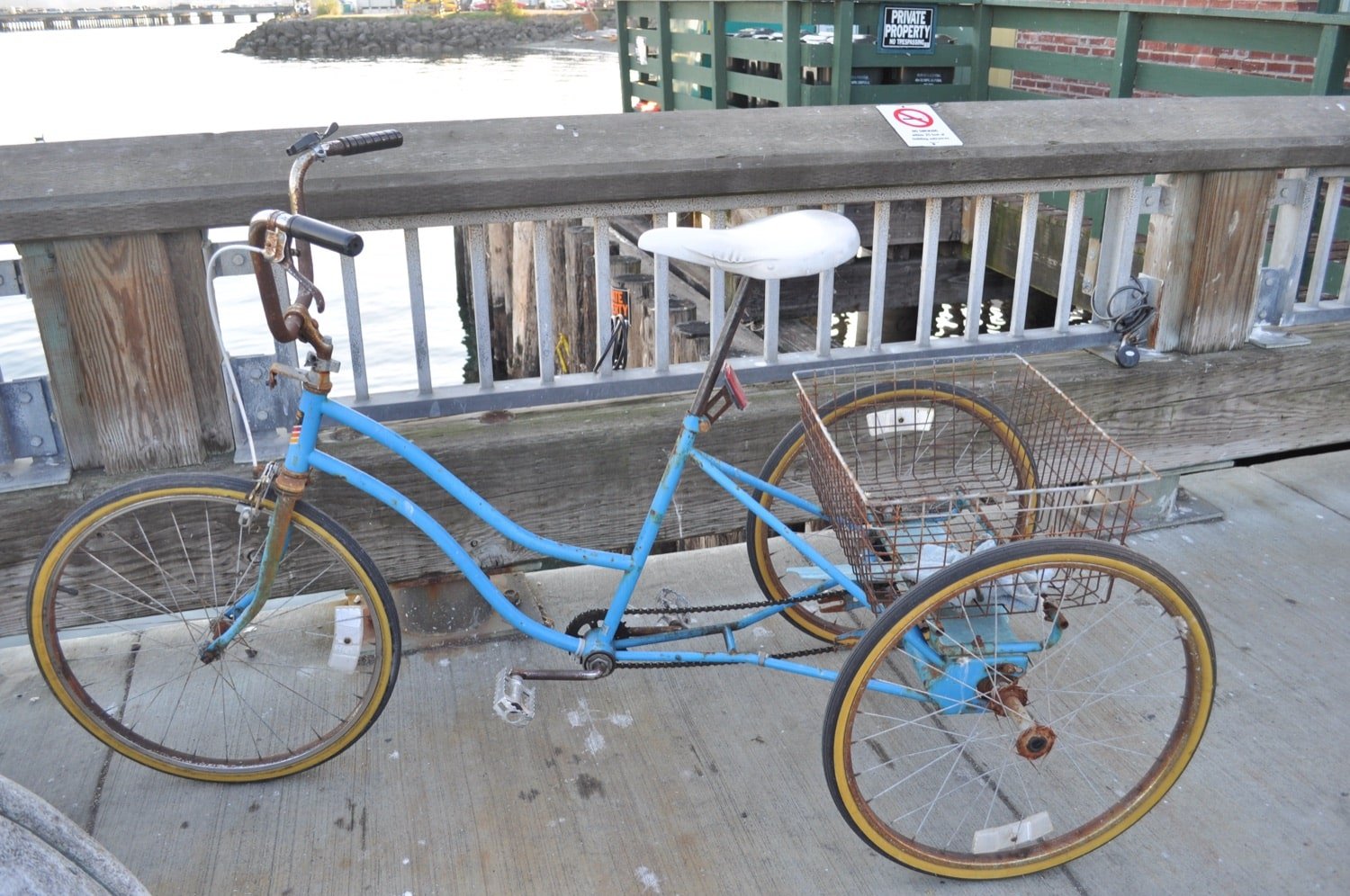
At one end sit mass-market consumer trikes — step-through frames, hub motors, a basket bolted on. They are affordable and stable enough, but they are engineered for price, not for the body of a 72-year-old with joint sensitivity. The seat, the brake force, the low-speed handling, the fit range — the things that actually decide whether someone keeps riding — are usually an afterthought.
At the other end sit premium specialist makers who clearly understand the rider. A handful of long-established European workshops build senior trikes that are genuinely stable, highly adjustable, and deliberately styled to look like desirable objects rather than medical equipment. They prove two things at once: the demand is real, and buyers will pay well for a trike done properly. The catch is structural. These are typically hand-assembled, dealer-channel, low-volume operations — often only a few thousand units a year — so however good the product, they cannot supply a distributor a scalable, private-label line.
That leaves a hole in the middle that no one fills well: a de-medicalised, properly engineered, scalable senior trike that a brand can put its own name on.
The real barrier: what the product signals
The single biggest barrier in this category is not price or specification. It is what the product signals. This is where de-medicalised design stops being a styling note and becomes the commercial decision.
Research on why older adults abandon mobility aids keeps reaching the same conclusion: an overtly medical appearance does the damage. A study in Humanities and Social Sciences Communications found that clinical-looking devices are abandoned even when they work. Work on the stigma of walker use makes the point with an example every seller should remember: Nordic walking poles are widely accepted where a standard walking stick is resisted, because the poles are framed as exercise equipment rather than assistive technology. Same physical support, completely different acceptance.
An accessible electric trike that reads as a leisure and lifestyle vehicle lets riders get to the shops, stay independent and see friends without publicly accepting a label of decline. That is precisely what the premium European trikes get right, and what the cheap consumer ones and the clinical aids get wrong.
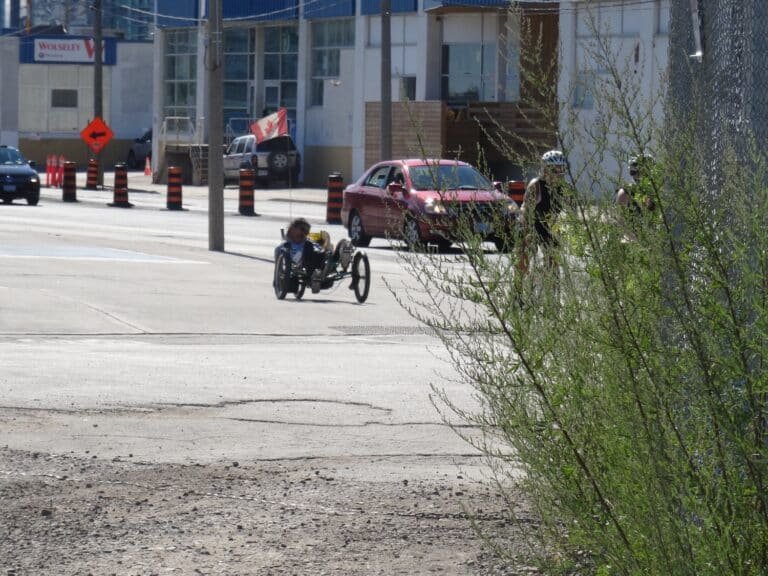
Posture matters less than most people assume. The popular shorthand says the acceptable senior trike is “upright, low step, stable”. Upright works — it is familiar and visible in traffic. But a semi-recumbent layout, with a chair-like seat and backrest, can read even further from the medical category, because the whole object presents as a comfortable leisure vehicle rather than an adapted bicycle. The defining feature is not the seating angle. It is de-medicalised appearance plus genuine ergonomic engineering plus low-speed stability plus preserved dignity. Our electric trike stability guide covers the geometry behind the stability part.
Who buys — and why it’s not one market
This is not a single-buyer market, which is part of why it is being missed. Demand arrives through several channels at once:
- Senior mobility and adaptive-cycling retailers, selling to riders who want to keep cycling.
- Municipalities and assisted-living programmes, where independent mobility reduces care load and isolation.
- Rehabilitation and healthcare partners, for riders returning to activity after injury or balance loss.
- Tourism and leisure operators — hotels, campsites and rental fleets adding stable trikes for older guests.
When demand shows up through that many doors, it is no longer a niche consumer product. It is a category that needs platforms, private-label flexibility and supply continuity.
The category is becoming an ecosystem
The clearest sign that this is more than a single product is what is forming around it. The age-friendly e-trike is turning into an ecosystem:
- Comfort and utility accessories — adjustable seats and backrests, detachable shopping baskets, lighting and indicators — that turn a base unit into a daily tool.
- Active-ageing leisure gear, riding alongside the silver-tourism economy (European travellers aged 65+ spend on the order of €66 billion a year). The trike is increasingly bought as recreation equipment, not just transport.
- Programmatic demand — senior cycling clubs, organised group rides, subsidised rental schemes run by cities and non-profits.
The strategic point is simple: whoever owns the platform owns the pipeline of accessories, replacements and fleet renewals that follow. The first sale is the smallest part of the relationship.
Why the window is open now
Demographic shifts are slow and certain — which is exactly why the supply gap is a timing opportunity rather than a permanent feature. The riders are arriving on a known schedule. The premium specialist makers have validated the demand but cannot scale into it. The cheap end cannot reach the buyer’s actual standards.
For buyers comparing models today, our best e-bikes for seniors guide and the three-wheel cargo bike guide are practical places to start separating the genuinely engineered from the bolted-together.
Frequently asked questions
How big is the senior electric trike market opportunity?
It tracks the wider ageing of Europe and the US. Over 22% of the EU population is already 65+ (Eurostat, 2025), the US passed 61 million seniors in 2024, and the EU silver economy was valued at €3.7 trillion in 2015 with a projection toward €5.7 trillion by 2025. Within that, the share of cycling done by older adults keeps rising, and the stable, assisted trike is the format that keeps people riding as balance and joint comfort change.
Why is the market called “underserved” if products already exist?
Because supply clusters at two extremes — cheap consumer trikes built to a price, and expensive, low-volume premium trikes — with little in between. The gap is a de-medicalised, well-engineered, accessible electric trike available at scale and with private-label flexibility.
Does a senior trike have to be upright to be accepted?
No. Acceptance is driven by whether the product looks like leisure equipment rather than a medical aid, not by seating angle. Both upright and semi-recumbent formats can succeed; a semi-recumbent layout often reads even less “medical” because it presents as a comfort vehicle.
References
- Eurostat — EU population and ageing data
- US Census Bureau — Graying America: population projections
- Humanities and Social Sciences Communications — Mobility aid design and abandonment
- United Mobility — The Senior Electric Trike Market Gap