
 EN
EN  DE
DE  NL
NL  IT
IT  FR
FR  ES
ES  PT
PT  DA
DA  SV
SV  FI
FI  CS
CS  EL
EL  HU
HU  ET
ET  BG
BG  PL
PL  JA
JA  KO
KO 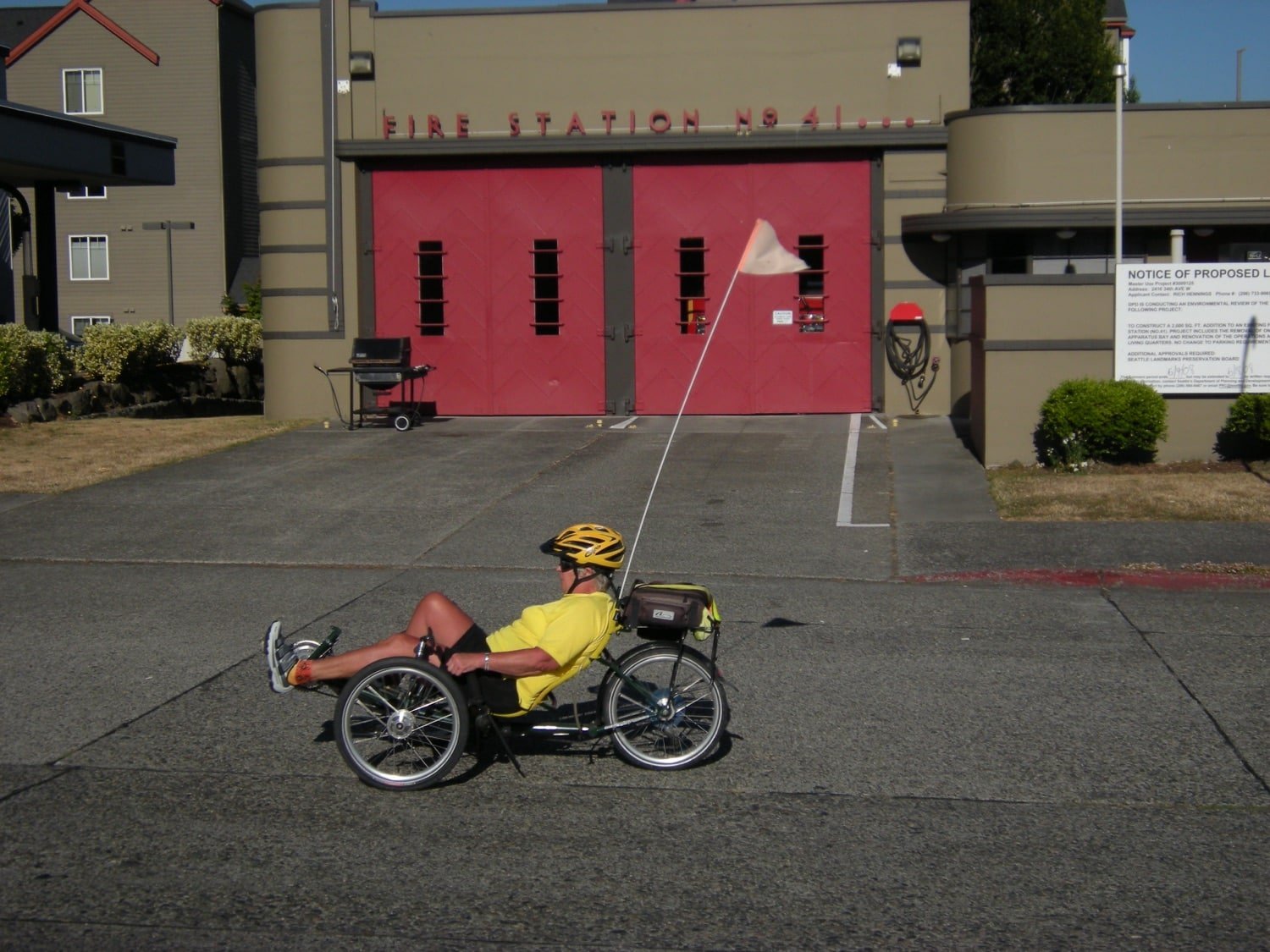
Ask how big the US senior e-trike market is and you will get an answer worth nothing. Published forecasts for the electric tricycle category disagree with one another by a factor of five, mix consumer trikes with industrial cargo three-wheelers, and rarely disclose where their numbers came from. Building a plan on one of them is building on sand.
The useful approach is to stop looking for a market number and start reading the two datasets that do hold up: US population projections and national injury data. Between them they describe a buyer who exists now, in known quantities, for reasons that are not going to reverse.
Why nobody can size this market from a report
Because nobody is measuring it. There is no federal or trade-association series that counts consumer three-wheelers separately, so private forecasters estimate — and their estimates for the same category in the same year span an order of magnitude. Several also fold in industrial and cargo three-wheelers, which is a different business with different buyers.
Two anchors do hold. Industry data assembled by PeopleForBikes with Circana gives a defensible picture of the overall US e-bike market, and it establishes something useful for this category specifically: direct-to-consumer sales account for a very large share of US e-bike volume, and throttle-equipped models dominate that channel. Throttle matters here more than anywhere else in cycling, because the rider this category serves may have limited leg strength and needs the option of not pedalling on a hill.
The second anchor is concentration. Public statements from within the trade indicate that US adult trike sales sit overwhelmingly with a very small number of products. Treat the specific figure with care — it is a manufacturer’s own claim, not audited data — but the shape matters more than the decimal. A category where a handful of products hold most of the volume is not a mature market. It is an under-built one.
The two datasets that actually hold up
Population. The US Census Bureau’s projections mark 2030 as a demographic turning point: from that year, every member of the baby-boom generation is older than 65, and one in five Americans is at retirement age. By 2034, the Bureau projects that older adults will outnumber children for the first time in US history. Current estimates put the 65-and-over population at 61.2 million in 2024 — 18.0% of the population, up from 12.4% in 2004 — while the under-18 population declines. The people who will be 75 in 2036 are 65 today. They are already in the market.
Falls. The CDC reports that falls are the leading cause of injury for adults aged 65 and older, that more than 14 million older adults — one in four — report falling each year, and that roughly three million are treated in emergency departments annually. The trend is the part most product briefs miss: the age-adjusted fall death rate rose 21% between 2018 and 2024, from 64.7 to 78.4 per 100,000 older adults. This is not a stable background risk. It is worsening as the population ages.
Now connect the two. A three-wheeled platform with a seated, step-through entry removes the balance requirement at exactly the moments where older riders lose it: stopping, starting, and getting on and off. That is a direct product-to-need match, evidenced by federal injury data rather than a marketing narrative — and it does not depend on a subsidy, a policy or a trend to exist.
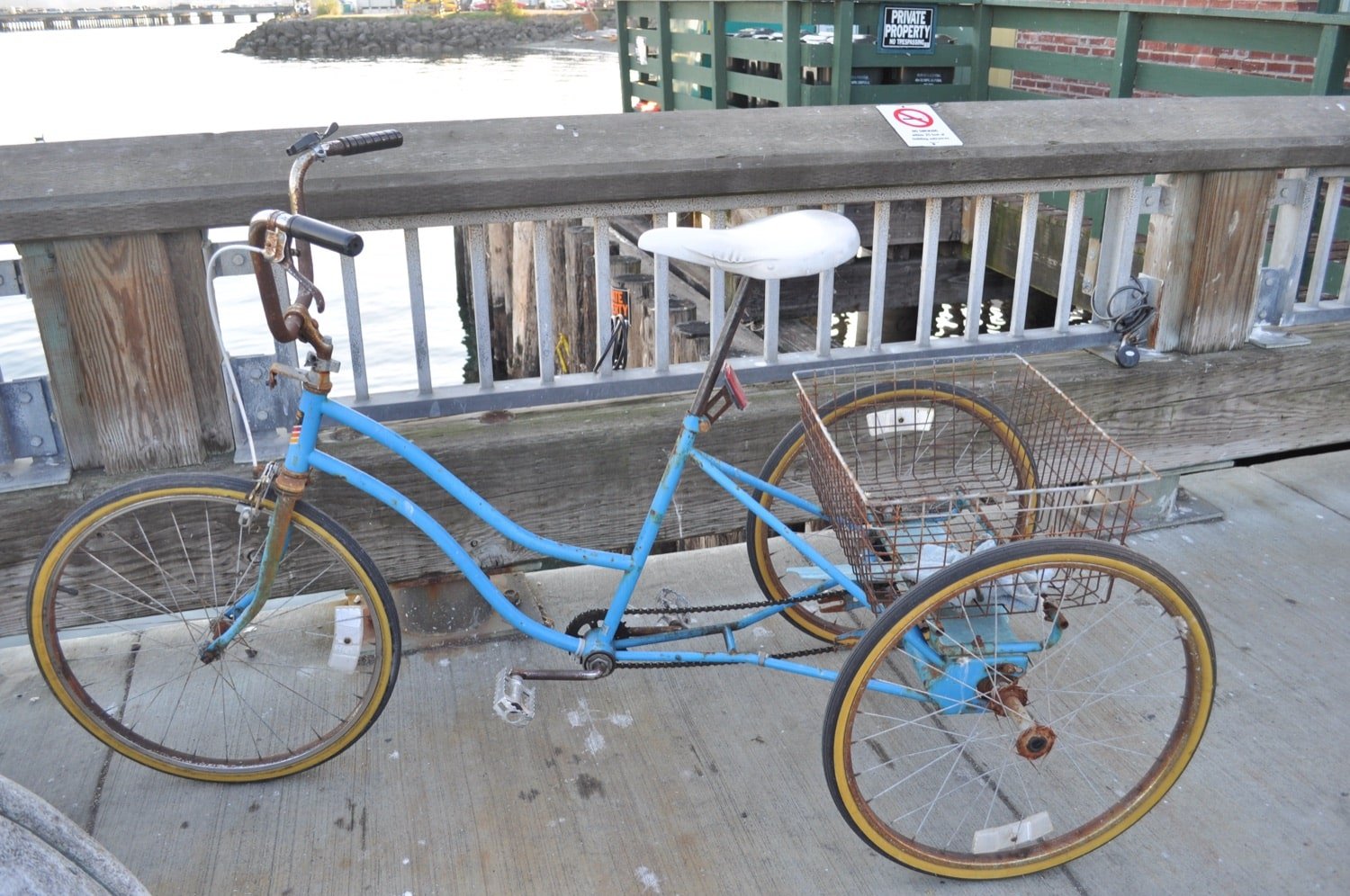
Two buyers share the same category name
Confusing the two profiles below is the most common assortment mistake in this segment:
| Stability buyer | Postural buyer | |
|---|---|---|
| Profile | 60–80, still riding or recently stopped, fine in an upright posture | A specific reason: back pain, joints, neuropathy, wrist or shoulder load, a named balance impairment |
| What they need | Stability at low speed, on kerbs, when stopping | Supported back, relaxed seating, no weight through the wrists |
| How they buy | Online research, often no test ride, price-led | Wants to sit on it first, through mobility and adaptive retail |
| What it means | Where entry-price competition happens | Pays more; the buyer adaptive incentive programmes were written for |
The boundary between them is softening — larger suppliers now cover both — but the channel difference has not softened at all, and that is what should drive any plan. A semi-recumbent trike is not an upright trike with a backrest added; the geometry, the sales conversation and the retail environment are all different. Our guide to the best e-bikes for seniors shows how those differences play out in practice.
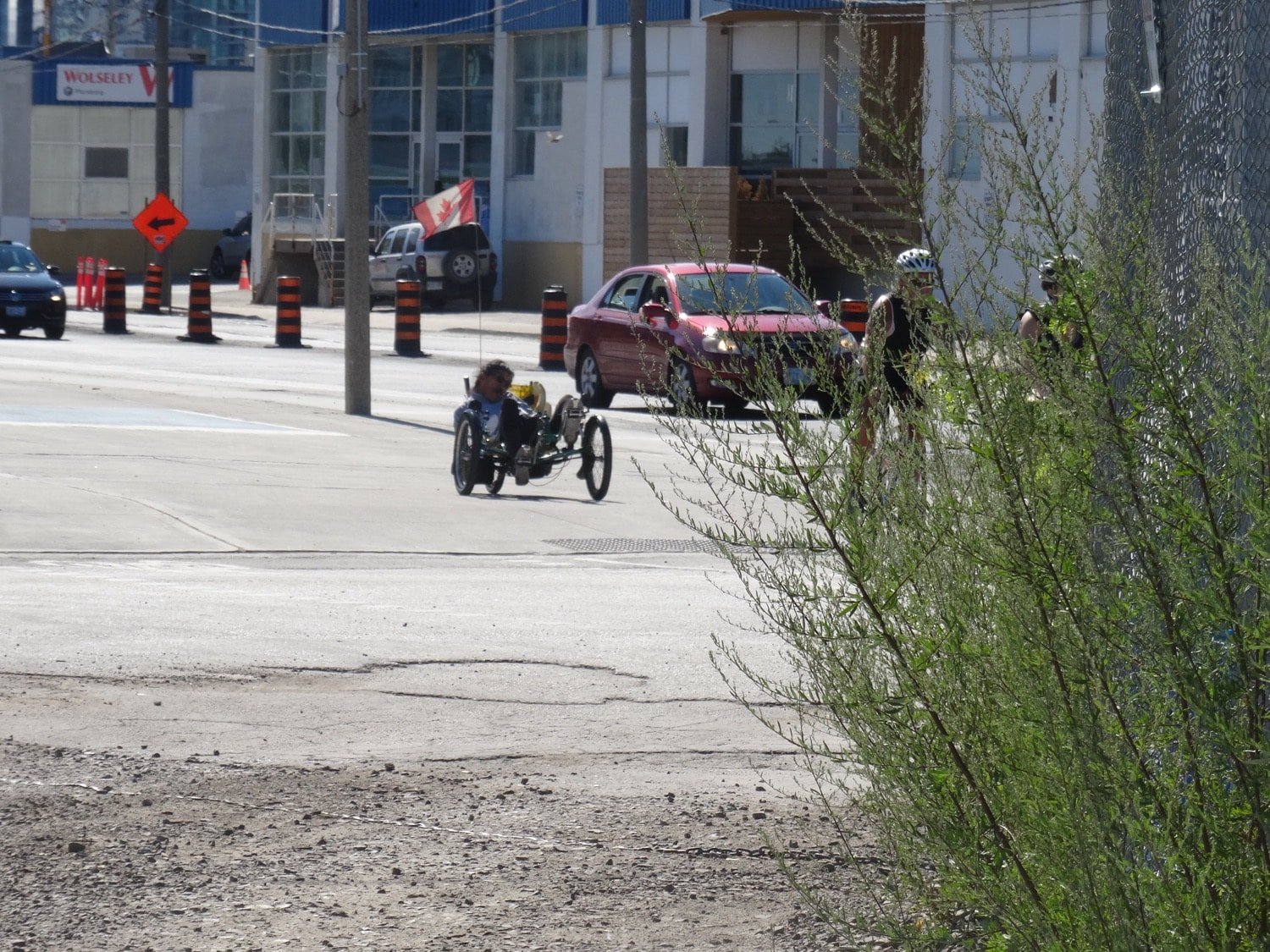
What buyers complain about (read this as a spec)
Read US owner feedback across this category, brand-agnostically, and the same five issues repeat. Each one is an upstream decision:
- Shipping weight that two people struggle to move.
- Partial assembly that defeats the buyer it was sold to.
- Range claims that do not survive a hill.
- Slow spare-parts supply.
- Instability in turns — wheel lift and tip-over reported often enough to count as a design problem, not an isolated defect.
That last item deserves emphasis, because it undermines the category’s entire proposition. A product bought to remove fall risk that introduces a rollover risk has not solved the customer’s problem. Track width, centre of gravity, differential behaviour, anti-tip provision, start-speed limiting and braking capability on a descent are the variables involved, and they are all set at the design stage. If you’re weighing a battery and range claim, our guide to battery degradation signs is a useful reality check on what manufacturers promise versus what riders get.
What the data means for an assortment
If you are building a US range, the data supports a specific shape. Cover the stability buyer if you have the volume to compete at that price, but do not expect to differentiate there. Build your defensible position around the postural buyer, where the product requirements are real, the price tolerance is higher, the channel rewards demonstration over advertising, and the buyer cannot be served by a generic upright product with a backrest bolted on.
That is an engineering brief, and it is why the models worth comparing tend to be built around a specific rider rather than adapted from a general catalogue. Our three-wheel cargo bike guide is a good starting point for comparing what different platforms actually offer.
Frequently asked questions
How big is the US senior e-trike market?
No reliable published figure exists — forecasts for the category disagree by a factor of five and often mix in industrial cargo trikes. What is measurable: the 65-and-over US population reached 61.2 million in 2024, one in five Americans will be at retirement age by 2030, and more than one in four older adults falls each year. Demand is derivable from those numbers; the category’s sales are not separately counted.
Is the senior e-trike category growing, or is it a search-trend artefact?
The demand drivers are structural, not cyclical: an ageing population on federal projections, and a fall death rate among older adults that rose 21% between 2018 and 2024. Neither reverses on a business cycle.
What is the difference between an upright and a semi-recumbent trike buyer?
The upright buyer wants stability without changing how they ride, is price-led, and often buys online. The semi-recumbent buyer has a specific physical reason — back, joints, balance, stamina — needs back support and a relaxed posture, pays more, and usually buys after sitting on the product at a dealer. Different products, different channels.
What is the biggest product risk in this category?
Rollover in turns. It appears consistently in US owner feedback across suppliers, and it directly contradicts the reason the product was bought. Track width, centre of gravity, differential behaviour, anti-tip provision, start-speed limiting and descent braking are all design-stage decisions.
Should a brand build for the low-price segment?
Only with volume behind you. Duty stacking and the certification requirements now applying in the largest states have compressed that end of the market, and it is where the highest-volume suppliers already amortise tooling. The mid and upper segments, particularly the postural buyer, are less contested and more defensible.
References
- US Census Bureau — Graying America: By 2034, Older Adults Will Outnumber Children for the First Time
- CDC — Older adult falls data
- PeopleForBikes — The US E-Bike Market Is Bigger Than the Numbers Show (with Circana)
- United Mobility — The US Senior E-Trike Market: What the Data Actually Shows
- United Mobility — Semi-Recumbent vs Upright Electric Trike: Building a US Range