
 DE
DE  EN
EN  NL
NL  IT
IT  FR
FR  ES
ES  PT
PT  DA
DA  SV
SV  FI
FI  CS
CS  EL
EL  HU
HU  ET
ET  BG
BG  PL
PL  JA
JA  KO
KO 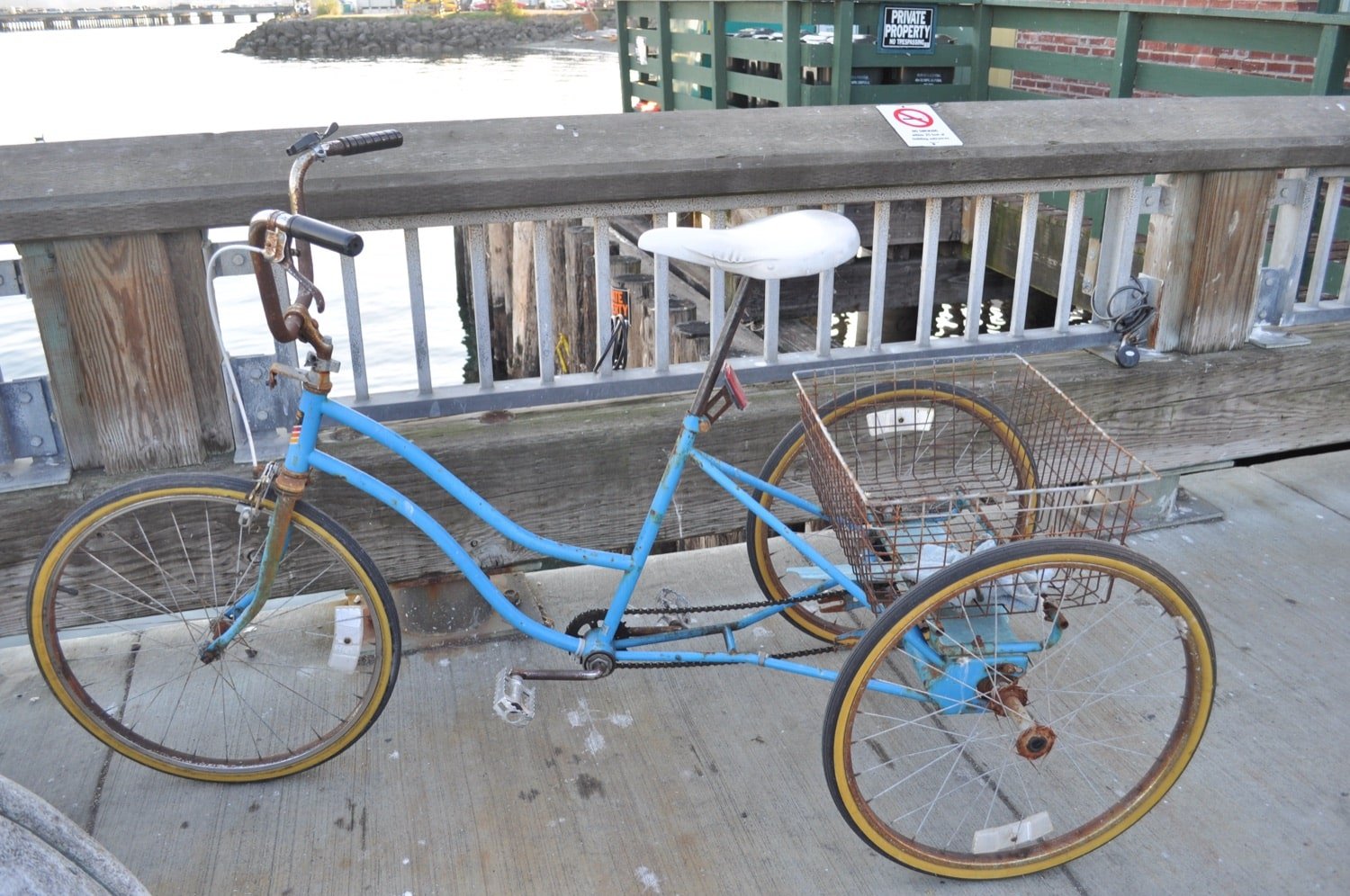
Semi-recumbent vs upright electric trike is usually treated as a rider preference. For anyone stocking them, it isn’t — it’s a channel decision. The two formats attract different buyers, at different prices, through different shops, and getting the mix wrong costs a lot more than a wrong colourway.
The short version: an upright trike sells volume through familiar, price-led channels; a semi-recumbent sells margin through mobility and adaptive retail, to buyers who want to sit on it first. Most ranges need both, weighted by which channel you can actually service. Here’s how to think about the split.
One difference creates all the others
Strip away the marketing and there is one physical difference behind everything else: where the rider sits, and therefore where the rider’s mass sits.
An upright trike seats you on a saddle, torso vertical, above the frame. In the senior segment this is almost always a low step-through design — both feet reach the ground and there is no leg swing over a top tube. It rides like the bicycle the buyer already knows, which is its single greatest commercial asset: no adjustment, no explanation needed.
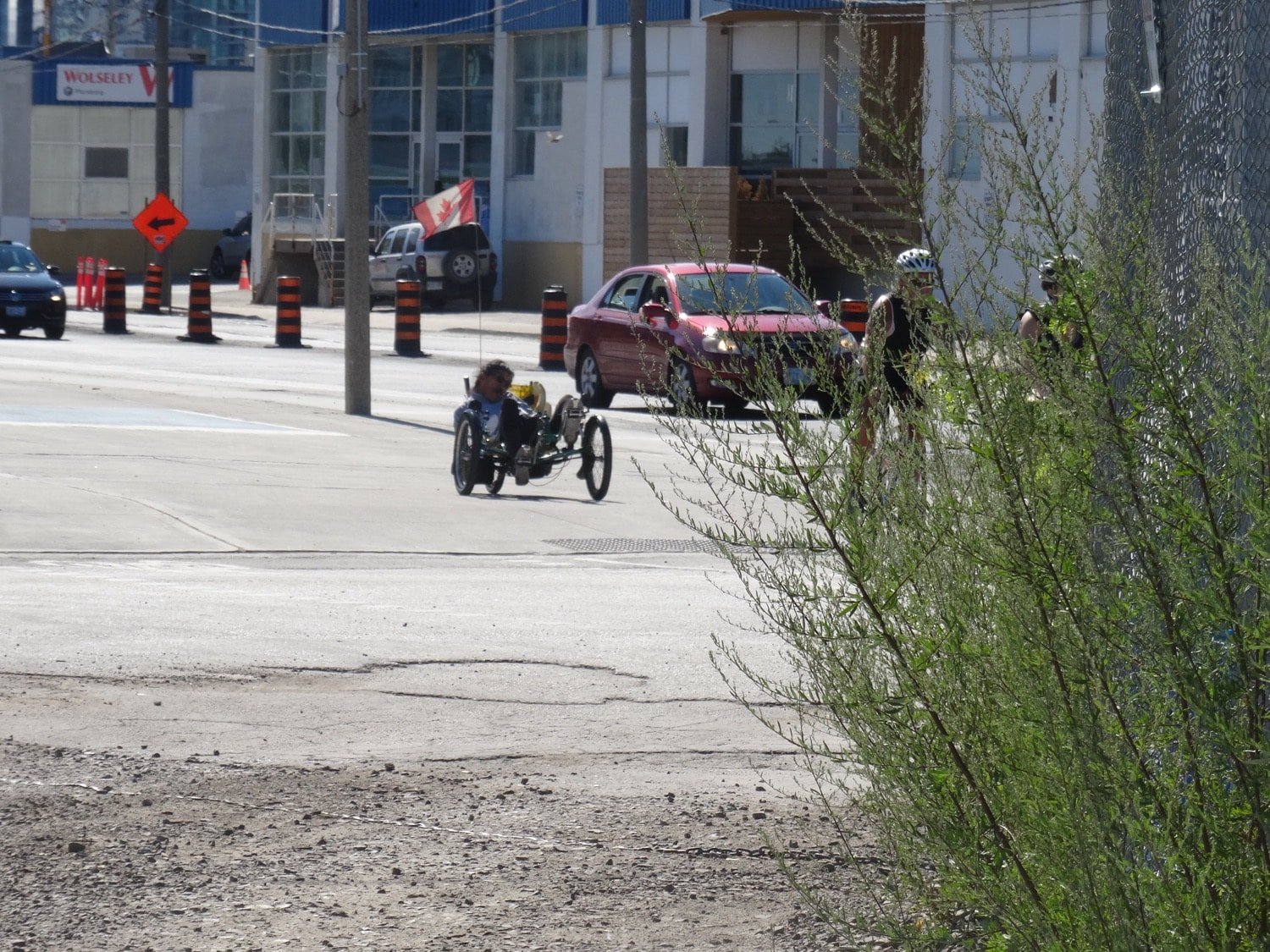
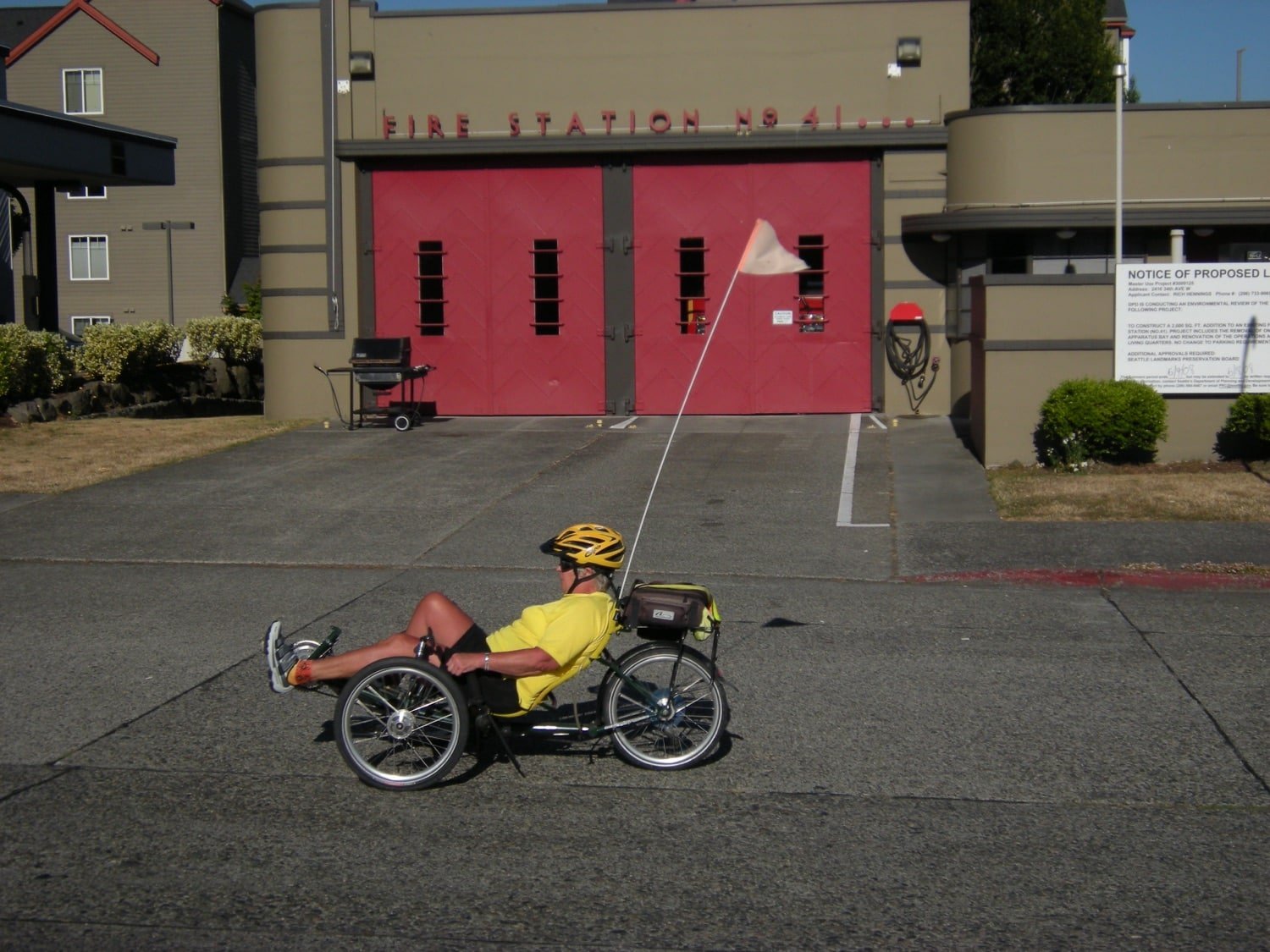
A semi-recumbent trike seats you low in a supportive chair-style seat with a backrest, torso only slightly reclined — an armchair angle, not a racing recumbent’s near-horizontal position. You sit down into it the way you sit into a chair. That changes four things at once: the back is supported, weight comes off the wrists and shoulders, the mounting movement disappears, and the centre of gravity drops.
That last point is where format choice stops being about comfort. The rider is the largest movable mass on the vehicle, so seat height dominates the centre-of-gravity height that governs rollover resistance. A semi-recumbent is structurally better on stability for the same reason it is comfortable — one design decision, not two.
Who buys each format, and where the sale happens
The two buyers look similar from a distance and behave completely differently:
| Upright buyer | Semi-recumbent buyer | |
|---|---|---|
| Typical profile | 60–80, still riding or recently stopped, fine in an upright posture | Arrives with a stated reason: back pain, joints, neuropathy, wrist or shoulder load, balance |
| What they need | Stability without changing how they ride | Supported posture, relaxed seating, no weight through the wrists |
| Price sensitivity | Hoch | Pays more, wants to sit on it first |
| Where the sale happens | Online research, often no test ride | Mobility and adaptive dealers, often after a fitting |
The channel implication is the whole point. If your route to market is marketplaces and direct-to-consumer, an upright range is what that channel can actually sell — the product explains itself in photographs. If you have, or can build, mobility and adaptive dealer relationships, the semi-recumbent range is where the margin, the differentiation and the subsidised segment live. Our guide to the best e-bikes for seniors gives a good sense of what this buyer group actually searches for.
How to weight a range (three ways in)
Selling online first? Lead with upright, and carry one semi-recumbent as the range-topper. The upright products pull the volume and the search demand; the semi-recumbent gives you something to show buyers who write in describing a back problem, and it seeds the dealer conversation later.
Selling through mobility and adaptive retail? Invert it. Lead with semi-recumbent — that channel exists precisely because the buyer needs something a marketplace cannot deliver — and keep one or two uprights for the customer who turns out not to need the full format.
Building both? Keep the shared componentry deliberate. A common battery, charger, controller and drive across both formats means one certified electrical system instead of two. That matters more in the US than anywhere else, because certification is scoped to the electrical system rather than the frame: two frame formats sharing one electrical architecture is a materially cheaper compliance position than two unrelated products.
What each format has to be engineered to do
Upright trikes fail on stability. The rider sits high, which raises the centre of gravity and lowers rollover resistance — the reason tip-over complaints recur across the US category. The answers are known: adequate track width, the lowest practical seat and frame height, a differential so the driven wheels behave predictably in a turn, braking that stays composed under combined braking and turning, and start-speed limiting in the controller. Anti-tilt provision belongs in the same conversation, because the upright format needs the help that the semi-recumbent format gets from geometry.
Semi-recumbent trikes fail on access and manoeuvring. The low seat that delivers the stability also sits the rider closer to the ground, so seat height, seat-to-pedal geometry and the clear space in front of the seat decide whether a 78-year-old can get in and out unassisted — which is the entire proposition. The other recurring objection is turning circle and overall length: a longer wheelbase parks worse and turns wider. The answer is a compact platform designed around that constraint, not a full-size recumbent trimmed down.
Both formats have to hold the same US envelope — 750 W, 20 mph motor-only, fully operable pedals, and a certified electrical system — and that is not format-specific. We explain the Class 1, 2 and 3 labels behind that envelope elsewhere, including why the wording matters more for trikes than most people expect.
Questions to ask the factory before you commit
Range planning conversations go wrong when they stay at model level. The useful questions are architectural:
- Can both formats share one electrical system, so certification is scoped once?
- What is the seat height and step-in clearance on the semi-recumbent, and the standover height on the upright — in millimetres, loaded?
- What is the track width on each, and the estimated loaded centre-of-gravity height?
- What is the turning circle on the semi-recumbent?
- Does the upright have a differential, anti-tilt provision and start-speed limiting?
- Can the factory adjust seat, track and drive behaviour to a heavier rider profile, or is the geometry fixed?
A factory that answers those questions has built for the use case. One that answers by sending a catalogue has not. If you’re comparing complete trike models rather than building a range, our Dreirädriger Lastenrad-Leitfaden covers what is worth paying for and what is not.
Häufig gestellte Fragen
Is a semi-recumbent trike better than an upright one?
Neither is better; they serve different buyers. Upright suits riders who want stability without changing how they ride and who buy online. Semi-recumbent suits riders with a back, joint, wrist or balance reason, who need supported posture and who buy after sitting on the product at a dealer.
Are semi-recumbent trikes more stable?
Structurally, yes — the low seated position puts the rider’s mass closer to the ground, lowering the centre of gravity that governs rollover resistance. Upright trikes can be engineered to be stable, but they have to work harder for it through track width, low frame design, differential behaviour and anti-tilt provision.
Should a distributor stock both formats?
Usually yes, weighted by channel. Online-first ranges should lead with upright and carry a semi-recumbent range-topper; mobility and adaptive dealer ranges should invert that. Sharing one electrical architecture across both keeps certification scoped once.
Which format qualifies for adaptive rebate categories?
Programmes vary, and eligibility turns on each programme’s own definitions rather than the frame format. Adaptive categories are where semi-recumbent products most often fit, and several programmes require a fitting appointment for adaptive purchases — which requires a physical dealer.
What is the difference between semi-recumbent and full recumbent?
Seat angle. A semi-recumbent seats the rider in a chair-like posture, torso only slightly reclined, head well above the seat back — designed for easy entry and everyday use. A full recumbent seats the rider near-horizontal, which is a performance geometry and unsuitable for the access requirements of this market.
Verweise
- United Mobility — Semi-Recumbent vs Upright Electric Trike: Building a US Range
- United Mobility — The US Senior E-Trike Market: What the Data Actually Shows
- United Mobility — Electric Trike Stability Engineering: Designing Out Tip-Over
- United Mobility — State E-Bike Incentives for Electric Trikes
- United Mobility — UL 2849 for Electric Trikes: What US Entry Actually Requires