 CS
CS  EN
EN  DE
DE  NL
NL  IT
IT  FR
FR  ES
ES  PT
PT  DA
DA  SV
SV  FI
FI  EL
EL  HU
HU  ET
ET  BG
BG  PL
PL  JA
JA  KO
KO 
Pokud dovážíte e-kola, e-nákladní kola nebo elektrické tříkolky do evropské země pod vlastní značkou, jste “výrobcem” podle práva EPR — ne továrna, která je vyrobila. EPR pro dovozce e-kol začíná třemi registracemi ještě předtím, než dorazí váš první kontejner: WEEE pro kolo, baterie pro akumulátor a obaly pro vše kolem něj.
Tento průvodce pokrývá, kdo se počítá jako výrobce, tři povinné toky, past v rozsahu kolem tříkolek, data 2025–2027, která mění papírování, a jak vypadá vymáhání, když se to pokazí.
Kdo se počítá jako výrobce? (Jste to vy, ne továrna)
Podle každého evropského režimu EPR je výrobcem společnost, která produkt poprvé uvádí na daný národní trh. Dovážíte kontejner nákladních kol z továrny mimo EU, prodáváte je v Německu pod svou značkou a německé právo vás považuje za výrobce — s registračními, ohlašovacími a finančními povinnostmi spojenými s vaší společností, vaším DIČ a vaší značkou.
To není mezera, kterou za vás může uzavřít váš výrobce. Registrace EPR je vázána na právní identitu společnosti prodávající na trhu. Co výrobce může udělat — a v čem se dodavatelé výrazně liší — je poskytnout vám produktová data, na kterých stojí každá registrace a prohlášení: hmotnosti obalů podle materiálu, chemie a hmotnost baterie, hmotnosti jednotek, doklady o označení. Bez tohoto datového balíčku se dodržování EPR stává hádáním. S ním se stává administrativou.
Tři registrace, které e-kolo spouští
Jediné dovezené e-kolo spouští až tři samostatné toky EPR, každý s vlastním registrem, vlastními poplatky a vlastním ročním prohlášením. Neslučují se, i když se týkají jednoho produktu.
| Tok | Právní základ | Co pokrývá na e-kole | Typický registr |
|---|---|---|---|
| WEEE / EEE | Směrnice WEEE 2012/19/EU a národní pravidla | Samotné vozidlo: motor, řídicí jednotka, displej, kabeláž | Národní registr WEEE, např. Stiftung EAR v Německu nebo systém shody výrobců ve Spojeném království |
| Baterie | Nařízení EU o bateriích (EU) 2023/1542 | Lithium-iontový akumulátor — včetně akumulátorů zabudovaných v kole a náhradních akumulátorů prodávaných samostatně | Národní registr baterií v každém členském státě, kde prodáváte |
| Obaly | Národní zákony o obalech; Nařízení EU o obalech od 12. srpna 2026 | Kartón, pěna, fólie, pásky, palety — vše kolem kola | Národní registr obalů, jako je LUCID v Německu, plus licencovaný systém recyklace |
Dva detaily běžně chytí nové dovozce. Za prvé, baterie zabudovaná uvnitř kola se stále počítá jako baterie uvedená na trh: kolo spouští registraci WEEE a jeho baterie samostatně spouští registraci baterií, a obě musí existovat před prodejem. Za druhé, povinnosti k obalům se počítají ze všeho, co uvedete — včetně exportního kartónu, do kterého vaše továrna kolo zabalila. Složení materiálu a hmotnost toho kartónu, podle modelu, jsou data, která má pouze váš výrobce.
Dvě kola vs tři kola: past v rozsahu, kterou většina průvodců vynechává
Směrnice WEEE vylučuje “dopravní prostředky pro osoby nebo zboží” ze svého rozsahu — a pak jednu kategorii vrací zpět: elektrická dvoukolová vozidla, která nemají typové schválení. Kolo s pedálovou asistencí 250 W nebo nákladní kolo long-john je osvobozeno od typového schválení EU, takže spadá přímo do rozsahu WEEE. To je napříč Evropou vyřešeno.
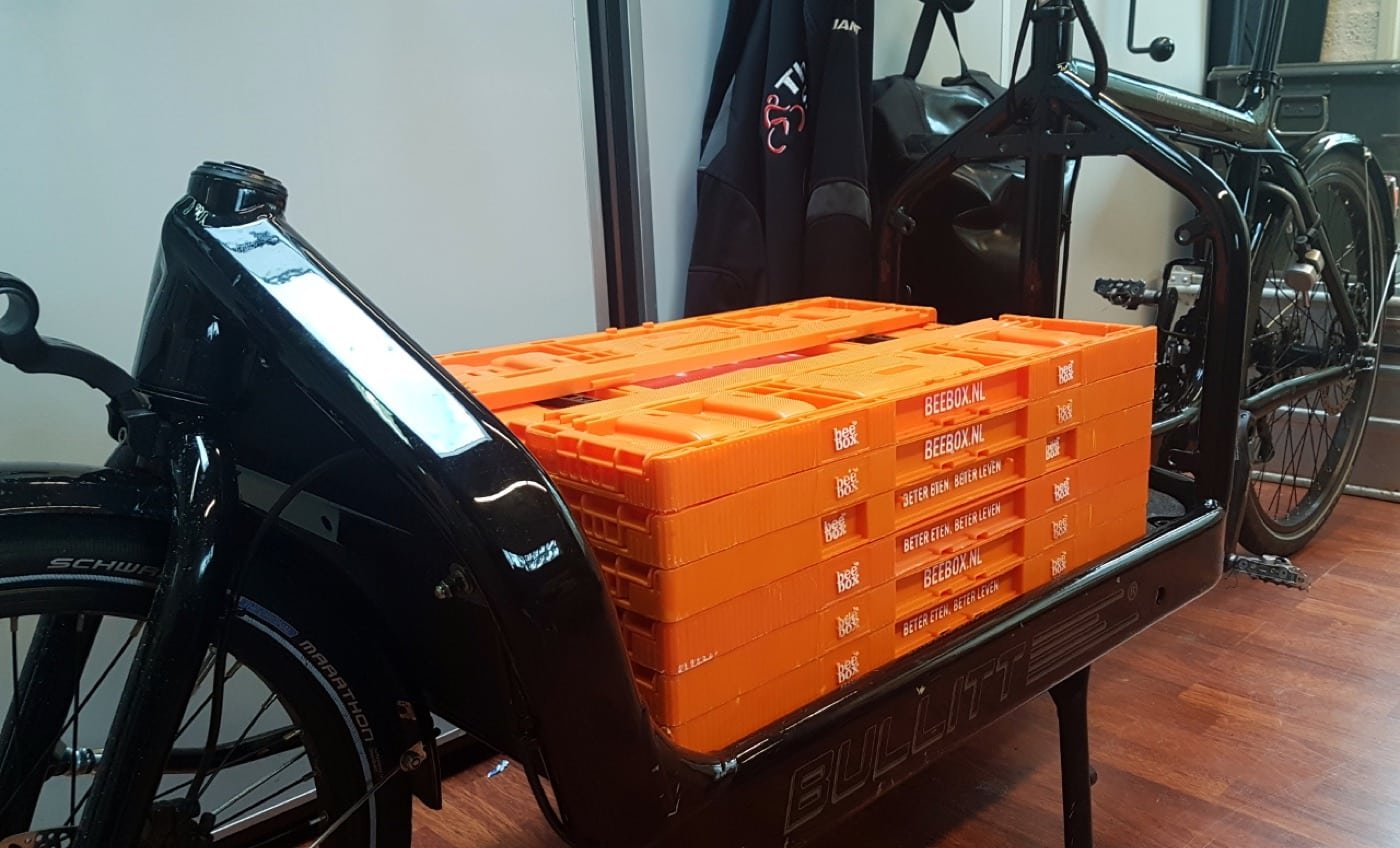
Elektrické tříkolky jsou zajímavý případ. Podle doslovného znění směrnice jsou do rozsahu vrácena pouze dvoukolová vozidla, takže tříkolové nákladní kolo nebo pololežící tříkolka zůstává “dopravním prostředkem” a pravděpodobně stojí mimo WEEE. V praxi si národní registry vykládají rozsah samy a výklady nejsou jednotné.
Z toho plynou tři praktické důsledky. Nikdy nepředpokládejte, že tříkolka je osvobozena od WEEE, bez písemného posouzení rozsahu od národního registru nebo vašeho poskytovatele shody v každé cílové zemi. I když tříkolka spadá mimo WEEE, její povinnosti k bateriím a obalům platí v plném rozsahu — tyto toky nemají žádnou výjimku pro dopravní prostředky. A pokud váš sortiment mísí dvoukolky a tříkolky, vaše prohlášení WEEE může oprávněně pokrývat pouze část vašeho objemu, takže vaše struktura hlášení musí oddělit obě od prvního dne. To znamená, že data vašeho výrobce musí být rozdělena podle modelu, ne podle zásilky. Náš průvodce tříkolovými nákladními koly pokrývá, co se v této kategorii skutečně vyplatí koupit, když už jste u toho.
Tři data, která mění papírování
srpna 2025 — registrace výrobců baterií se stala povinnou všude. Nařízení EU o bateriích nahradilo starou mozaiku přímo použitelným nařízením. Od tohoto data musí být výrobce registrován v registru baterií každého členského státu, kde jsou jeho baterie uváděny na trh, včetně baterií zabudovaných do vozidel. Baterie e-kol spadají pod kategorii LMT (lehké dopravní prostředky) podle nařízení, která má vlastní cíle sběru a pravidla označování. Pokud jste začali prodávat před dokončením registrace baterií, vyřešte to nyní, spíše než čekat na dotaz z tržiště nebo úřadu.
srpna 2026 — Nařízení EU o obalech se začne uplatňovat. Harmonizuje pravidla designu obalů, požadavky na recyklovaný obsah a označování v celé EU. Co nedělá, je centralizace administrativy EPR: registrace, sazby poplatků a prohlášení zůstávají národní. Očekávejte, že data požadovaná národními systémy budou podrobnější — hodnocení recyklovatelnosti a recyklovaný obsah budou stále více ovlivňovat poplatky, které platíte za kilogram, což činí specifikaci obalů z vaší továrny nákladovým dokumentem, ne jen dokumentem shody.
Únor 2027 — bateriový pas dorazí pro baterie LMT. Od počátku roku 2027 musí nově uváděné baterie LMT na trh EU nést digitální pas baterie: záznam přístupný přes QR kód, pokrývající složení, kapacitu a údaje o dodavatelském řetězci, připravený na úrovni výroby. Toto je jedna z mála povinností souvisejících s EPR, kde pracovní zátěž skutečně leží na začátku řetězce – data musí pocházet z dodavatelského řetězce baterií. Při porovnávání výrobců pro objednávky, které se budou stále prodávat v roce 2027, je připravenost na pas baterie spravedlivou a stále nezbytnější otázkou k projednání. Co znamenají data o bateriích pro každodenní jízdu, náš průvodce správou baterií e-kol vysvětluje elektrickou stránku.
Jak vypadá skutečné vymáhání
Vymáhání EPR málokdy začíná inspektorem ve vašem skladu. Začíná žádostí o soulad s tržištěm, dotazníkem od zákazníka ohledně nákupu nebo hlášením konkurenta do národního registru.
Německo a Francie vedou. Online tržiště tam mají zákonnou povinnost ověřovat registrační čísla prodejců EPR a odstraňovat produkty bez nich z nabídky a německé úřady mohou uvalit zákazy distribuce a značné pokuty za prodej před registrací. Tento vzorec se šíří: podle pravidel EU pro dohled nad trhem platformy v celé Unii stále častěji vyžadují čísla WEEE, baterií a obalů jako podmínku pro zařazení do nabídky.
Finanční expozice je asymetrická. Řádná registrace stojí administrativní čas a poplatky za kilogram. Pozdní registrace obvykle znamená zpětné doplacení poplatků za vše, co se již prodalo, možné pokuty a v nejhorším případě zastavení prodeje, dokud se papírování nedohoní – přesně když zboží leží ve skladu a nabíhá na něm náklad. Náš týdenní přehled novinek o regulaci e-biků ve Spojeném království a Evropě sleduje tyto změny vymáhání, jak k nim dochází.
Co udělat, než dorazí váš první kontejner
- Vyberte si první jeden nebo dva trhy a dokončete registrace pro ně, než zboží odešle.
- Požádejte svého výrobce o datový balíček pro každý model – hmotnosti obalů, údaje o bateriích, hmotnosti jednotek, důkazy o označení – a zkontrolujte ho před výrobou, ne po ní.
- Získejte písemné posouzení rozsahu pro všechny tříkolové modely ve vaší nabídce.
- Vytvořte jeden soubor hlášení pro každý model, aby všechna národní prohlášení čerpala ze stejných čísel.
Pokud jsou obaly vaší největší položkou hmotnosti, průvodce materiály pro přepravní boxy je dobrým místem, kde začít chápat, co vlastně uvádíte na trh.
Často kladené otázky
Může se můj čínský výrobce registrovat pro EPR v Evropě?
Ne. Povinnosti EPR se vážou na společnost, která produkt poprvé uvádí na vnitrostátní trh, což je u dováženého zboží dovozce nebo vlastník značky. Úlohou výrobce je dodávat data o produktu a obalu, na kterých vaše registrace závisí — proto je datová schopnost skutečným kritériem výběru dodavatele.
Spadá elektrokolo pod směrnici WEEE?
Ano. Elektrická dvoukolová vozidla, která nejsou typově schválena — včetně pedeleců s výkonem 250 W a nákladních kol — jsou výslovně v rozsahu WEEE. Elektrické tříkolky jsou na základě znění směrnice méně jednoznačné a klasifikaci je třeba potvrdit s každým vnitrostátním registrem.
Potřebuji samostatnou registraci pro baterie instalované v kolech?
Ano. Baterie uvedená na trh uvnitř zařízení se stále počítá jako baterie uvedená na trh. Kolo spouští registraci WEEE a baterie spouští registraci baterií — dva registry, dvě prohlášení, v každé zemi, kde prodáváte.
Co když prodávám pouze velkoobchodně nebo obchodním zákazníkům?
EPR se stále uplatňuje. Vztahuje se na uvádění produktů na trh bez ohledu na to, zda je prvním zákazníkem spotřebitel nebo podnik. Některé země rozlišují domácí a profesionální zařízení v poplatkových strukturách a logistice zpětného odběru, ale registrace je vyžadována v obou případech.
Může jedna registrace pokrýt všechny země EU?
Ne. Navzdory rámcovému právu EU jsou registry EPR vnitrostátní. Prodej v pěti zemích obvykle znamená registraci v pěti zemích až ve třech tocích v každé — jeden z důvodů, proč dovozci plánují vstup na trh postupně, spíše než aby spouštěli vše najednou.
Reference
- EUR-Lex — Směrnice 2012/19/EU o odpadních elektrických a elektronických zařízeních (WEEE)
- EUR-Lex — Nařízení (EU) 2023/1542 o bateriích a odpadních bateriích
- EUR-Lex — Nařízení (EU) 2025/40 o obalech a obalových odpadech (text ELI)
- Evropská komise — Tématická stránka o obalových odpadech
- GOV.UK — Elektrická a elektronická zařízení (EEZ): odpovědnost výrobce
- GOV.UK — Odpovědnost výrobce za obaly
- stiftung ear — Žádost o registraci WEEE jako zahraniční společnost
- ADEME — Filières REP
- Ecologic — Francouzská ekoorganizace pro WEEE a sport & volný čas
- United Mobility — EPR pro dovozce elektrokol v Evropě