
 ET
 EN
 DE
 NL
 IT
 FR
 ES
 PT
 DA
 SV
 FI
 CS
 EL
 HU
 BG
 PL
 JA
 KO
This week’s cargo bike weekly roundup is dominated by policy. In Brussels, MEPs voted to keep e-bikes and cargo bikes in the EU’s Clean Corporate Vehicles Regulation — but only in a weakened recital rather than binding articles. Barcelona confirmed plans to subsidise e-bikes from 2027, AURUM entered the e-bike market with an 11.5 kg model, and a Swiss investor publicly regretted losing its bid to rescue Ghost. For cargo bike manufacturers and fleet buyers, the common thread is clear: subsidy and procurement frameworks are shifting, and the detail matters more than the headline.
Brussels Waters Down Cycling’s Role in the Clean Corporate Vehicles Regulation
Background: in May 2026, S&D MEPs François Kalfon and Tiemo Wölken tabled a draft report that placed cycling-related provisions inside the concrete legal articles of the proposed Clean Corporate Vehicles Regulation, including references to company bike leasing alongside cycling logistics. Until this week, that draft represented the high-water mark for cycling in the file.
On 4 November 2026, the European Parliament’s Environment (ENVI) and Transport (TRAN) Committees voted on a compromise text. European Cycling Industries (ECI) and the European Cyclists’ Federation (ECF) reported on 5 November that the cycling provisions had been substantially weakened during committee negotiations. Two changes stand out. First, the provisions are no longer in the legal articles; they now sit in a recital, which is interpretive text rather than an operative obligation. Second, references to company bike leasing next to cycling logistics were removed.
The recital that survived focuses on cycling’s role in urban logistics. ECI and ECF argue that this captures only one part of corporate mobility, and that employee mobility through company bike leasing is a proven, scalable model. They cite Germany, where more than 2.2 million leased company bikes are in active use and generate €3 billion annually. ECF estimates a positive health impact of more than €112 billion and more than 30,000 premature deaths avoided per year at current cycling levels. Belgium is held up as an example of company bike leasing and corporate vehicle electrification developing side by side.
Paul Walsh, CEO of ECI, said Europe cannot afford to overlook clean mobility solutions already delivering results, adding that company bike leasing and commercial cargo bike fleets help businesses reduce costs and emissions while supporting European manufacturing and services. Laurianne Krid, CEO of ECF, described cycling as a cost-effective decarbonisation lever with additional co-benefits, and called on Member States to include support for company bikes and cargo bikes in their fleet decarbonisation plans.
Why it matters: the regulation is expected to require Member States to submit national implementation plans to the Commission. ECI and ECF want those plans to be able to account for support schemes for company bikes and cargo bikes. A recital-only mention is weaker than an article, but it is not nothing — it gives Member States a hook. This suggests the lobbying battle now moves to the next stages of the legislative process and to national capitals. For fleet operators, this could mean that whether cargo bikes count towards corporate fleet decarbonisation targets will depend on how individual Member States draft their plans. Buyers evaluating fleet replacement cycles should watch national consultations rather than assume a uniform EU position. Our guide to fleet-ready cargo bike specs is a useful reference when building a procurement case.
What to watch next: whether the recital text is expanded to cover company bike leasing before the file reaches later stages, and which Member States signal support schemes in their national plans.
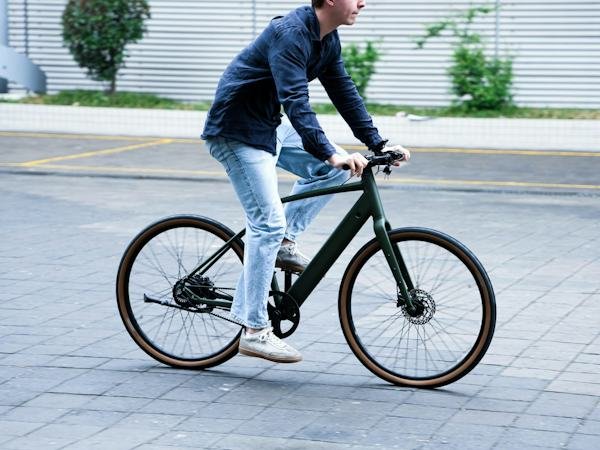
Barcelona Plans E-Bike Subsidies for 2027
Background: Barcelona has not, until now, been confirmed as running a dedicated e-bike purchase subsidy scheme for 2027. The city’s plans were reported this week by Bike Europe, with the headline confirming that subsidies are planned for 2027.
The confirmed facts are narrow: Barcelona plans to promote e-bikes with subsidies in 2027. The reporting does not disclose subsidy levels, eligibility criteria, whether cargo bikes are included, or whether the scheme is aimed at consumers, businesses or both. Those details remain unpublished.
Why it matters: city-level purchase incentives have repeatedly proven to be one of the fastest levers for commercial e-bike uptake, particularly where they extend to cargo bikes used for last-mile delivery. For cargo bike manufacturers, a Barcelona scheme would represent a new demand signal in a Spanish market that has lagged Northern European peers. For fleet operators running urban delivery in Catalonia, a subsidy could shorten payback periods on fleet conversion. However, without published criteria, it is too early to model. This suggests suppliers should monitor the scheme’s design phase closely — the difference between a consumer-only rebate and a business-facing cargo bike grant is significant for B2B sales planning.
What to watch next: the publication of eligibility rules, budget size and whether cargo bikes and business purchasers are explicitly included. Operators expanding into Spain should also check registration obligations; our overview of e-bike EPR registration across seven markets sets out what is required.
AURUM Enters E-Bike Market with 11.5 kg NOVA
Background: AURUM had not previously offered an e-bike. Until this week, the brand’s position in the market did not include a powered model.
AURUM has entered the e-bike market with the NOVA, an 11.5 kg e-bike built around the Mahle X20 drive system, according to Bike Europe. The weight figure places the NOVA in the lightweight, road-oriented segment rather than the utility or cargo category.
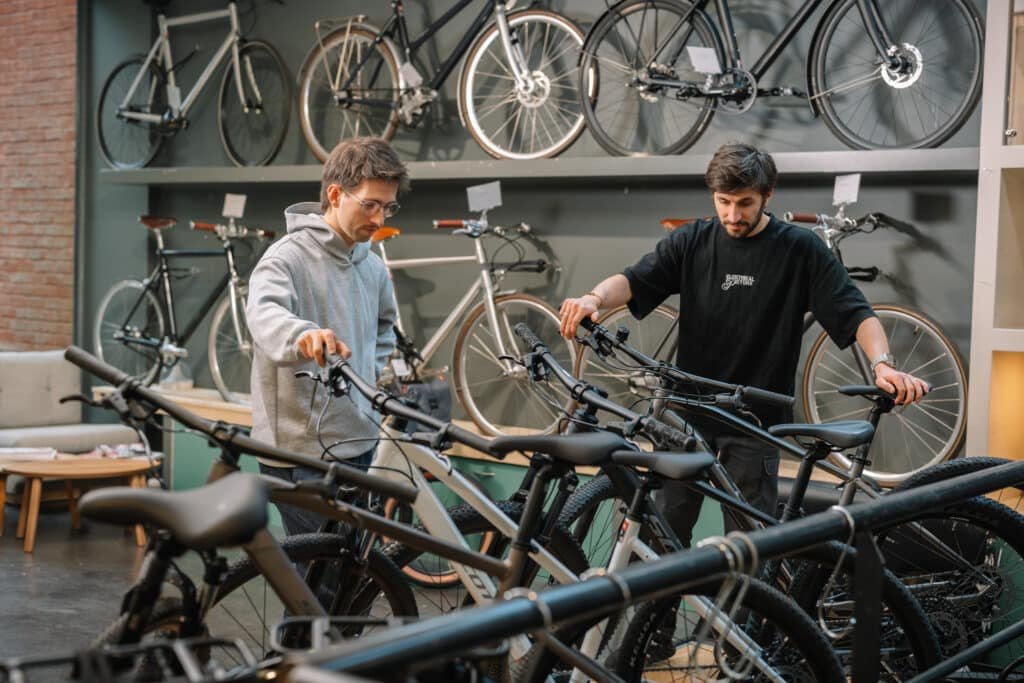
Why it matters: this is a consumer and sport-focused launch, not a commercial vehicle. Its relevance to cargo bike manufacturers is indirect but real. Lightweight drive systems such as the Mahle X20 demonstrate how far motor and battery integration has come at low weight — technology that eventually informs the design of lighter commercial platforms. For fleet buyers, the story is a reminder that the e-bike market continues to fragment into distinct segments, and that specification language matters when comparing suppliers. Our explainer on e-bike manufacturers is helpful context when assessing who builds what.
What to watch next: whether AURUM extends the platform beyond road and leisure use, and how the 11.5 kg benchmark pressures other brands in the lightweight segment.
Netcycle Regrets Rejection of Its Ghost Rescue Bid
Background: Ghost, the German bike brand, has been the subject of a rescue process. Until this week, a bid from Swiss investor Netcycle was among the options under consideration.
Netcycle’s rescue bid for Ghost was rejected, and the Swiss investor has publicly expressed regret at the outcome, Bike Europe reported on 4 November 2026. The reporting confirms the rejection and Netcycle’s reaction; it does not disclose the identity of the successful party, the terms of the rejected bid, or the future ownership structure of Ghost.
Why it matters: consolidation and rescue activity in the bicycle sector affects supply chains well beyond the brands involved. Ghost has been a significant European bike brand, and changes in ownership can disrupt component supply, dealer agreements and warranty continuity. For cargo bike manufacturers sourcing components or sharing suppliers with distressed brands, ownership transitions are a supply-risk signal. For fleet operators, the practical question is continuity of service and parts for any Ghost products in a mixed fleet. This suggests procurement teams should confirm warranty and spares arrangements whenever a supplier changes hands.
What to watch next: confirmation of the approved buyer, the treatment of existing dealer and warranty obligations, and whether further distressed assets come to market.
Mida me järgmisena jälgime
Three threads to track. First, the next stage of the Clean Corporate Vehicles Regulation, where ECI and ECF will push to restore company bike leasing and move cycling provisions back towards operative text. Second, the design detail of Barcelona’s 2027 subsidy scheme, particularly whether cargo bikes and business buyers qualify. Third, the resolution of the Ghost ownership question and what it signals about consolidation pressure across European bike brands. For operators planning 2027 fleets, national implementation plans and city-level incentives are now the two variables most likely to change the business case.