
 IT
IT  EN
EN  DE
DE  NL
NL  FR
FR  ES
ES  PT
PT  DA
DA  SV
SV  FI
FI  CS
CS  EL
EL  HU
HU  ET
ET  BG
BG  PL
PL  JA
JA  KO
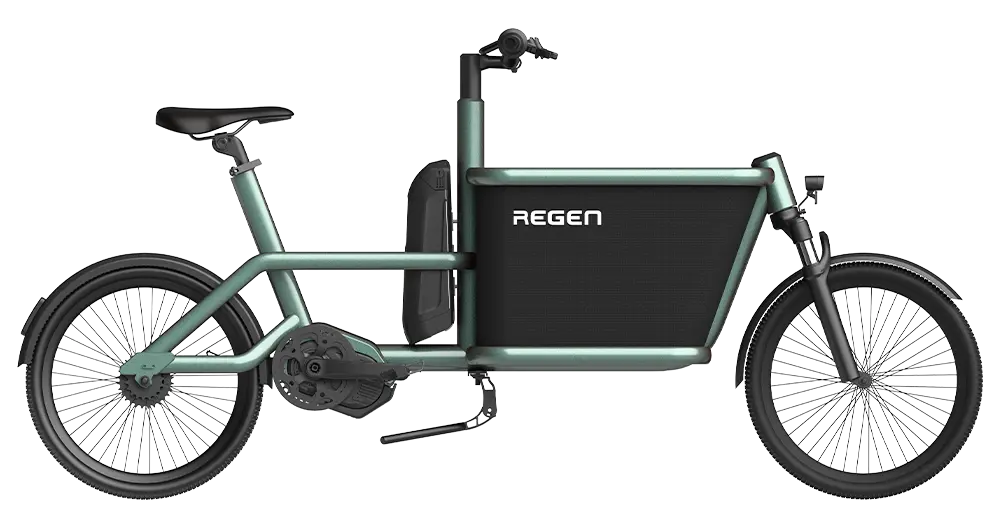
KO If you’re managing a fleet of electric cargo bikes, getting the tire size right is not just about a smooth ride—it’s about safety, uptime, and your bottom line. The most common cargo bike tire sizes are 20-inch and 26-inch, with widths typically between 2.0 and 2.5 inches, but there is no universal standard. The exact size depends on your bike’s type (long john, long tail, front-loader) and manufacturer. This guide breaks down the common sizes, shows you how to find the precise size using the ISO/ETRTO system, and offers fleet-specific advice on choosing durable tires.
Common Cargo Bike Tire Sizes by Bike Type
Electric cargo bikes come in a variety of configurations, each with its own wheel and tire sizes. Understanding the common sizes for each type is the first step in ensuring you order the correct replacements.
Long John (Front-Loader) Bikes
Long John bikes, also known as front-loaders, typically use a smaller front wheel (often 20 inches) and a larger rear wheel (often 26 inches). The smaller front wheel allows for a lower cargo platform, improving stability. Tire widths for these bikes generally range from 2.0 to 2.5 inches to handle heavy loads.
Long Tail Bikes
Long Tail bikes, such as the Riese & Müller Load or Tern GSD, often use 20-inch wheels on both the front and rear, or occasionally a 26-inch on the rear. The smaller wheel diameter lowers the centre of gravity, which is beneficial when carrying passengers or bulky goods. Widths again typically fall between 2.0 and 2.5 inches.
Front-Loader Box Bikes
Front-loader box bikes, like the Urban Arrow, may use a 20-inch front wheel and a 26-inch rear wheel, similar to long johns. However, some models use 26-inch wheels throughout, especially for larger cargo capacities.
It is important to note that there is no universal ‘standard’ size for cargo bikes. Always check your specific model’s specifications.
How to Find the Correct Tire Size for Your Cargo Bike
Accurate tire sizing is critical for safety and performance. The most reliable method is to use the ISO (ETRTO) sizing system, which provides the tire’s width in millimetres and the rim’s bead seat diameter in millimetres. For example, a common cargo bike tire might be marked as ’50-406′, meaning 50 mm wide and 406 mm in diameter (which corresponds to a 20-inch wheel).
To find the correct size, follow these steps:
- Check the tire sidewall: Look for a series of numbers and letters, such as ’20 x 2.0′ or ’50-406′. The ISO/ETRTO format (e.g., 50-406) is the most accurate.
- Inspect the wheel rim: The rim may have a stamp indicating the ETRTO diameter (e.g., ‘ETRTO 406’). This is the definitive measurement for wheel size.
- Consult the manufacturer’s manual: For fleet bikes, the original equipment manufacturer (OEM) manual will list the exact tire specifications. If you have multiple units, verify that all bikes use the same size.
- Contact the manufacturer or dealer: If you are unsure, reach out to the brand’s technical support with your bike’s model and year. They can confirm the correct tire size.
Avoid relying solely on imperial measurements (e.g., ’20 inches’) as they can be ambiguous; the ISO/ETRTO system is the industry standard for precise fitment.
Tire Size Comparison Table: Popular Cargo Bike Models
To give you a clearer picture, here are the tire sizes for some popular cargo bike models. Note that these are examples and can vary by model year and configuration.
| Bike Model | Front Tire Size (Imperial) | Front Tire Size (ETRTO) | Rear Tire Size (Imperial) | Rear Tire Size (ETRTO) |
|---|---|---|---|---|
| Riese & Müller Carico | 20 x 2.0 | 50-406 | 26 x 2.0 | 50-559 |
| Sterna tedesca | 20 x 2.0 | 50-406 | 20 x 2.0 | 50-406 |
| Freccia urbana | 20 x 2.0 | 50-406 | 26 x 2.0 | 50-559 |
| Long John (typical) | 20 x 2.0 | 50-406 | 26 x 2.0 | 50-559 |
| Long Tail (typical) | 20 x 2.0 | 50-406 | 20 x 2.0 | 50-406 |
Always verify with your specific bike’s manual, as manufacturers may change sizes between model years.
Cargo Bike Tire Width: How Wide Should You Go?
Tire width is a trade-off between stability and rolling resistance. Wider tires (2.5 inches and above) offer more stability and can carry heavier loads, but they also increase rolling resistance, which can reduce range and efficiency. Narrower tires (around 2.0 inches) are more efficient but may feel less stable, especially when carrying heavy cargo.
Stability vs. Rolling Resistance
For a cargo bike, stability is often more important than outright speed. A wider tire provides a larger contact patch, which improves grip and stability, particularly when cornering or riding on uneven surfaces. However, this comes at the cost of higher rolling resistance, which can be noticeable on long rides or when the battery is low.
Load Support and Tire Pressure
Wider tires can also support heavier loads at lower pressures, which improves comfort. However, running too low a pressure can cause pinch flats and increase the risk of rim damage. Always check the tire’s maximum load rating and recommended pressure range. For cargo bikes, pressures often range from 30 to 50 PSI, but adjust based on the load and manufacturer’s recommendations.
Fleet Maintenance: Choosing Durable Tires for Your Cargo Bike Fleet
When managing a fleet, tire selection goes beyond just size. You need tires that offer durability, load capacity, and ease of maintenance to minimise downtime.
Durata
Look for tires with a robust casing and puncture-resistant layers. Many cargo bike tires are designed for high-mileage urban use, with reinforced sidewalls to withstand kerb impacts. Consider tires with a higher TPI (threads per inch) for better puncture resistance, but balance this with rolling resistance and comfort.
Capacità di carico
Check the tire’s maximum load rating, usually printed on the sidewall. Cargo bikes can carry significant weight, so ensure the tire can support both the bike’s weight and the intended cargo. For example, a tire rated for 150 kg may be suitable for a single-rider cargo bike, but a tandem or heavily loaded fleet bike may require a higher rating.
Maintenance Ease
Choose tires that are easy to install and remove, as this will speed up replacements. Tubeless-ready tires can reduce punctures but require compatible rims and sealant. For fleet operations, you may prefer tubes for simplicity, or tubeless for reduced flat frequency – weigh the pros and cons for your specific routes.
Standardise tire sizes across your fleet where possible. If you have multiple bike models, consider consolidating to one or two tire sizes to simplify inventory and reduce costs. Keep a small stock of spare tires and tubes for each size, and train your maintenance staff on correct fitting procedures.
When to Replace Cargo Bike Tires: Signs of Wear
Knowing when to replace tires is crucial for safety and cost-effectiveness. Here are key indicators:
- Tread Wear Indicators: Many tires have wear indicators – small raised bars in the tread grooves. When the tread is worn level with these bars, it’s time to replace.
- Cuts, Cracks, and Bulges: Inspect tires regularly for cuts, cracks, or bulges in the sidewall or tread. These can lead to blowouts.
- Frequent Flats: If you’re getting more flats than usual, the tire may be worn or compromised. Replacing it can reduce downtime.
Proactive replacement is cheaper than emergency repairs and keeps your fleet safe.
Domande frequenti
What is the most common tire size for an electric cargo bike?
There’s no single standard, but 20-inch wheels are very common on the front of Long John bikes and on both wheels of many Long Tail models. Tire widths typically range from 2.0 to 2.5 inches. Always check your specific model’s specifications.
How do I find the ETRTO size of my cargo bike tire?
Look on the tire sidewall for a number like 50-406. The first number is the width in millimetres, the second is the bead seat diameter (rim diameter) in millimetres. This is the most accurate way to identify the size.
Can I use a wider tire on my cargo bike rims?
You can often go slightly wider, but it depends on your rim width and frame clearance. Check the rim’s ETRTO width and the manufacturer’s recommendations. A wider tire may increase stability but also rolling resistance.
What tire pressure should I use for cargo bike tires?
The recommended pressure is usually printed on the tire sidewall. For cargo bikes, it’s often between 30-50 PSI, but adjust based on load. Heavier loads require higher pressure to prevent pinch flats, but don’t exceed the max rating.
Are tubeless tires worth it for a cargo bike fleet?
Tubeless tires can reduce punctures and allow lower pressures for comfort, but they require compatible rims and regular sealant maintenance. For fleets, weigh the reduced downtime against the added complexity; some operators prefer tubes for simplicity.
Conclusione
Determining the correct cargo bike tire size requires understanding your bike type and using precise ISO/ETRTO measurements. Always verify sizes against your bike’s manual or rim markings, and choose durable, load-appropriate tires to keep your fleet running efficiently. By standardising sizes and maintaining a small inventory, you can reduce downtime and extend the life of your cargo bikes. For more insights, check our cargo bike tire guide E cargo bike tire maintenance tips. If you’re also considering electric cargo bike tire sizes for new purchases, our buying guides can help.