
 NL
NL  EN
EN  DE
DE  IT
IT  FR
FR  ES
ES  PT
PT  DA
DA  SV
SV  FI
FI  CS
CS  EL
EL  HU
HU  ET
ET  BG
BG  PL
PL  JA
JA  KO
KO Laatst bijgewerkt: juli 2026
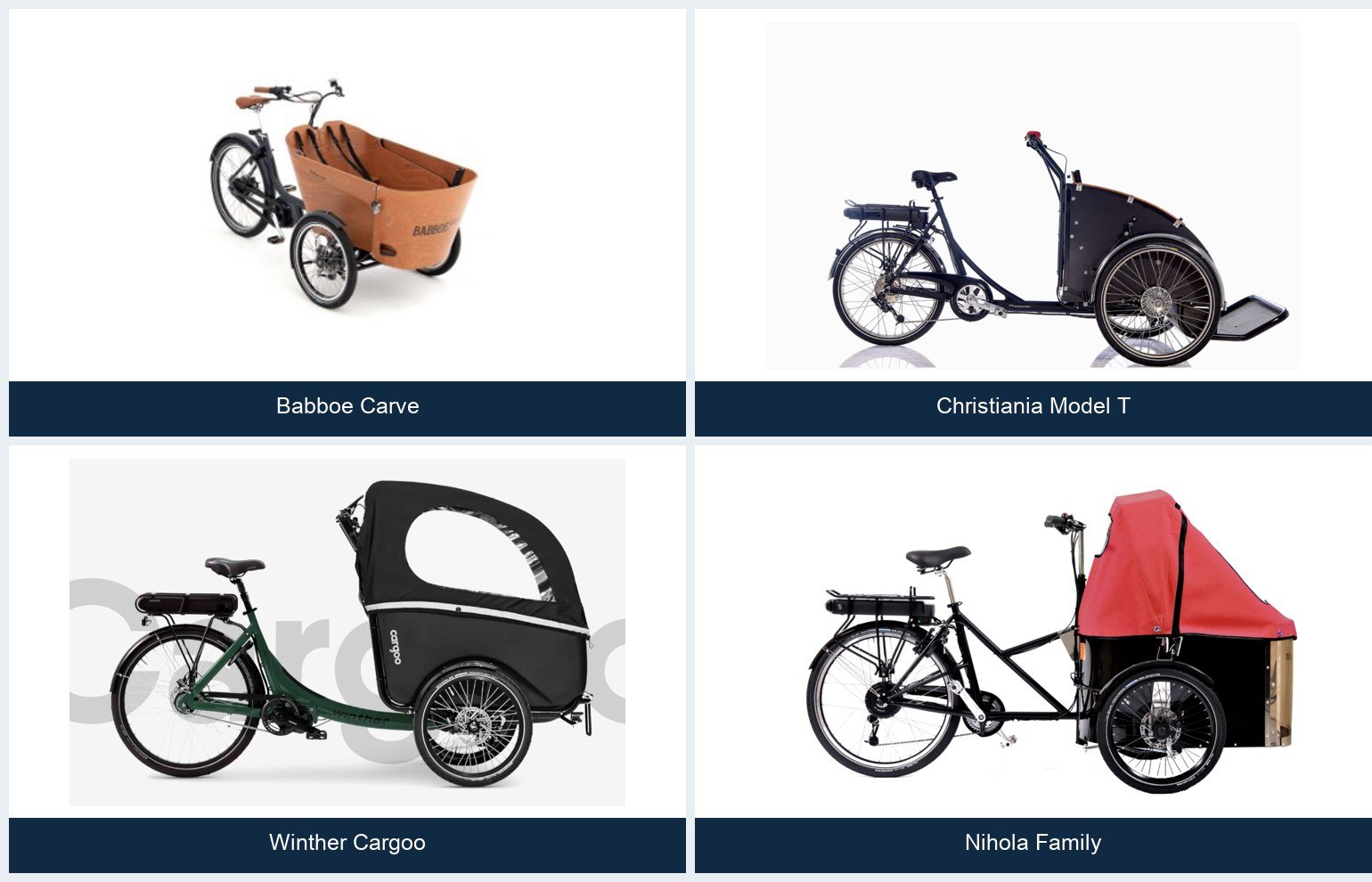
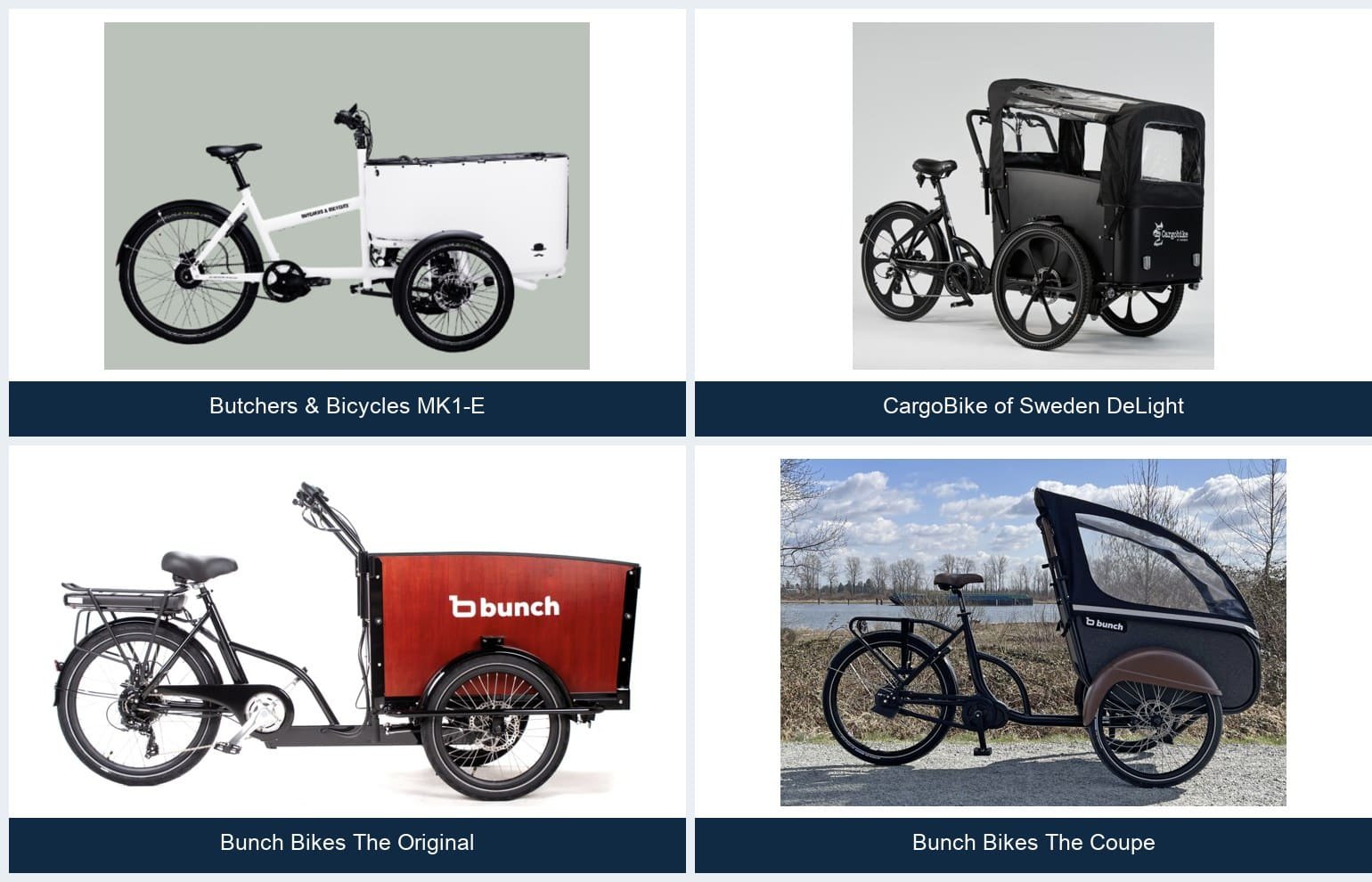
Winther Kangaroo Luxe en Cargoo zijn sterke referenties voor kindervervoer; Christiania en Nihola vertegenwoordigen gevestigde utilitaire driewielarchitectuur; Butchers & Bicycles MK1-E richt zich op kopers die een kantelend chassis zoeken; Bunch Bikes en CargoBike of Sweden bieden grote cabinevarianten voor gezinnen en specialisten. Lezers die driewielers vergelijken met longtails en tweewielige voordragers kunnen beginnen met onze bredere beste bakfietsen van 2026 shortlist. Deze selectie is gebaseerd op product- en marktonderzoek in plaats van gecontroleerde wereldwijde verkoopvolumes.
Beste driewielige vrachtfietsen vergeleken
| Model | Chassisbenadering | Beste gebruik | Belangrijkste afweging |
|---|---|---|---|
| Winther Kangaroo Luxe | Stijf tadpole-driewiel met voorveringfuncties | Gezinsvervoer voor meerdere kinderen | Breed platform en andere bochtentechniek |
| Winther Cargoo | Stijve driewieler met voorbak | Converteerbare vracht- en passagierstaken | Configuratiecomplexiteit |
| Christiania Model T | Utilitaire driewieler | Commerciële, evenement- en aanpasbare baktoepassingen | Bevestig aandrijving, rem- en bakspecificatie |
| Nihola Family | Compacte driewieler | Stedelijk gezinsgebruik | Minder cabinevolume dan de grootste driewielers |
| Butchers & Bicycles MK1-E | Kantelende driewieler | Premium dynamisch stedelijk rijden | Complexer chassis- en onderhoudsvereisten |
| CargoBike of Sweden DeLight | Gezinsgerichte driewieler | Passagiersvervoer en Noordse utilitaire stijl | Marktspecifieke beschikbaarheid van componenten en ondersteuning |
| Bunch Bikes The Original | Grote cabine stijve driewieler | Gezinsvervoer met hoge capaciteit | Breedte en draaicirkel |
Waarom een vrachtfiets met drie wielen kiezen?
Driewielige vrachtfietsen blijven rechtop staan bij een stop. Dit is waardevol bij het laden van kinderen, pakketten of serviceapparatuur en wanneer rijders moeite hebben met het balanceren van een lange tweewielige voordrager. Een brede vooras creëert ook ruimte voor een grote bak. Regen’s gids voor de belangrijkste soorten vrachttietsen helpt tadpole-driewielers binnen de bredere categorie te plaatsen. Voor passagiersspecifieke bevestigingen, laad- en zitoverwegingen, zie onze gids voor de beste vrachtfietsen voor het vervoeren van kinderen.
Dezelfde geometrie creëert afwegingen. Een stijve driewieler leunt niet natuurlijk in een bocht, dus snelheid, weghelling en laadpositie hebben een sterke invloed op de handling. Een kantelende driewieler kan meer fietsachtig aanvoelen, maar het kantelmechanisme voegt lagers, verbindingen of bedieningselementen toe die validatie en onderhoud vereisen.
Stijve versus kantelende driewielige vrachtfietsen
Stijve driewielers
Stijve platforms zijn mechanisch eenvoudig en stabiel tijdens het parkeren. Ze zijn geschikt voor grote cabines en commerciële modules. De stuurgeometrie moet bump steer en overmatige inspanning beperken, terwijl het frame en de vooras asymmetrische impacts moeten beheren.
Kantelende driewielers
Kantelsystemen laten de rijder en een deel van het chassis leunen. Dit kan het bochtgevoel verbeteren en de noodzaak verminderen om het lichaam rechtop te houden tegen laterale kracht. Productteams moeten kantellimieten, parkeervergrendelingsgedrag, fail-safe werking en service-intervallen definiëren.
Geen van beide formaten mag alleen op uiterlijk worden geselecteerd. Testrijders van verschillende maten moeten het volledig beladen voertuig bedienen over hellende wegen, scherpe bochten, stoepranden en noodmanoeuvres.
Technische selectiecriteria
Breedte en routecompatibiliteit
Meet het volledige voertuig, niet alleen de bak. Vergelijk fietspadbarrières, deuropeningen, opslag, laadbruggen en leveringstoegang. Winther vermeldt Kangaroo Luxe op 90 cm breed, wat inkoopteams een nuttige planningsdimensie geeft.
Laadvermogen en zwaartepunt
Lage passagiersstoelen en een lage bakvloer kunnen de stabiliteit verbeteren, maar bodemvrijheid en framestructuur moeten adequaat blijven. Vermeld maximaal bruto gewicht en subsysteemlimieten duidelijk. Vermijd het behandelen van bakvolume als laadvermogen.
Stuursysteem
Directe, verbindings- en kabelbesturing hebben elk verpakkings- en onderhoudsimplicaties. Beoordeel speling, terugkeergedrag, stopbeveiliging en verstelbaarheid. Het technische overzicht van stuursystemen voor vrachtfietsen legt de belangrijkste architecturen uit, terwijl Ackermann-sturing in vrachtfietsen is vooral relevant voor configuraties met twee voorwielen. Veiligheidskritische bevestigingsmiddelen en slijtagepunten hebben inspectie-instructies nodig.
Remmen en parkeerbediening
Drie wielen garanderen geen drie effectieve remmen. Controleer welke wielen geremd worden, de opstelling van het hydraulische circuit, de parkeerremfunctie en de prestaties bij ongelijke belading. Winther specificeert hydraulische schijfremmen op alle drie de wielen voor de Kangaroo Luxe, wat een uitgebreide aanpak illustreert.
Motorplaatsing
Een middenmotor gebruikt de fietsversnellingen en kan sterke heuvelprestaties leveren. Een achterwielnaafmotor kan delen van de aandrijflijn vereenvoudigen, maar verandert het onderhoud van het achterwiel en de gewichtsverdeling. Evalueer het opnieuw starten op een helling, tractie, warmte, versnellingsbereik en het gemak van vervanging.
Driewielige vrachtfietsen voor commerciële wagenparken
Commerciële kopers moeten meer overwegen dan alleen het laadvermogen. Een wagenparkplatform heeft afsluitbare modules, ergonomie voor de berijder, snelle rem- en bandenservice, vervangbare carrosseriepanelen, gestandaardiseerde batterijen, telematica-opties en een duidelijke onderdelenlijst nodig. Het voertuig moet ook passen in depots en route-infrastructuur.
Voor gebruik in de voedsel-, pakket- of servicebranche, definieer de module als onderdeel van het voertuig: afmetingen, montagebelastingen, deurbevestiging, afvoer, reinigingschemicaliën, temperatuurvereisten en zichtbaarheid. Een hoge box kan de gevoeligheid voor zijwind vergroten en het rijgedrag veranderen.
Europese naleving en ODM/OEM-ontwikkeling
Een elektrische vrachtfiets met drie wielen die binnen de EPAC-classificatie moet blijven, vereist zorgvuldige controle van het motorvermogen, de uitschakeling van de trapondersteuning en de voertuigconfiguratie. EN 15194 is een belangrijke referentie, terwijl de risicobeoordeling van het volledige voertuig mechanische, elektrische, thermische en gebruiksspecifieke risico's moet behandelen. Professionele kopers moeten ook de rol van EN 17860 in de veiligheid van vrachtfietsen.
Voor een ODM/OEM-project, bevries het beoogde gebruik, de maximale massa, breedte, stuurtype, remarchitectuur, aandrijfsysteem en laadmodule vóór de definitieve validatie. Regen kan conceptdefinitie, engineering, prototyping, leveranciersintegratie, testvoorbereiding en assemblage in Portugal ondersteunen via zijn productontwikkelingsdiensten voor vrachtfietsen. Voor een driewieler zijn vroege proeven met volledige belading bijzonder belangrijk, omdat late wijzigingen aan de stuurgeometrie of spoorbreedte het hele frame en de boxconfiguratie kunnen beïnvloeden.
FAQ
Zijn driewielige vrachtfietsen gemakkelijker te rijden?
Ze zijn gemakkelijker in balans te houden bij stilstand, maar stijve driewielers nemen bochten anders dan fietsen. Rijders moeten wennen en moeten vóór bochten afremmen.
Vervoeren vrachtfietsen met drie wielen meer dan tweewielige vrachtfietsen?
Ze bieden vaak meer boxvolume, maar het toegestane laadvermogen hangt af van het totale voertuiggewicht, frame, wielen, remmen en de door de fabrikant opgegeven limieten.
Is een kantelende vrachtfiets met drie wielen beter?
Het kan natuurlijker bochtenwerk bieden, maar is mechanisch complexer. De betere keuze hangt af van de doelprijs, het servicenetwerk, de belading en de verwachtingen van de berijder.
Welke breedte is praktisch voor Europa?
Er is geen enkele ideale breedte. Kopers moeten het voertuig vergelijken met de lokale fietsinfrastructuur, opslag en toegangspunten. Routetests zijn essentieel.
CTA
Een gezins- of commerciële vrachtfiets met drie wielen plannen? Regen kan helpen bij het evalueren van spoorbreedte, stuurgedrag, laadvermogen, aandrijfsysteem, laadmodule en validatievereisten voordat het productieplatform wordt bevroren.
Referenties
Europese Commissie. (2024). Uitvoeringsbesluit (EU) 2024/1329 van de Commissie.
Winther Bikes. (2026). Bakfietsen. https://www.wintherbikes.com/products/cargo-bikes
Winther Bikes. (2026). Technische specificatie van de Kangaroo Luxe. https://www.wintherbikes.com/products/cargo-bikes/for-family/kangaroo-luxe/misty-black-misty-black