
 SV
SV  EN
EN  DE
DE  NL
NL  IT
IT  FR
FR  ES
ES  PT
PT  DA
DA  FI
FI  CS
CS  EL
EL  HU
HU  ET
ET  BG
BG  PL
PL  JA
JA  KO
KO Senast uppdaterad: 11 augusti 2026
De första dagarna i augusti har inte producerat en enda storsäljande e-cykellansering. De har producerat något mer användbart för personer som driver varumärken, leveranskedjor och återförsäljarnätverk: en koncentrerad uppsättning beslut som påverkar kostnad, ägande, produktion, kanaltäckning och produktregelefterlevnad.
Detta är en kort sammanfattning från tidiga augusti, inte ett påstående om att alla fem punkterna bröts samma vecka. Var och en tillkännagavs eller blev kommersiellt viktig i slutet av juli eller början av augusti, och var och en har en praktisk konsekvens för e-cykelbranschen. Det gemensamma budskapet är att operativt genomförande—inte bara nya modellrubriker—formar andra halvan av 2026.
Shimano:s augustiprisförändring sätter kostnadsdisciplin tillbaka på agendan
Den 28 juli, Cycling Retailer and Industry News rapporterade att Shimano hade varnat kunder för prisökningar på cirka 1% från augusti. Rapporten kom tillsammans med Shimano:s tillkännagivande av andra kvartalets resultat, en användbar påminnelse om att även blygsamma komponentjusteringar spelar roll när marginalerna redan hanteras hårt.
En procent är inte en anledning att skriva om en sortimentsplan. Det är en anledning att kontrollera detaljerna. För kompletta cykelmärken beror effekten på komponentblandningen, inköpsorderns datum, valutavillkor och om distributörer absorberar eller för vidare förändringen. För återförsäljare är frågan mindre rubrikprocenten än den kumulativa kostnaden för serviceartiklar, ersättningsdrivlinor och modellårsreplenishment.
Shimano:s rapporteringsdatum den 28 juli ger också team en tydlig planeringskontrollpunkt. Behandla inte en leverantörsomfattande justering som ett enda nummer. Fråga vilka SKU-familjer som påverkas, om offererade priser redan inkluderar förändringen, och om ledtider eller allokeringsvillkor rör sig samtidigt. Shimano förblir en stor leverantör av konventionella cykelkomponenter och e-cykelsystem, så en liten prisrörelse kan färdas genom många produktkategorier.
Varför det spelar roll
Marknaden har tillbringat flera säsonger med fokus på att rea ut färdigt lager. Denna signal är annorlunda: den handlar om insatskostnadsdisciplin som behövs efter att lagret är sålt. Inköpsteam bör bekräfta landade kostnadsmodeller innan de släpper sena 2026-ordrar, medan serviceledare bör skydda marginaler på högfrekventa ersättningsdelar.
Accells ägarförändring har passerat en viktig polsk konkurrensprövning
Polens konkurrens- och konsumentskyddsmyndighet listar den föreslagna förvärvet av Accell Group Holding B.V. av Tri Star E-Moving Pte Ltd., ett Dutech Group-företag, som avslutat genom beslut DKK-169/2026 den 24 juli. Notisen identifierar transaktionen som Tri Star som tar kontroll över Accell Group.
Det är en betydelsefull marknadsstrukturutveckling. Accell är en av Europas mest igenkännbara cykelgrupper, med varumärken och distributionsrelationer som sträcker sig långt bortom ett land. En kontrolltransaktion är inte en produktplan; den berättar inte för oss vilka modeller, fabriker eller återförsäljarprogram som kommer att förändras. Men den återställer ägarsammanhanget i vilket dessa val kommer att göras.
För leverantörer, distributörer och återförsäljare är det förnuftiga draget att skilja ett avslutat konkurrensbeslut från en omedelbar operativ förändring. Håll normala kommersiella åtaganden igång, men håll utkik efter kommunikation om inköp, grupptjänster, regional distribution, garantiprocesser och varumärkesinvesteringar. Det är dessa punkter där en ägarförändring blir synlig för resten av marknaden.
Varför det spelar roll
Europas e-cykelsektor går in i en fas där kapitalstruktur kan vara lika konsekvensrik som försäljning. Partners bör följa bekräftade tillkännagivanden snarare än att fylla gapet med antaganden: konkurrensgodkännande innebär att transaktionen kan fortskrida i den jurisdiktionen; det tillkännager inte i sig en ny återförsäljarpolicy eller inköpsstrategi.
BMZ konsoliderar europeisk batteritillverkning i Polen
BMZ tillkännagav den 17 juli att de kommer att stänga sin produktionsanläggning i Nordmakedonien och konsolidera europeisk tillverkning i Polen. Företaget säger att produktionen kommer att överföras till BMZ Poland och att 89 anställda påverkas av nedläggningen.
Tillkännagivandet är bredare än e-cyklar, men det är direkt relevant för e-cykelns leveranskedjeplanering. Batterisystem är inte utbytbara lådor. Att flytta produktion kan påverka valideringsscheman, leverantörsgodkännanden, förpackning, spårbarhet, tullrutter och kapaciteten som är tillgänglig för kundspecifika paket. Den viktiga operativa frågan är inte om ordet “Polen” är positivt eller negativt; det är om varje godkänt paket, BMS-konfiguration och dokumentationsuppsättning förblir kontrollerad genom övergången.
Varumärken som använder BMZ eller benchmarkar dess europeiska fotavtryck bör be om en övergångsplan kopplad till deras faktiska program: produktionsövergångsdatum, valideringsstatus, serienummerspårbarhet, serviceartiklars kontinuitet och eventuella ändringar i ledtider. Detta är särskilt viktigt för last-, flott- och nyttjande-e-cyklar, där en batteribytesplan är en del av produktlöftet.
Regen:s guide till e-cykelns batterihanteringssystem förklarar varför paketet, BMS och serviceregister måste behandlas som ett system—inte som separata inköpsartiklar.
Varför det spelar roll
Europeisk montering kan förkorta vissa logistikrutter, men en fabriksflytt skapar en tillfällig dokumentations- och kvalitetskontrollarbetsbelastning. Företagen som gör det arbetet synligt för kunder kommer att vara lättare att specificera in i flott- och premiumprogram.
Riese & Müller har nu slutfört sin USA-tillbakadragning
Riese & Müller tillkännagav i april att de skulle upphöra med USA-verksamheten den 31 juli, med hänvisning till marknadens volatilitet. Med det datumet nu passerat har historien gått från tillkännagivande till genomförande.
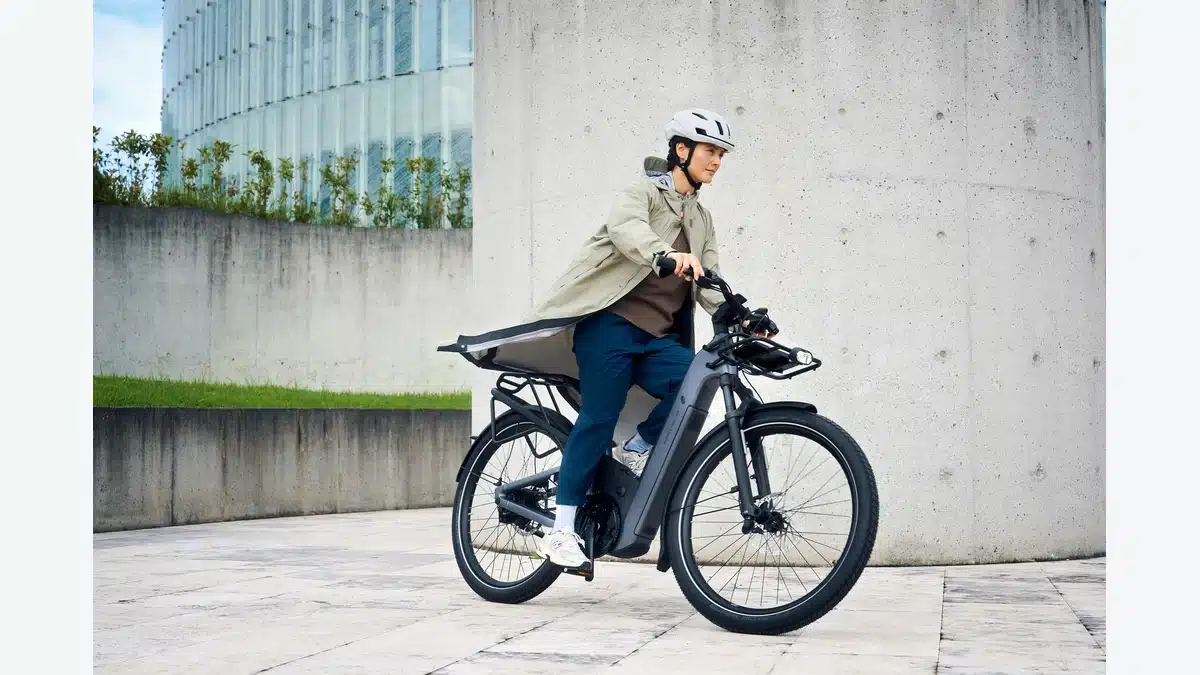
Företaget sade att befintliga amerikanska kunder skulle fortsätta få tillgång till reservdelar, service och garantistöd. Det löftet är nu den del av nyheten som är värd att följa. En marknadsutträde påverkar mer än tillgången på nya cyklar: återförsäljare behöver en tydlig väg för delar, diagnostik, garantianspråk och kundkommunikation, särskilt för premium-e-lastcyklar som förblir i daglig användning i åratal.
För konkurrerande varumärken är lärdomen inte bara att ett europeiskt premiumföretag lämnade USA. Det är att en tekniskt krävande marknad kräver en kanalmodell som kan bära lager, servicekapacitet och rörelsekapital genom volatila förhållanden. För distributörer är möjligheten att förtjäna förtroende genom kontinuitet snarare än kortsiktiga ersättningserbjudanden.
Utträdet gör också servicedokumentation till en konkurrensfördel. Regen:s översikt av e-cykelcertifieringar är en användbar utgångspunkt för att skilja produktgodkännandebevis från de löpande del- och servicesystem som håller en cykel stödbar efter försäljning.
Varför det spelar roll
Den omedelbara kommersiella effekten är regional, men den strategiska signalen är bredare: premium-e-cykelmärken behöver en trovärdig efterförsäljningsplan på varje marknad de går in på. Utträdesdatum är enkla; att hålla kunder cyklande efter utträdet är det svårare testet.
Queenslands regeländring den 31 augusti gör produktklassificering mer brådskande
Queenslands officiella e-cykelvägledning säger att nya ålders- och licensregler börjar den 31 augusti 2026. Samma sida anger att lagliga offentliga e-cyklar måste ha en kontinuerlig märkeffektgräns på 250 W, pedalassistans som kopplas ur vid 25 km/h och en EN 15194-överensstämmelsemärkning; gasreglage är begränsat till en startassistans på 6 km/h.
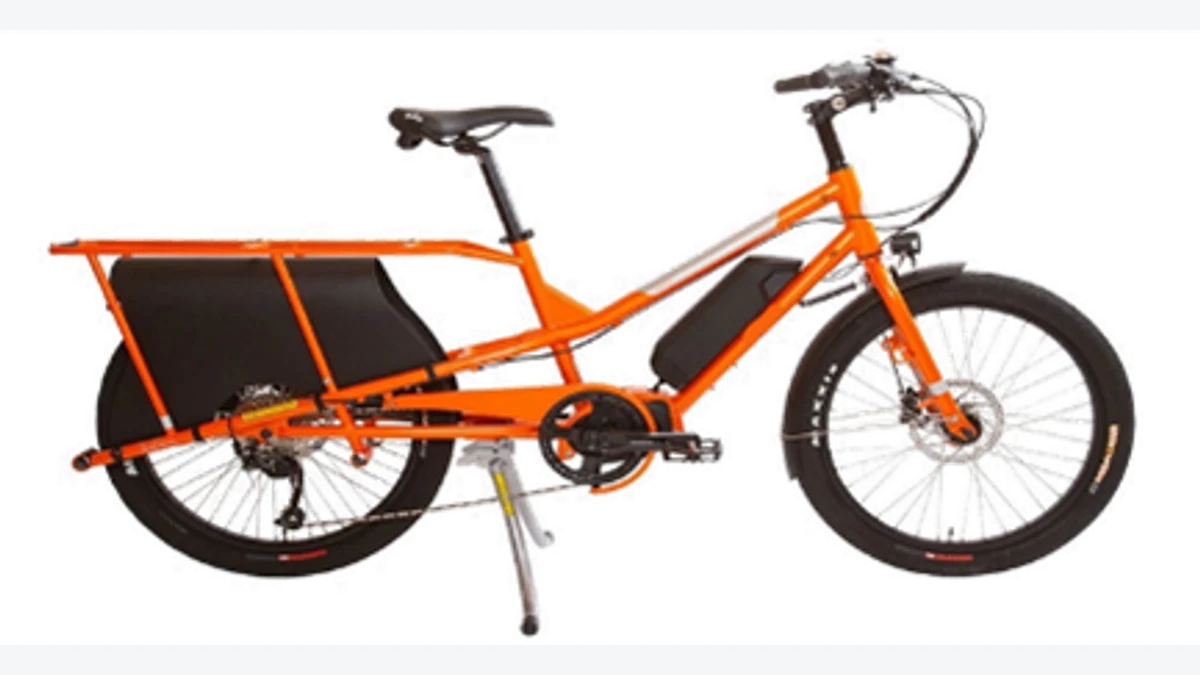
Delstaten har redan skärpt det omgivande ramverket. Dess E-Bike Assurance Scheme säger att, från och med den 1 juli, måste e-cyklar som används offentligt uppfylla EN 15194 eller verifieras genom systemet senast den 28 februari 2027. Queensland varnar också för att modifierade högeffekts-e-cyklar kan vara olagliga även om programvara begränsar deras effekt, och att föräldrar kan få påföljder där barn kör olagliga enheter.
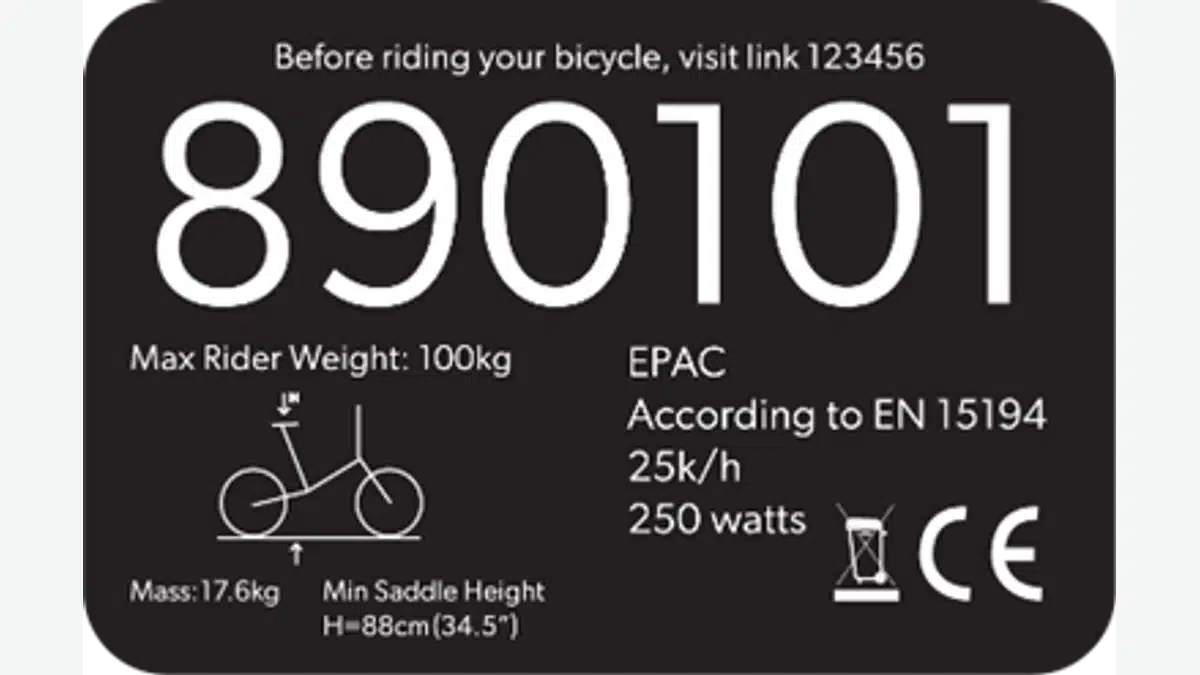
För produktteam är detta en fråga om specifikationshantering. En plattform designad för flera marknader kan behöva olika konfiguration, märkning och återförsäljarvägledning för att förbli laglig i Queensland. En “programvarubegränsad” produkt bör inte antas vara överensstämmande utan att kontrollera den underliggande hårdvaran, den tillämpliga standarden och den lokala definitionen av en e-cykel. Det är särskilt relevant när en modell använder ett gasreglage, en motor med högre märkeffekt eller en borttagbar hastighetsbegränsning.
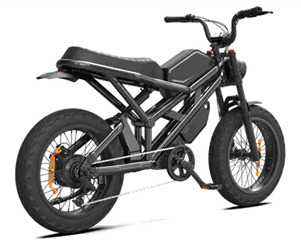
Queenslands tydliga användning av illustrerade exempel är hjälpsam för återförsäljare och flottoperatörer: det förvandlar en abstrakt teknisk standard till ett säljplatssamtal. Personal bör kunna förklara vad märkningen betyder, vilket driftläge som är tillåtet och varför en till synes liknande högeffektsenhet inte helt enkelt kan säljas som en cykel.
Varför det spelar roll
Den 31 augusti är tillräckligt nära för att distributörer bör kontrollera lager, modellsidor, märkningar och återförsäljarutbildning nu. Kostnaden för felaktig klassificering är inte bara en avvisad försäljning; det kan vara en kund utan stöd, tillsynsrisker och skada på den bredare e-cykelkategorin.
Vad dessa fem berättelser summerar till
Tidiga augusti mest användbara e-cykelnyheter handlar om bevis och kontinuitet.
- Shimano:s rapporterade prisändring är en påminnelse om att verifiera kostnadsantaganden innan nya beställningar släpps.
- Accells ägarprocess visar varför partners bör spåra verkliga godkännanden, inte spekulation.
- BMZ:s fabrikskonsolidering förvandlar batterispårbarhet och övergångskontroll till levande inköpsarbete.
- Riese & Müllers USA-utträde gör delar- och garantikontinuitet till det viktigaste måttet på kanaltrovärdighet.
- Queenslands regler visar att en överensstämmande e-cykel definieras av den fullständiga konfigurationen, inte enbart av marknadsföringsspråk.
Det finns ingen enskild åtgärd som passar varje läsare. Det finns en gemensam operativ vana: koppla varje extern rubrik till en produkt, leverantör, territorium eller efterförsäljningsprocess som någon i teamet faktiskt äger.
Vanliga frågor
Har Shimano officiellt meddelat en 1% e-cykelprishöjning?
Den ungefärliga ökningen på 1% i augusti rapporterades av Cycling Retailer and Industry News den 28 juli. Shimano:s egen investerarkalender bekräftar att företaget tillkännagav sina andra kvartalets resultat samma datum. Köpare bör verifiera de berörda produkterna och ikraftträdandedatumen direkt med sin Shimano-kanalkontakt.
Betyder Accell-beslutet att dess varumärken kommer att ändras omedelbart?
Nej. Den polska myndighetens notering bekräftar en avslutad kontrolltransaktion i den jurisdiktionen. Den tillkännager inte omedelbara ändringar av Accells varumärkessortiment, återförsäljare, fabriker eller garantier.
Vad gör en e-cykel laglig i Queensland från och med den 31 augusti 2026?
Queenslands officiella vägledning anger de tekniska kraven och de nya ålders- och licensreglerna. Lagliga offentliga e-cyklar måste uppfylla den tillämpliga definitionen, inklusive den kontinuerliga märkeffektsgränsen på 250 W, avstängningen för pedalassistans vid 25 km/h och EN 15194-märkning. Kontrollera delstatens vägledning för de fullständiga reglerna och eventuell tidsfrist för försäkringsprogrammet.
Referenser
- Shimano varnar för 1%-prishöjningar i augusti - Cycling Retailer and Industry News, 28 juli 2026.
- Shimano:s IR-kalender — Shimano, hämtad augusti 2026.
- Tri Star E-Moving Pte Ltd. / Accell Group Holding B.V. — Konkurrens- och konsumentskyddsverket (Polen), juli 2026.
- BMZ stänger produktionsanläggningen i Nordmakedonien och konsoliderar europeisk tillverkning — BMZ, 17 juli 2026.
- Riese & Müller stärker sina europeiska kärnmarknader – tillbakadragande från USA — Riese & Müller, 20 april 2026.
- Regler för elcyklar — Queenslands regering, hämtad augusti 2026.
- Försäkringsprogram för e-cyklar — Queenslands regering, hämtad augusti 2026.