
 KO
KO  EN
EN  DE
DE  NL
NL  IT
IT  FR
FR  ES
ES  PT
PT  DA
DA  SV
SV  FI
FI  CS
CS  EL
EL  HU
HU  ET
ET  BG
BG  PL
PL  JA
JA 이 글은 제휴 링크를 포함하고 있습니다. 당사 링크를 통해 구매하시면 추가 비용 없이 수수료를 받을 수 있습니다. 당사 추천은 제휴 관계와 무관합니다.
마지막 업데이트: 2026년 6월
가격은 2026년 6월 기준입니다. 아래의 주행 거리 수치는 별도 표기가 없는 한 제조사 주장이며, 실제 주행 거리는 라이더 체중, 지형, 어시스트 레벨, 타이어 공기압, 바람, 화물, 온도에 따라 달라집니다.
포장도로, 파손된 도로, 자갈길, 그리고 간간이 헐거운 지형까지 느릿한 신기한 물건이 되지 않고 감당할 수 있는 자전거 하나를 원한다면, 합리적인 무게, 최소 80Nm의 토크, 유압 브레이크, 그리고 접지력을 위해 공기압을 뺄 수 있는 타이어를 갖춘 팻 타이어 전기자전거를 구매하세요. 많은 구매자들이 이 카테고리에서 실수하는데, 그것은 자신의 지형, 보관 공간, 주행 속도에 실제로 맞는 자전거 대신 가장 커 보이는 자전거를 사기 때문입니다. 해결책은 모래와 눈을 위한 진정한 연질 표면 부양이 필요한지, 아니면 일반 통근용 전기자전거가 제공할 수 있는 것보다 더 나은 편안함과 안정성만 필요한지를 먼저 결정하는 것입니다.
2026년 최고의 팻 타이어 전기자전거가 중요한 이유
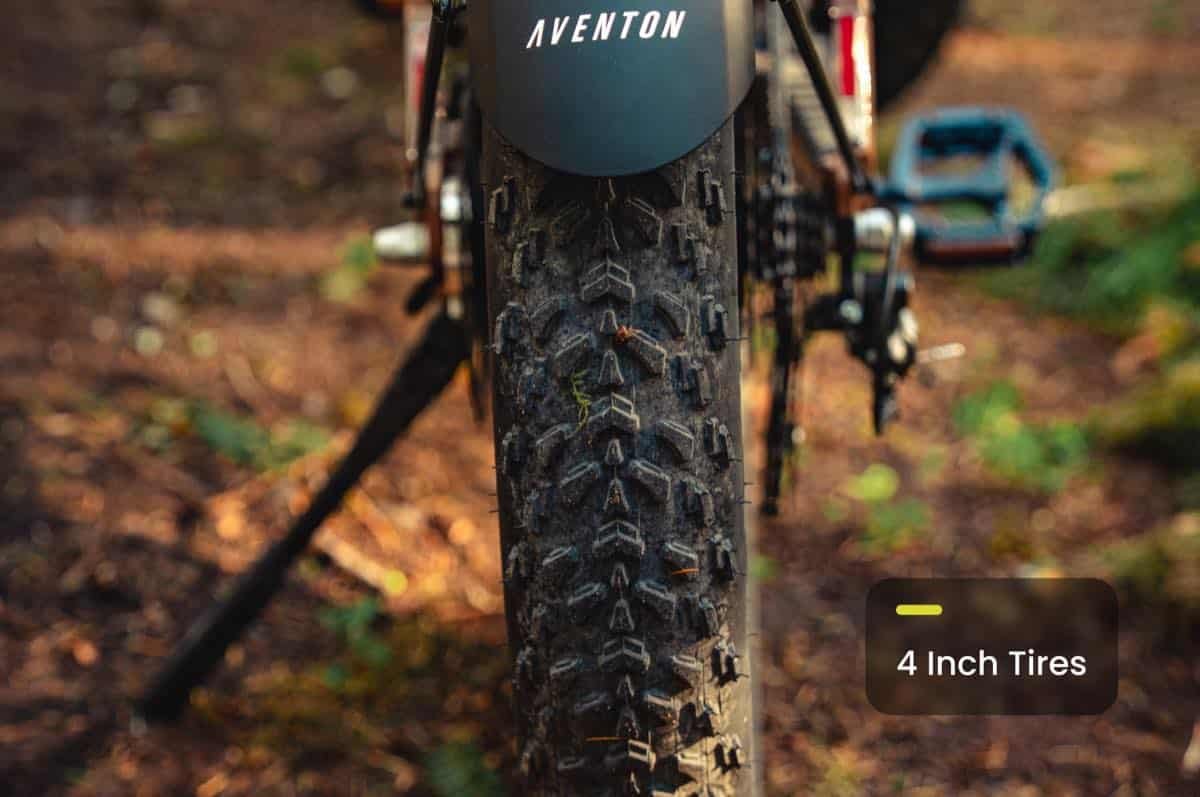
팻 타이어 전기자전거는 단지 더 큰 고무를 장착한 일반 전기자전거가 아닙니다. 진정한 4인치 타이어 전기자전거는 자갈길, 포트홀이 많은 거리, 눈 덮인 갓길, 캠핑장 오솔길, 해변 진입로, 또는 일반 통근용 자전거가 불안하게 느껴지기 시작하는 혼합 노면을 달릴 때 중요한 방식으로 접지력, 주행감, 자신감을 바꿉니다.
이것이 이 카테고리가 중요한 핵심 이유입니다. 더 넓은 타이어는 더 큰 접지 면적을 만들어 그립을 향상시키고 잔진동을 부드럽게 합니다. 거친 포장도로에서는 손과 허리의 피로가 줄어든다는 뜻입니다. 헐거운 지형에서는 자전거가 덜렁거리거나 즉시 미끄러져 나갈 가능성이 줄어든다는 뜻입니다. 체중이 더 나가는 라이더나 장비를 실은 라이더에게는 추가 타이어 부피가 부하 상태에서 자전거를 더 안정적으로 유지하는 데도 도움이 됩니다.
트레이드오프도 똑같이 중요합니다. 팻 타이어 전기자전거는 보통 더 무겁고, 매끄러운 포장도로에서 효율이 떨어지며, 더 얇은 타이어의 통근용 자전거보다 느리게 느껴집니다. 그래서 지형이나 편안함에 대한 필요가 추가 구름 저항을 정당화할 때만 구매하는 것이 합리적입니다.
2026년 최고의 팻 타이어 전기자전거를 고르는 방법
2026년 최고의 팻 타이어 전기자전거를 고르는 올바른 방법은 어느 것이 가장 큰 모터를 가졌는지 묻는 것이 아닙니다. 접지력, 편안함, 제어가 동시에 중요할 때 자전거 전체가 어떻게 작동하는지를 묻는 것입니다.
자갈, 모래, 눈에서의 접지력
이것이 진정한 4인치 타이어가 여전히 제 가치를 하는 지점입니다. 자갈에서는 예측 가능한 직진성과 편향을 줄일 만큼 충분한 케이싱 부피를 원합니다. 모래와 눈에서는 파고들지 않고 타이어 공기압을 낮춰 부양을 높일 수 있는 능력이 필요합니다. 3인치 구성도 단단한 노면과 혼용 경로에서 여전히 매우 잘 작동할 수 있지만, 완전한 4인치 타이어 전기자전거와 같은 연질 표면 완충을 제공하지는 않습니다.
편안함과 안정성
좋은 전지형 전기자전거는 모호하지 않고 안정감 있게 느껴져야 합니다. 그것은 프레임 지오메트리, 타이어 부피, 서스펜션 선택, 그리고 전체 시스템 무게를 함께 살펴보는 것을 의미합니다. 서류상으로는 공격적으로 보이는 자전거도 저속에서 움직이기에 너무 무겁거나 콕핏이 일상적 사용에 비해 라이더를 너무 앞으로 밀어내면 여전히 어색하게 느껴질 수 있습니다.
토크와 저속 제어
헐거운 지형은 약한 출발을 벌합니다. 강한 토크는 자전거가 오르막을 오르거나, 모래 구간을 통과하거나, 느린 기술 구간 이후에 움직이기 시작하는 데 도움이 됩니다. 하지만 실제로 쓸 수 있는 토크가 헤드라인 와트수보다 더 중요합니다. 예를 들어, 부드러운 80Nm에서 105Nm 구성이 정밀하게 계량하기 어려운 원시 출력 수치보다 종종 더 가치 있습니다.
실제 구매 논리
팻 타이어 전기자전거는 사람들이 실제로 타는 방식에 맞아야 합니다:
- 동네 도로와 거친 갓길
- 공원 경로와 임도
- 군데군데 눈이 있는 겨울 통근
- 캠핑장, 목장, 또는 사유지 주행
- 모래와 파손된 포장도로가 뒤섞이는 해변 인근 크루징
그래서 아래의 선정들은 가장 극단적으로 보이는 기계에 상을 주는 대신 타이어 크기, 토크, 가격, 일상적 유용성의 균형을 맞춥니다.
2026년 최고의 팻 타이어 전기자전거 비교
| 모델 | 타이어 폭 | 모터 W | 토크 Nm | 범위 | 가격 |
|---|---|---|---|---|---|
| 아벤톤 어드벤처 3 | 4인치 | 750W 리어 허브 | 80Nm | 최대 65마일 | $1,799부터 |
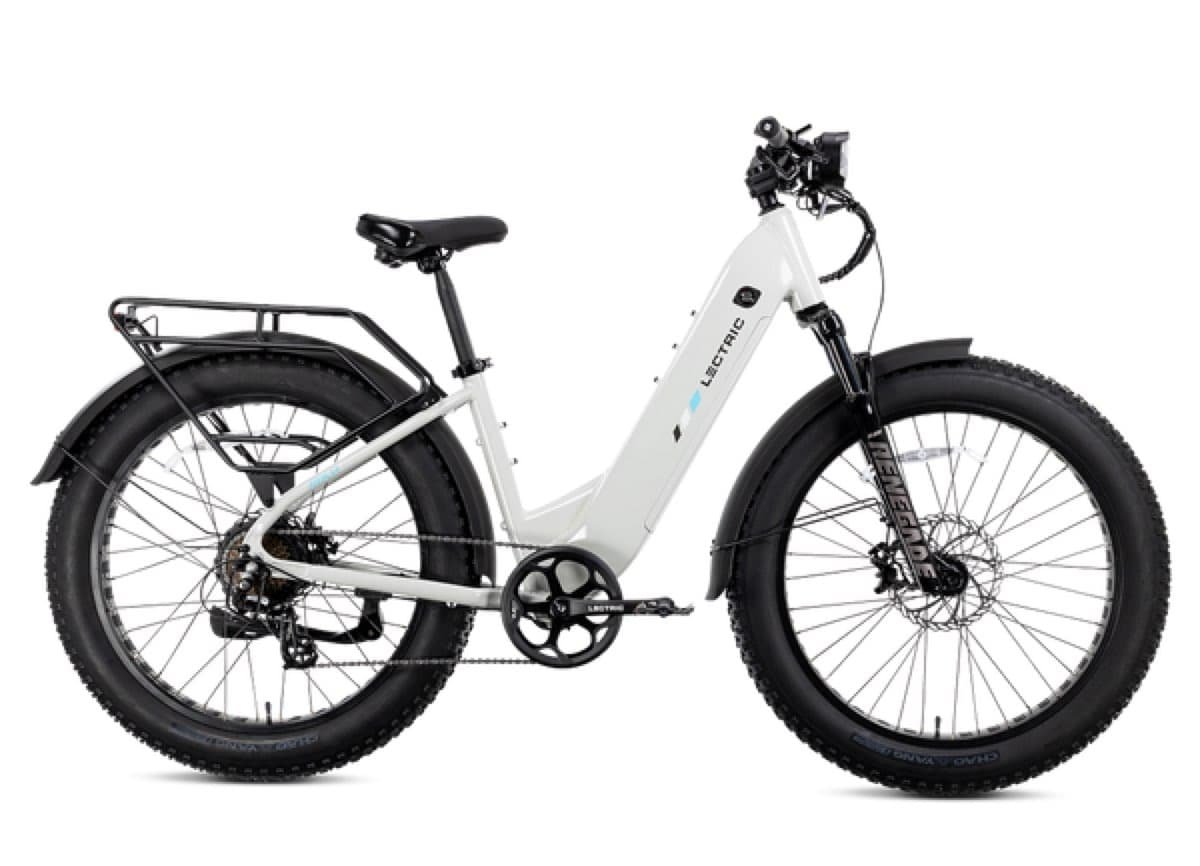
| 렉트릭 엑스피크 2.0 | 4인치 | 750W 리어 허브 | 미공개 | 최대 60마일 | $1,399부터 |
| 헤이바이크 알파 | 4인치 | 500W 미드드라이브 | 105Nm | 최대 60마일 | $1,299부터 |
| 래드 파워 래드스터 트레일 | 3인치 | 750W 리어 허브 | 100Nm | 65+ 마일 | $1,999부터 |
| 벨로트릭 노마드 2X | 4인치 | 750W 리어 허브 | 105Nm | 최대 75마일 | $2,399부터 |
용도별 최고의 팻 타이어 전기자전거 선정
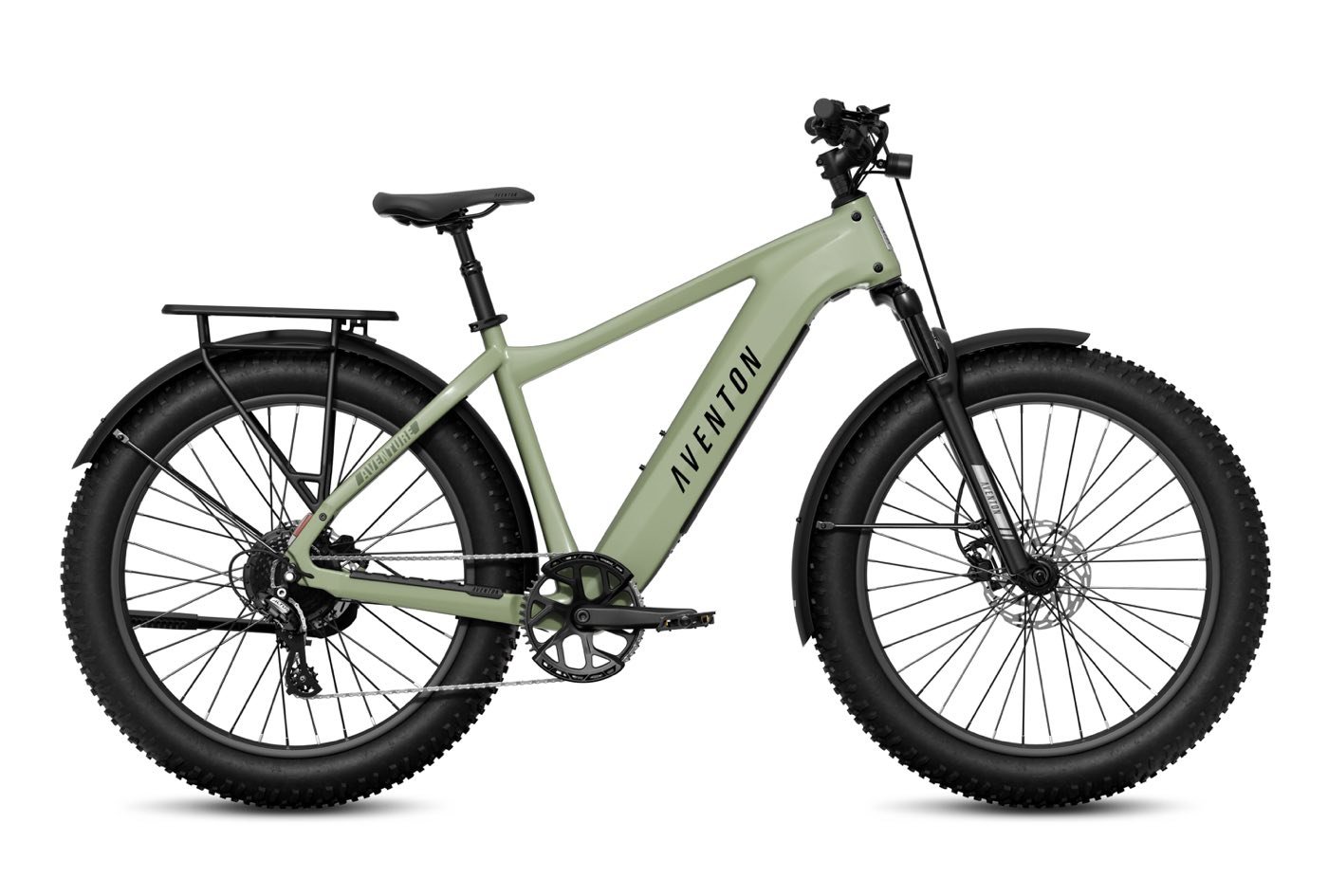
아벤톤 어드벤처 3
Aventon Aventure 3는 이 카테고리의 핵심 결정을 올바르게 했기 때문에 최고의 종합 선택입니다: 과하게 만든 과잉으로 흐르지 않으면서 충분한 타이어, 충분한 토크, 충분한 일상적 실용성.
4인치 타이어는 그것을 약간 더 넓은 통근용 자전거가 아닌 진정한 팻 타이어 전기자전거로 만듭니다. 공개된 80Nm 토크 수치는 헐거운 오르막, 맞바람, 기복 있는 혼합 지형에 충분히 강력하며, 통합된 통근 기능은 주말 장난감이 아닌 실제 교통용 자전거로 정당화하기 쉽게 만듭니다. 이는 상업적으로 중요합니다. 대부분의 구매자가 심부름, 철도 자전거길 주행, 캠핑장 순환, 거친 도심 포장도로 등 여러 용도로 자전거 하나를 사용하기 때문입니다.
이것은 또한 독자들이 팻 타이어 전기 자전거가 실제로 무엇을 위한 것인지 묻는 질문에 대한 최고의 답변입니다. 이는 표준 도시 자전거가 제공할 수 있는 것보다 더 많은 편안함과 견인력을 필요로 하지만, 포장도로에서 여전히 정상적으로 느껴지는 자전거를 원하는 사람들을 위한 것입니다. 만약 하나의 올터레인 전기 자전거만 소유한다면, 이것이 가장 합리적인 프로필입니다.
누구를 위한 것인가: 가끔 눈이나 해변에서의 색다른 라이딩이 아니라, 일상적인 혼합 사용을 위한 진정한 4인치 타이어 자전거를 원하는 라이더.
렉트릭 엑스피크 2.0
XPeak 2.0은 예산 추천인데, 이는 구매자들에게 이 카테고리가 보통 신뢰할 만해지기 시작하는 가격 이하로 진정한 팻 타이어 플랫폼을 제공하기 때문입니다.
이는 중요한데, $1,500 미만 등급은 많은 팻 타이어 전기 자전거가 스펙 시트 함정이 되는 곳이기 때문입니다. 그것들은 공격적으로 보일 수 있지만, 나머지 패키지는 종종 타협됩니다. Lectric의 가치는 자전거가 단순한 시각적 부피보다 실용적인 올터레인 사용을 여전히 목표로 한다는 것입니다. 750W 모터는 자갈 연결도로, 캠프장 라이딩, 거친 포장도로에 충분한 힘을 주며, 브랜드의 가격 책정은 첫 구매자들에게 관련성을 유지시켜 줍니다.
주의할 점은 예산 구매자들이 기대치를 관리해야 한다는 것입니다. 이 가격에서는 능력 있고 다재다능한 기계를 기대해야 하지, 더 강한 토크 공개, 더 나은 통합, 또는 더 정교한 서스펜션 튜닝을 갖춘 고급 설정의 세련됨이나 연약한 표면에서의 자신감을 기대해서는 안 됩니다. 하지만 실제 라이딩이 대부분 포장도로, 단단한 흙길, 그리고 가끔의 비포장 진입로라면, 이것은 합리적인 구매입니다.
누구를 위한 것인가: 프리미엄 가격으로 넘어가지 않고 팻 타이어 편안함과 유용성을 원하는 구매자.
헤이바이크 알파
Heybike Alpha는 목록에서 가장 흥미로운 가성비 선택인데, 이는 "더 큰 허브 모터, 더 무거운 프레임, 그리고 잘 되기를 바라기"라는 일반적인 예산 팻바이크 공식을 따르지 않고 미드드라이브 모터를 사용하기 때문입니다."
105Nm 토크 수치는 헤드라인이지만, 그것이 중요한 진짜 이유는 적용 논리입니다. 미드드라이브 어시스트는 자전거의 기어링을 통해 작동하기 때문에 저속과 오르막에서 더 효과적으로 느껴지는 경향이 있습니다. 거친 지형이나 느린 오프로드 구간에서, 이는 비슷한 스티커 가격의 더 저렴한 허브 모터 자전거보다 자전거를 더 반응적으로 느끼게 할 수 있습니다.
이것이 자동으로 모든 사람에게 최고의 선택은 아닙니다. 미드드라이브 시스템은 장기적으로 더 많은 기계적 관리가 필요할 수 있으며, 일부 구매자는 단순히 허브 드라이브 팻바이크의 더 단순한 소유감을 원합니다. 하지만 언덕을 타거나, 더 나은 등판 레버리지를 원하거나, 느슨한 표면에서 출발할 때 견인력을 중요시한다면, Alpha는 매우 공격적인 가격에 진지한 논거를 제공합니다.
누구를 위한 것인가: 프리미엄 미드드라이브 비용을 지불하지 않고 언덕 등판 효율과 더 강한 기술적 지형 반응을 원하는 라이더.
래드 파워 래드스터 트레일
Radster Trail은 팻 타이어 전기 자전거의 아이디어를 좋아하지만 실제로 가장 느리고 가장 떠다니는 4인치 경험을 필요로 하지 않는 라이더에게 최고의 옵션입니다.
3인치 타이어 설정이 그 증거입니다. 이것은 전통적인 완전 팻 눈과 모래 기계보다 넓은 타이어 올터레인 전기 자전거로 더 잘 설명됩니다. 이는 많은 라이더에게 약점이 아니라 강점입니다. 더 좁은 케이싱은 포장도로에서 더 빠르게 굴러가고, 일상적인 조향에서 더 정밀하게 느껴지며, 자갈, 숲길, 파손된 도시 표면에서 여전히 의미 있는 편안함과 제어를 제공합니다. 공개된 100Nm 토크 수치와 결합하면, 지형이 대부분 포장도로 더하기 나쁜 포장도로 더하기 가끔의 흙인 사람들에게 강력한 "혼합 현실" 자전거가 됩니다.
목표가 해변 라이딩이나 반복적인 눈 사용이라면, 대신 4인치 모델을 구매하세요. 하지만 목표가 표준 통근자보다 더 거칠게 보이고 타면서도 더 효율적인 올라운더라면, Radster Trail은 진정으로 합리적입니다.
누구를 위한 것인가: 고전적인 4인치 팻바이크의 완전한 저항 패널티 없이 거친 표면에서의 자신감을 원하는 통근자와 유틸리티 라이더.
벨로트릭 노마드 2X
Nomad 2X는 도로 편안함을 완전히 포기하지 않으면서 카테고리를 더 중량급 트레일 및 부지 사용으로 밀어붙이기 때문에 업그레이드 선택입니다.
105Nm 토크 출력, 4인치 타이어, 그리고 더 긴 주장 범위는 가파른 사유 도로, 더 깊은 자갈, 목장이나 농장 사용, 또는 평균적인 캐주얼 구매자보다 더 규칙적인 비포장 마일을 기대하는 라이더들에게 진정한 실체를 제공합니다. 이것은 지형이 가끔의 불편함이 아니라 소유의 지속적인 부분일 때 합리적인 종류의 자전거입니다.
비용은 명백합니다: 가격과 무게. 그것이 자동으로 1순위 선택이 아닌 이유입니다. 많은 구매자들이 이만큼의 자전거를 필요로 하지 않으며, 필요 이상으로 더 많은 기계를 구매하는 것은 종종 더 낮은 효율과 차고, 자전거 랙, 또는 아파트 보관에서 다루기 힘들게 느껴지는 자전거를 의미합니다. 하지만 정기적으로 포장도로 너머를 탈 것이라는 것을 안다면, Nomad 2X는 여기서 가장 강력한 "한 번 구매, 강하게 사용" 추천입니다.
누구를 위한 것인가: 주말 호기심이 아니라 정기적인 비포장 사용을 위한 진정한 4인치 견인력과 높은 토크를 필요로 하는 라이더.
팻 타이어 전기 자전거 대 일반 전기 자전거
라이딩이 80% 포장도로, 자전거 도로, 도시 심부름이라면, 일반 통근 전기 자전거가 보통 더 현명한 구매입니다. 그것은 더 가볍고, 더 빠르게 느껴지며, 모터 없이 페달링하기 더 쉽고, 종종 같은 부품 품질에 더 저렴합니다.
팻 타이어 전기 자전거를 선택하세요 만약:
- 지역 도로가 편안함이 구매 우선순위일 만큼 충분히 거칠다면
- 자갈, 흙, 눈, 모래, 또는 관리되지 않는 갓길을 자주 탄다면
- 화물이나 체중 아래에서 추가적인 자신감을 원한다면
- 효율보다 안정성을 더 중요시한다면
일반 전기 자전거를 선택하세요 만약:
- 대부분의 마일이 매끄러운 포장도로에 있다면
- 더 쉬운 보관이나 운송이 필요하다면
- 와트당 범위가 연약한 표면 그립보다 더 중요하다면
- 더 날카로운 핸들링과 더 낮은 총 자전거 무게를 원한다면
이것이 구매자들을 위한 진정한 실행 논리입니다. 한 번의 긴 주말에 대한 환상적인 라이딩이 아니라, 평범한 한 달 동안의 실제 지형을 매핑하는 것으로 시작하세요. 일상적인 표면이 타이어 너비를 정당화하지 않는다면, 일반 통근 또는 어드벤처 스타일 전기 자전거가 더 나은 도구입니다. 그렇다면, 팻 타이어 전기 자전거는 수년간 자전거를 더 사용 가능하고, 더 편안하며, 더 자신감을 키워줄 수 있습니다.
최고의 팻 타이어 전기 자전거가 실제 라이더에게 의미하는 것
이 카테고리의 사용자 영향은 명확합니다: 올바른 팻 타이어 전기자전거는 라이딩할 수 있는 장소와 시기를 넓혀줍니다. 이는 불편한 겨울 통근을 현실적인 통근으로 바꾸거나, 파손된 시골 도로에서 짧은 자동차 이동을 대체하거나, 전용 ATV 스타일 장비를 구매하지 않고도 캠핑장과 트레일 접근을 더 간편하게 만드는 것을 의미할 수 있습니다.
실용적인 구매자에게 가장 큰 이점은 다음과 같습니다:
- 거친 포장도로와 요철이 심한 자갈길에서 더 편안함
- 헐거운 노면에서 낮은 타이어 공기압으로 더 나은 접지력
- 체격이 큰 라이더나 적재 사용 시 더 큰 자신감
- 도로 품질이 좋지 않은 곳에서 연중 사용성 향상
단점도 똑같이 현실적입니다:
- 보관하고 이동하기에 더 큰 자전거
- 매끄러운 도로에서 더 큰 구름 저항
- 얇은 타이어 통근용 자전거 대비 낮은 효율
- 가끔 사용하는 용도로 과잉 구매하려는 유혹
이것이 2026년 최고의 팻 타이어 전기자전거가 "가장 극단적인" 자전거가 아닌 이유입니다. 그것은 페널티를 정당화할 만큼 자주 당신의 지형과 일치하는 자전거입니다. 비즈니스 용어로 말하자면, 이는 모든 내구재 구매에서 중요한 것과 같은 논리입니다: 드문 예외가 아니라 주요 사용 사례를 위해 구매하세요.
넓은 타이어가 올바른 선택인지 아직 결정 중이라면, 흙과 모래로 인해 구동계 유지보수가 어떻게 변하는지 주의 깊게 살펴보세요. 우리의 가이드 화물 자전거 체인 및 구동계 관리 는 거친 노면 라이딩이 마모를 증가시키는 이유를 설명하는 데 도움이 됩니다. 추운 조건에서 배터리 성능을 고려하는 라이더는 또한 읽어야 합니다 전자 화물 자전거 배터리 성능 저하의 8가지 징후. 겨울 사용이 구매 결정의 일부라면, 전기 화물 자전거를 겨울 동안 보관하는 방법 는 많은 첫 구매자가 놓치는 보관 및 배터리 취급 기본 사항을 설명합니다.
자주 묻는 질문
Q1: 팻 타이어 전기자전거란 무엇이며 누구에게 필요한가요?
I notice you've provided only "1. A:" without the actual English text to translate. Could you please provide the full English content you'd like me to translate into Korean? 팻 타이어 전기자전거는 일반적으로 약 4인치의 비정상적으로 넓은 타이어를 사용하여 거칠거나 헐거운 노면에서 접지력, 편안함, 안정성을 향상시킵니다. 가장 혜택을 받는 라이더는 자갈길, 눈, 모래, 파손된 포장도로, 캠핑장 또는 일반 통근용 전기자전거가 거칠거나 불안정하게 느껴지는 유틸리티 부지 경로를 이용하는 사람들입니다.
Q2: Is a 4-inch tire ebike always better than a 3-inch all terrain electric bike?
I notice you've provided only "1. A:" without the actual English text to translate. Could you please provide the full English content you'd like me to translate into Korean? No. A 4-inch tire is better for float and comfort on softer terrain, but a 3-inch setup usually rolls faster and feels more precise on pavement. If your riding is mostly urban with occasional gravel, the lighter-rolling option may be smarter.
Q3: Do fat tire ebikes have less range?
I notice you've provided only "1. A:" without the actual English text to translate. Could you please provide the full English content you'd like me to translate into Korean? Usually yes, all else equal. Wider tires add rolling resistance and the bikes themselves are often heavier. That means claimed range can look similar on paper, but real-world efficiency is often lower than a slimmer-tire commuter bike ridden under the same conditions.
Q4: What matters more for hills, wattage or torque?
I notice you've provided only "1. A:" without the actual English text to translate. Could you please provide the full English content you'd like me to translate into Korean? Torque usually matters more in practice. Wattage tells you part of the power story, but torque tells you how strongly the bike can get moving and keep climbing at lower speed. For loose climbs or heavy riders, that matters a lot.
Q5: Can a fat tire ebike replace a regular commuter bike?
I notice you've provided only "1. A:" without the actual English text to translate. Could you please provide the full English content you'd like me to translate into Korean? It can, but only if you accept the tradeoffs. A fat tire ebike can commute very well on rough roads and poor weather surfaces, but it will usually feel heavier and less efficient than a purpose-built commuter ebike on smooth pavement.
출처
- Aventon official Aventure 3 product page for price, tire width, torque, and claimed range.
- Lectric official XPeak 2.0 product page for price, motor output, and claimed range.
- Heybike official Alpha product page for price, motor type, torque, tire width, and range.
- Rad Power official Radster Trail product page for price, torque, tire size, and claimed range.
- Velotric official Nomad 2X product page for price, torque, tire width, and claimed range.