
 FR
FR  EN
EN  DE
DE  NL
NL  IT
IT  ES
ES  PT
PT  DA
DA  SV
SV  FI
FI  CS
CS  EL
EL  HU
HU  ET
ET  BG
BG  PL
PL  JA
JA  KO
KO 
Shared micromobility in North America reached roughly 237 million trips in 2025 — a third consecutive record year. But growth slowed to about 5%, down from 31% the year before. For anyone weighing an electric cargo or utility range for the United States, the headline is less useful than the shape of the curve beneath it.
The figures come from the seventh annual Shared Micromobility State of the Industry Report, produced by NABSA with Toole Design and UC Berkeley’s Transportation Sustainability Research Center. They describe bike-share and scooter-share systems — a strong proxy for urban demand, but not a measure of the owned cargo and trike market, which moves through different channels.
The five lines that matter
- 237 million trips in 2025, up about 5% — after a 31% jump in 2024. The shared two-wheel and scooter market is maturing, not accelerating.
- Around two-thirds of trips are now on electric devices. Electric assist is the baseline, not a premium option.
- The average trip is about 1.5 miles — longer than 2024, yet completed in less time. Riders travel further on electric assist.
- The split held at roughly 62% bikes and 38% scooters. US riders keep choosing the bicycle form for utility.
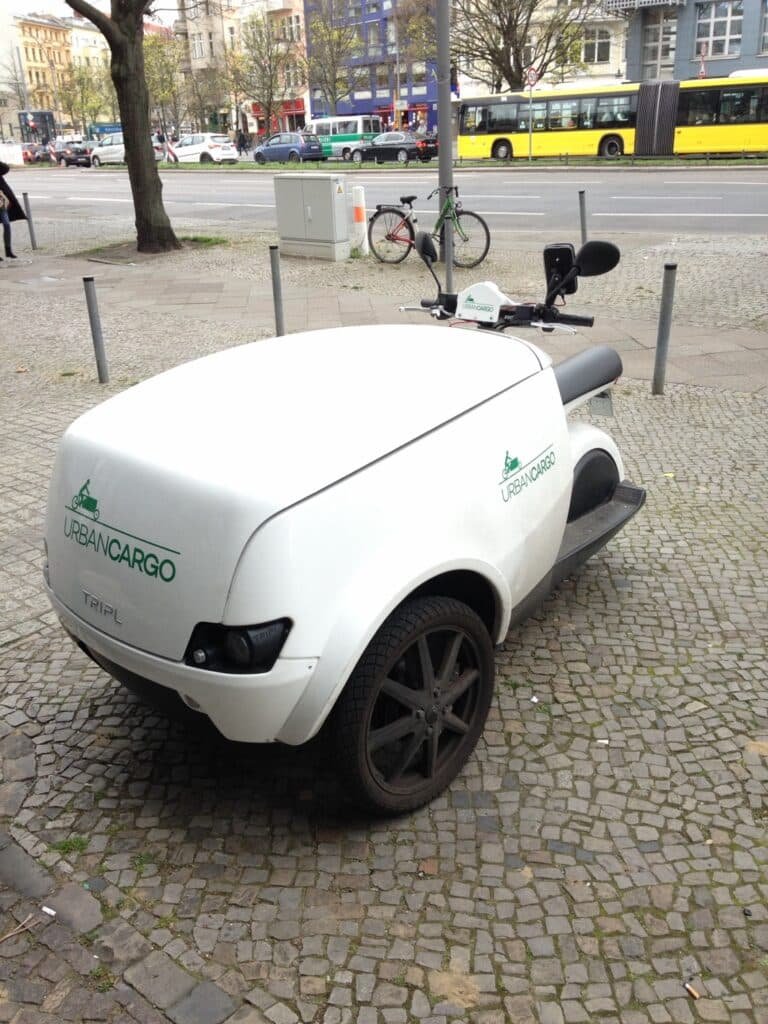
- Shared fleets barely touch three-wheel or cargo formats. That gap is served by owned, retail and fleet channels.
A flattening curve changes where the opportunity sits
The move from 31% growth to 5% is the most important line in the report. It marks the end of the land-grab phase for shared bikes and scooters in committed cities. The number of cities running a system actually fell by about 3% while trips rose — demand is consolidating into fewer, deeper markets rather than spreading to new ones.
For a buyer, consolidation reduces risk: durable US demand is concentrating where infrastructure and policy already support it, which makes retail and fleet investment more predictable. But it also means the next unit of growth will not come from adding more shared scooters. It comes from formats and jobs the shared fleets do not cover.
Electric assist is now the expectation
With roughly two in three shared trips on electric devices, and average distance rising while trip time falls, the data shows electrification doing a specific thing: extending the practical range of a short trip. Riders go further because the assist makes further feel close.
That trend runs directly through the utility case — carrying more, over a longer distance, without a car. It is the ground occupied by two-wheel cargo bikes and city e-bikes, and it is why an electric range now reads as a default rather than a bet.
US riders keep choosing the bicycle form
Despite wide scooter availability, the modal split has held near 62% bikes to 38% scooters for two years. For a manufacturer of bikes and trikes, this is the quiet but decisive line: once a trip is more than a quick hop, the bicycle wins.
Cargo bikes and trikes extend the bicycle’s advantages — stability, seated comfort, load capacity — rather than the scooter’s. The format riders already prefer is the one the utility segment builds on.


What the shared data doesn’t measure
Shared fleets do not carry a week’s groceries, run a boxed delivery round, do the school run, or serve a rider who needs stability and easy step-through access. Those jobs sit outside rental micromobility entirely — in owned vehicles, retail sales and managed fleets.
The absence of these use cases from the report is not a gap in demand. It is a map of where a different set of formats operates. Our two-wheel vs three-wheel fleet guide covers how that split works on the ground.
Reading the data into a range
Translated into an assortment, the 2025 signal splits cleanly by format and job:
| US job the data points to | Format |
|---|---|
| High-volume short urban trips | Vélo électrique urbain à deux roues |
| Carrying more, going further without a car | Two-wheel cargo (front-load / longtail) |
| Charge utile lourde ou stable, tournées avec arrêts-départs | Trike cargo à trois roues |
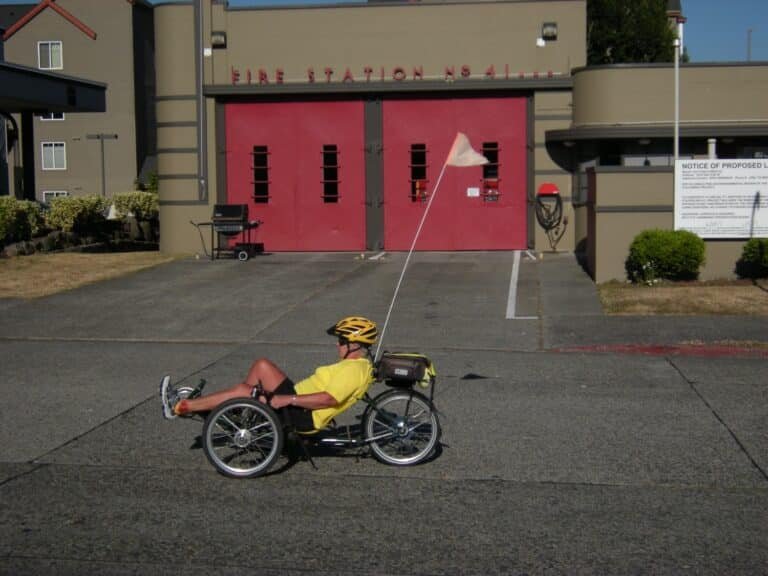
| Broader rider base needing stability and access | Trike semi-allongé |
The two-wheel jobs are validated at scale by the report; the three-wheel and utility jobs are the white space beside it. For the two-wheel side in detail, our guide long-john vs front-loader is a good starting point, and the guide des pneus de vélo cargo pour les opérateurs de flotte covers the maintenance reality once bikes are actually running.
Questions fréquentes
Does the NABSA data include cargo bikes or trikes?
Largely no. Shared fleets are almost entirely two-wheel bikes and standing scooters. Cargo and trike demand shows up in owned and fleet channels, which the report does not track.
Is the US micromobility market still growing?
Yes, but more slowly — about 5% in 2025 after 31% in 2024 — and it is concentrating into committed cities rather than spreading to new ones.
Two wheels or three for a US launch?
Two-wheel electric is proven at scale. Three-wheel serves stability, capacity and accessibility jobs the shared two-wheel fleets do not. We cover the split in detail in the fleet format guide.
Does the data say anything about what riders want to carry?
Indirectly, yes. Longer trips on electric assist, and the persistent preference for bicycles over scooters, both point toward utility: riders want to carry more and go further without a car. That is exactly what cargo bikes and trikes are built for.
Références
- NABSA — 2025 Shared Micromobility State of the Industry Report (release)
- Technologies gouvernementales — La micromobilité partagée établit de nouveaux records en Amérique du Nord
- United Mobility — What US Micromobility 2025 Record Tells Cargo & Utility Buyers